





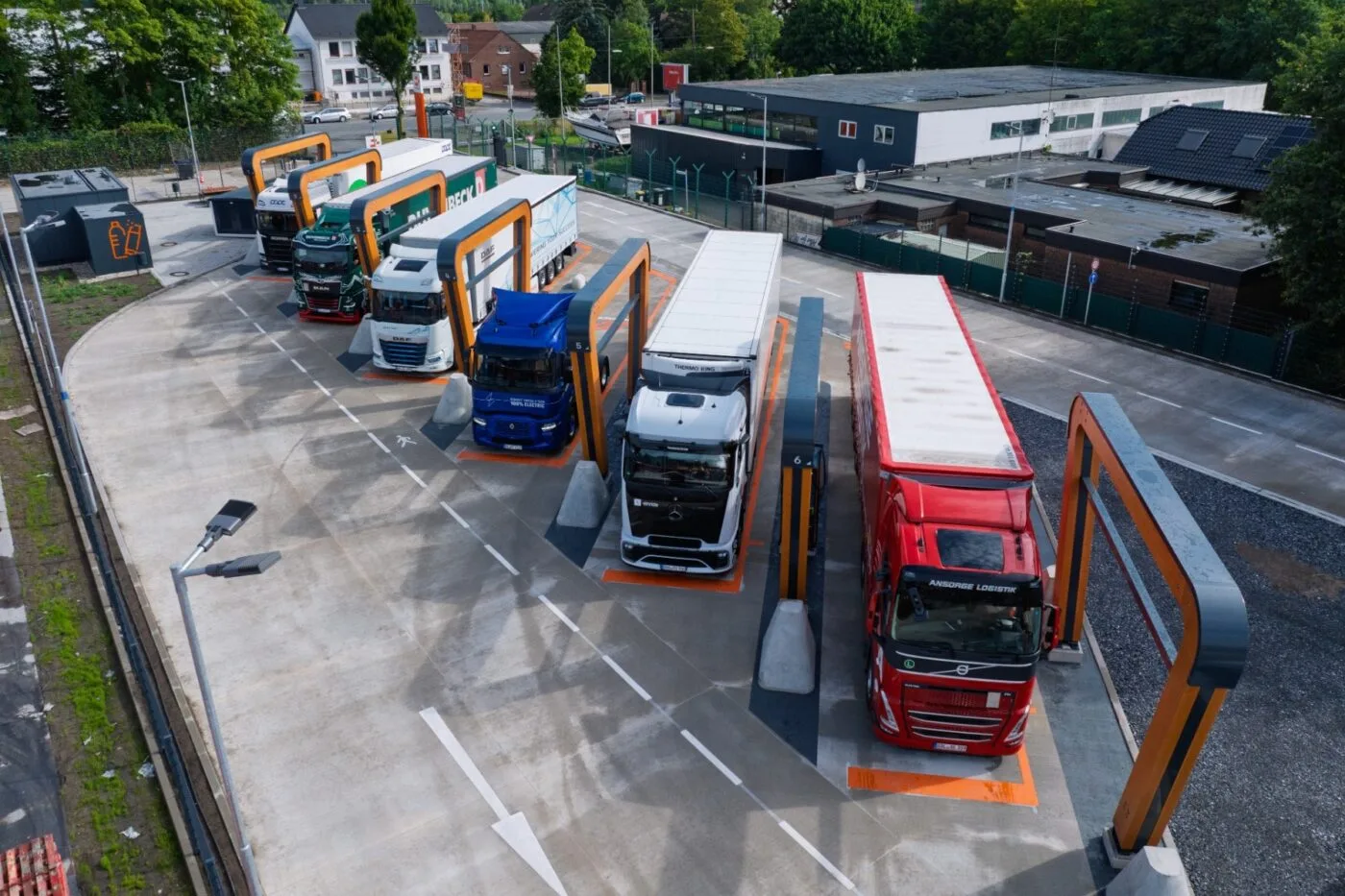
Europe will require between 4,000 and 5,300 public megawatt chargers for electric trucks by 2030, according to a new study by the International Council on Clean Transportation (ICCT). The research indicates that while megawatt charging will play a key role for long-haul freight, most charging needs can be met using existing high-power CCS infrastructure.
The ICCT expects the total charging capacity needed for Europe’s growing fleet of battery-electric trucks to reach between 22 and 28 gigawatts by 2030. Roughly 70% of that capacity will be concentrated in Germany, Poland, France, Spain and Italy — countries with the largest truck traffic volumes and busiest transit corridors.
See also: Study Reveals Fewer Charging Stations Needed for Europe’s Electric Trucks

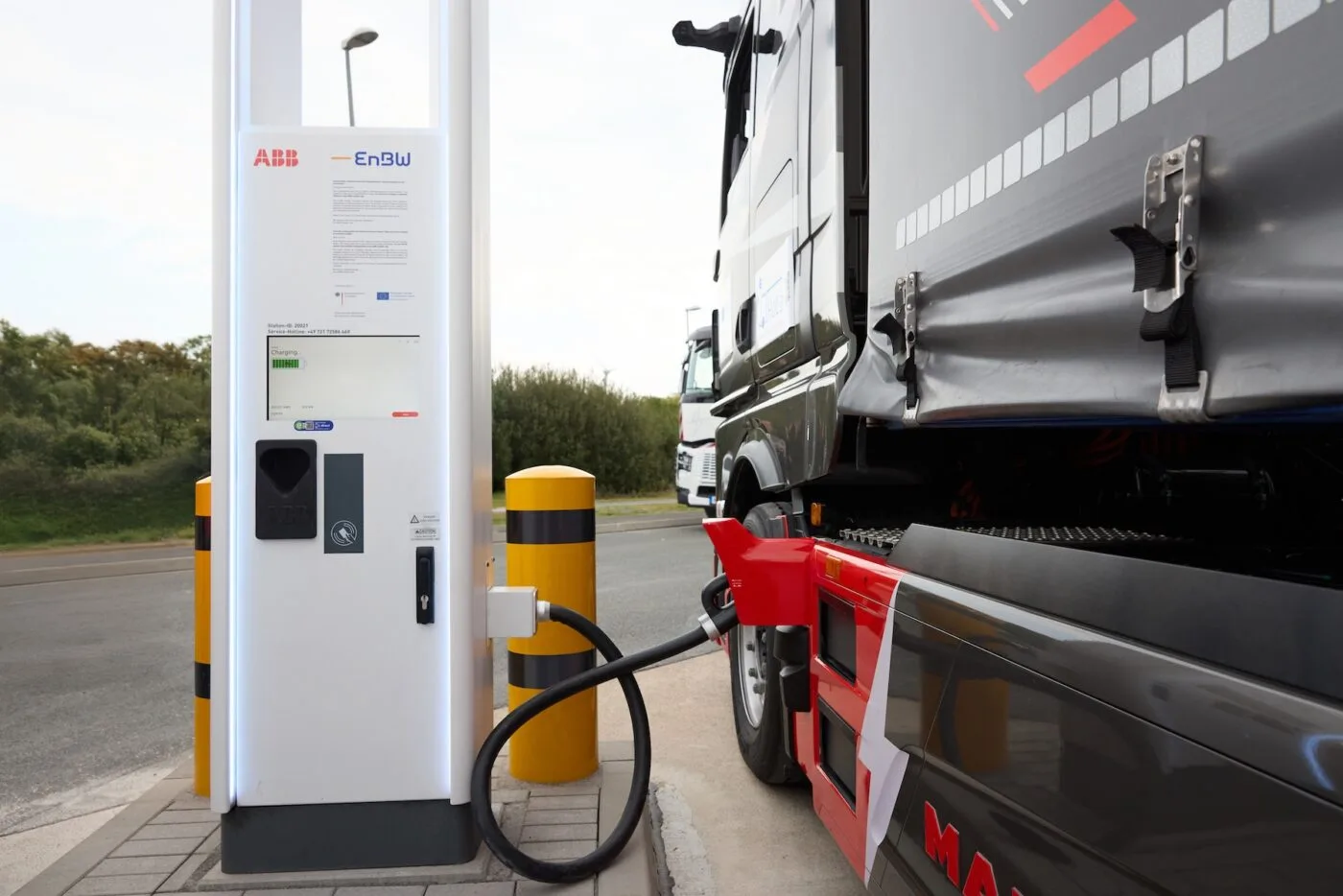
“MW chargers are expected to comprise almost 15% of the total installed charging power needs, but only 2% of the total number of chargers,” the ICCT report stated. “Lower-power chargers, such as 350 kW chargers, can cover more than half the public fast charging needs for long-haul trucks.”
According to the analysis, around half of all truck charging capacity will be installed at private depots for overnight charging, which typically require lower power levels. The ICCT projects between 150,000 and 175,000 private truck charging points, alongside 60,000 to 80,000 publicly accessible ones across the EU by the end of the decade.
See also: EU Parliament Backs Extension of Toll Exemption for Zero-Emission Trucks Until 2031

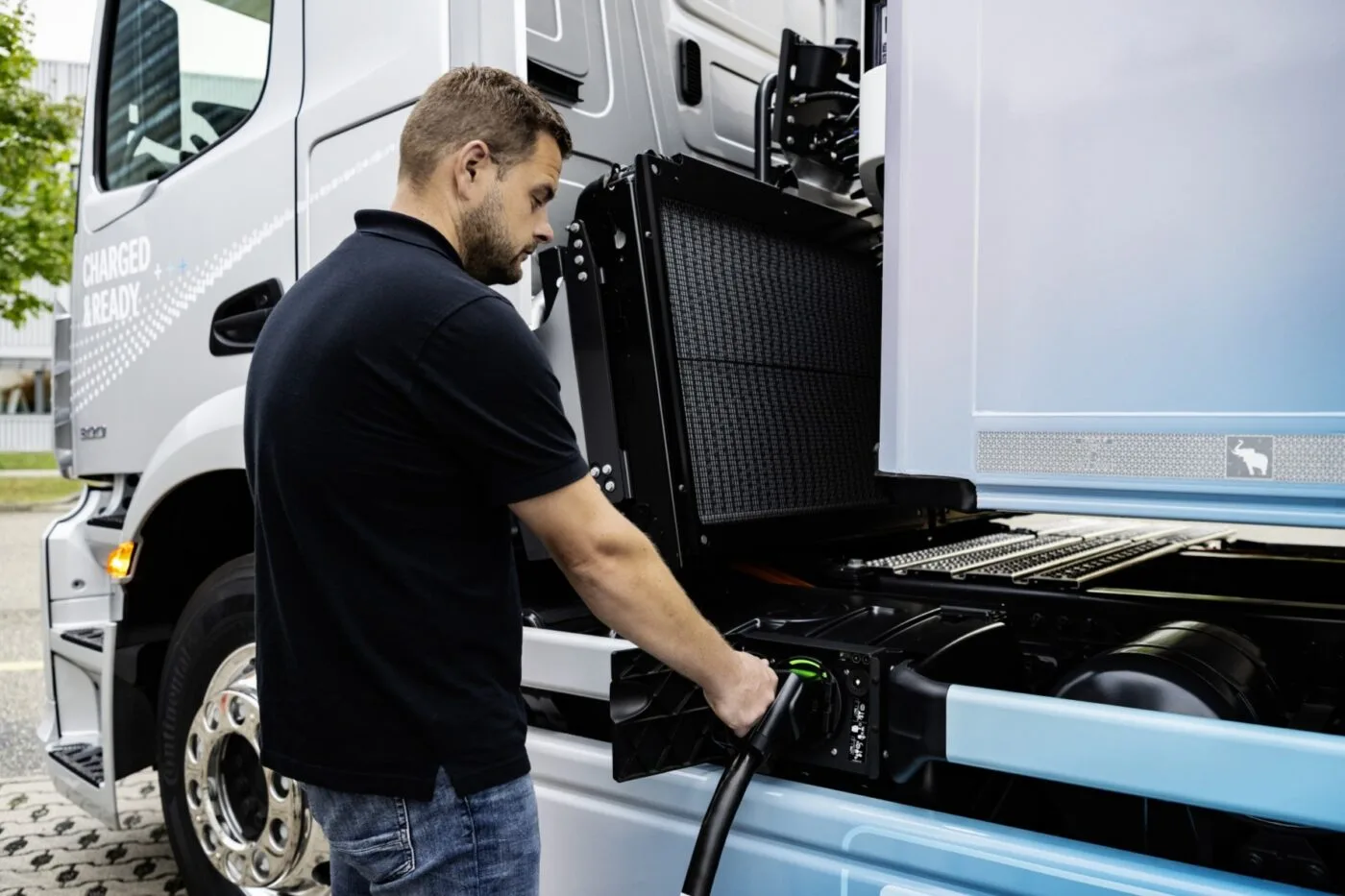
The report added that EU regulations under the Alternative Fuels Infrastructure Regulation (AFIR) would meet only part of the need. “The AFIR is expected to cover between 50% and 70% of public charging needs in the EU-27 by 2030,” the ICCT said. “On the core road network, AFIR targets are expected to cover between 65 and 85 per cent of total charging demand, while coverage across the entire road network will fall to 35 to 45 per cent.”
The study also warned that building high-power charging hubs could strain local electricity grids, especially along the Trans-European Transport Network (TEN-T). “The scale of the required charging infrastructure is likely to pose challenges to local grids, especially at high-power charging sites across the TEN-T network, mainly due to grid congestion challenges, lengthy permitting procedures, and investment hurdles,” the report concluded.


