
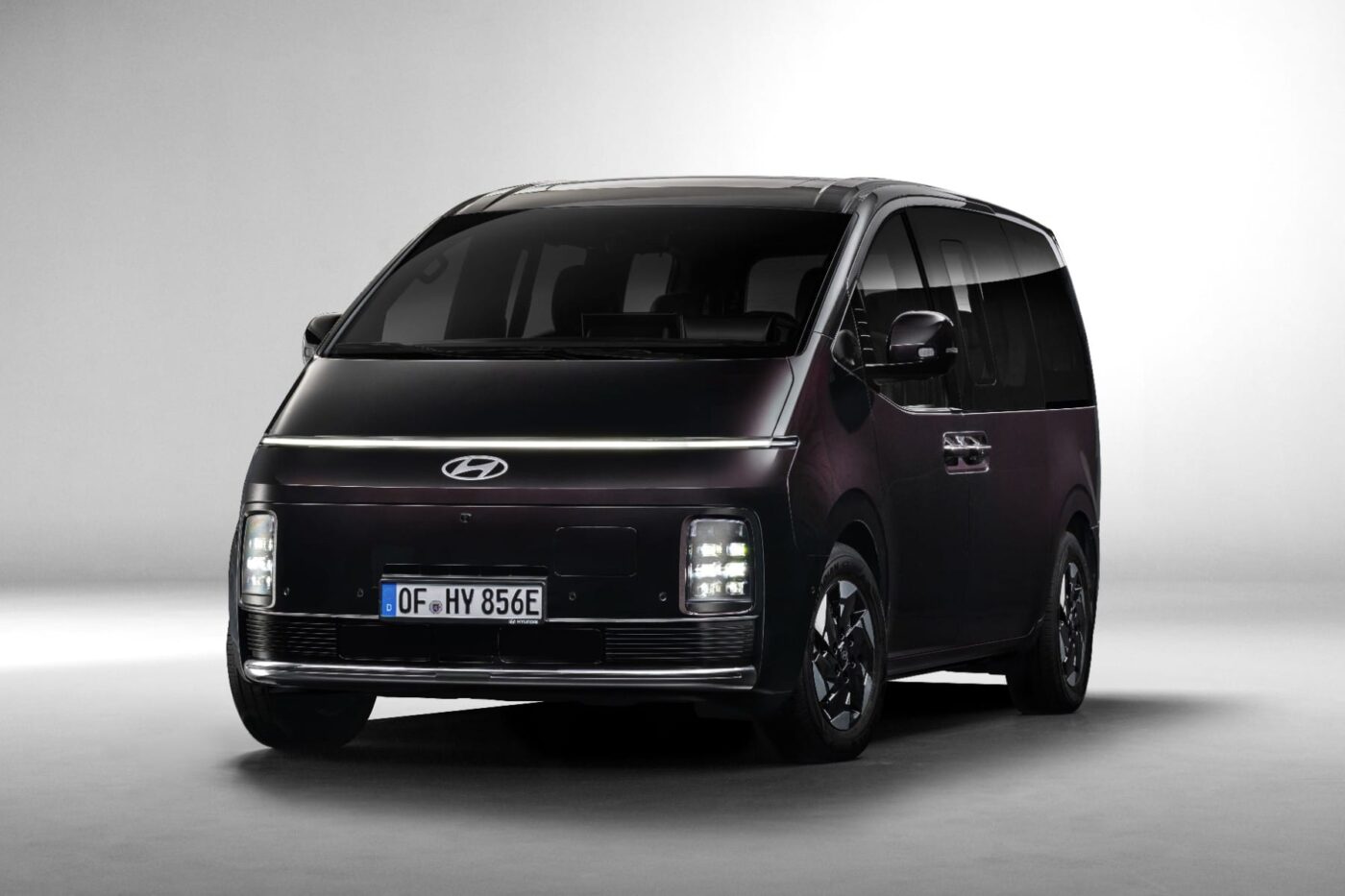
Hyundai Motor on Thursday unveiled the fully electric version of its Staria van for the first time, presenting the model at the Brussels Motor Show as it prepares for market launches in Europe and South Korea in the first half of 2026.
The Staria Electric will be produced at Hyundai’s Ulsan plant in South Korea and initially offered as a seven- or nine-seat vehicle, with additional markets to follow. The model marks Hyundai’s first battery-electric entry in the Staria lineup, which has been on sale since 2021 and is currently available in Europe only with petrol or full-hybrid powertrains.
See also: Hyundai Motor Group Names Manfred Harrer As New Head Of R&D From 2026
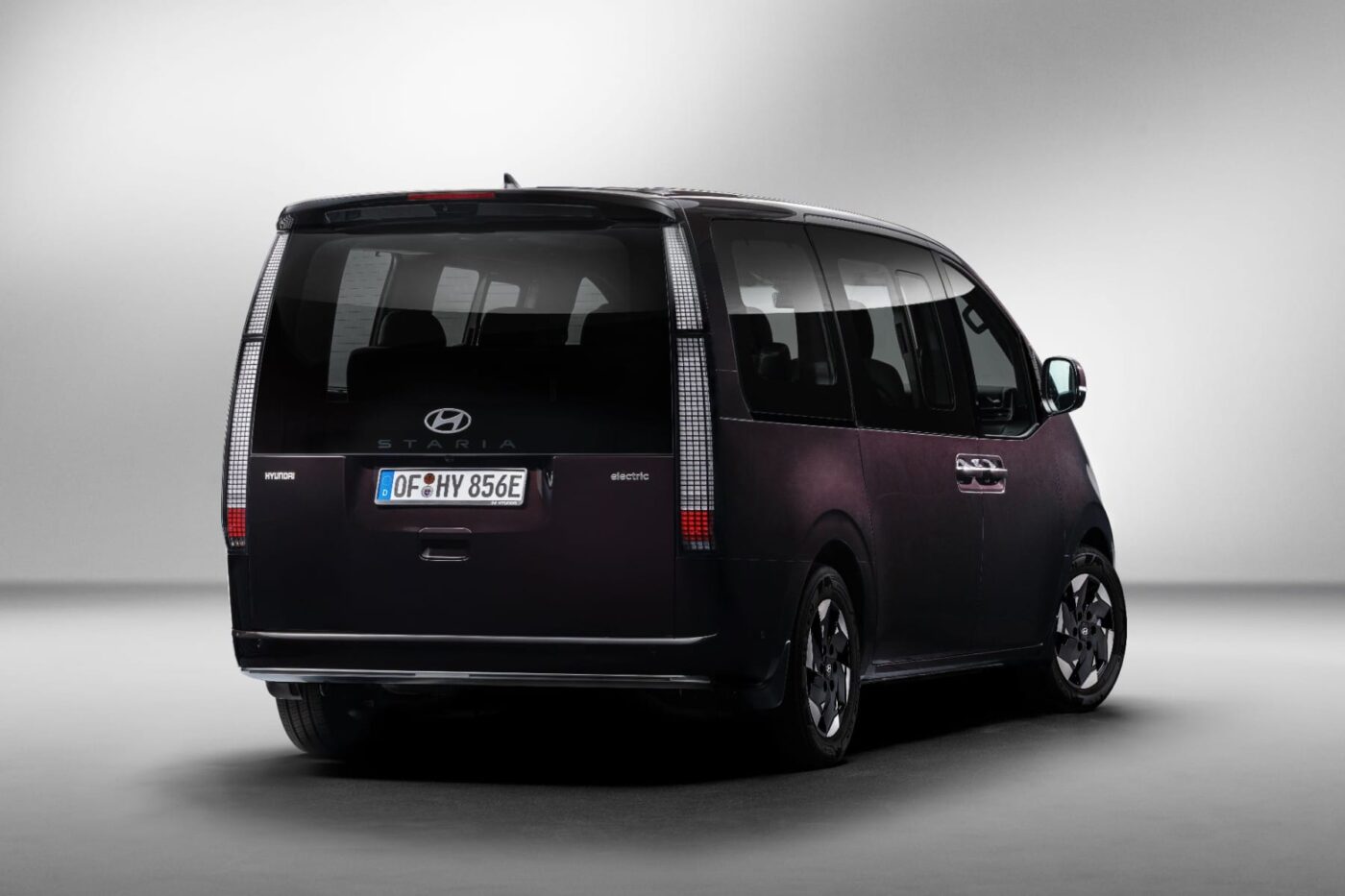
According to Hyundai, the Staria Electric is equipped with an 84-kilowatt-hour battery providing an estimated driving range of up to 400 kilometres under the WLTP test cycle. Power comes from a 160-kilowatt electric motor driving the front wheels. A notable feature in the van segment is the use of an 800-volt electrical architecture, a system already deployed in Hyundai’s Ioniq electric passenger cars, including the Ioniq 5 and Ioniq 6.
The company said the high-voltage system enables significantly faster charging than many competitors. Under optimal DC fast-charging conditions, the Staria Electric is expected to recharge from 10% to 80% in around 20 minutes, although final homologation is still pending. The vehicle also supports 11-kilowatt AC charging, vehicle-to-load (V2L) functionality for powering external devices, and has a towing capacity of up to two tonnes.
See also: Hyundai Self-Driving Chief Chang-Hyeong Song Steps Down Amid Strategic Shift Debate
Hyundai is positioning the electric Staria as a multipurpose vehicle for both private and commercial use. The van retains the model’s distinctive exterior design, including a continuous front light strip, sliding doors on both sides and large glazed surfaces, while the electric version features a closed front fascia and 17-inch alloy wheels. It will be offered in eight exterior colours.
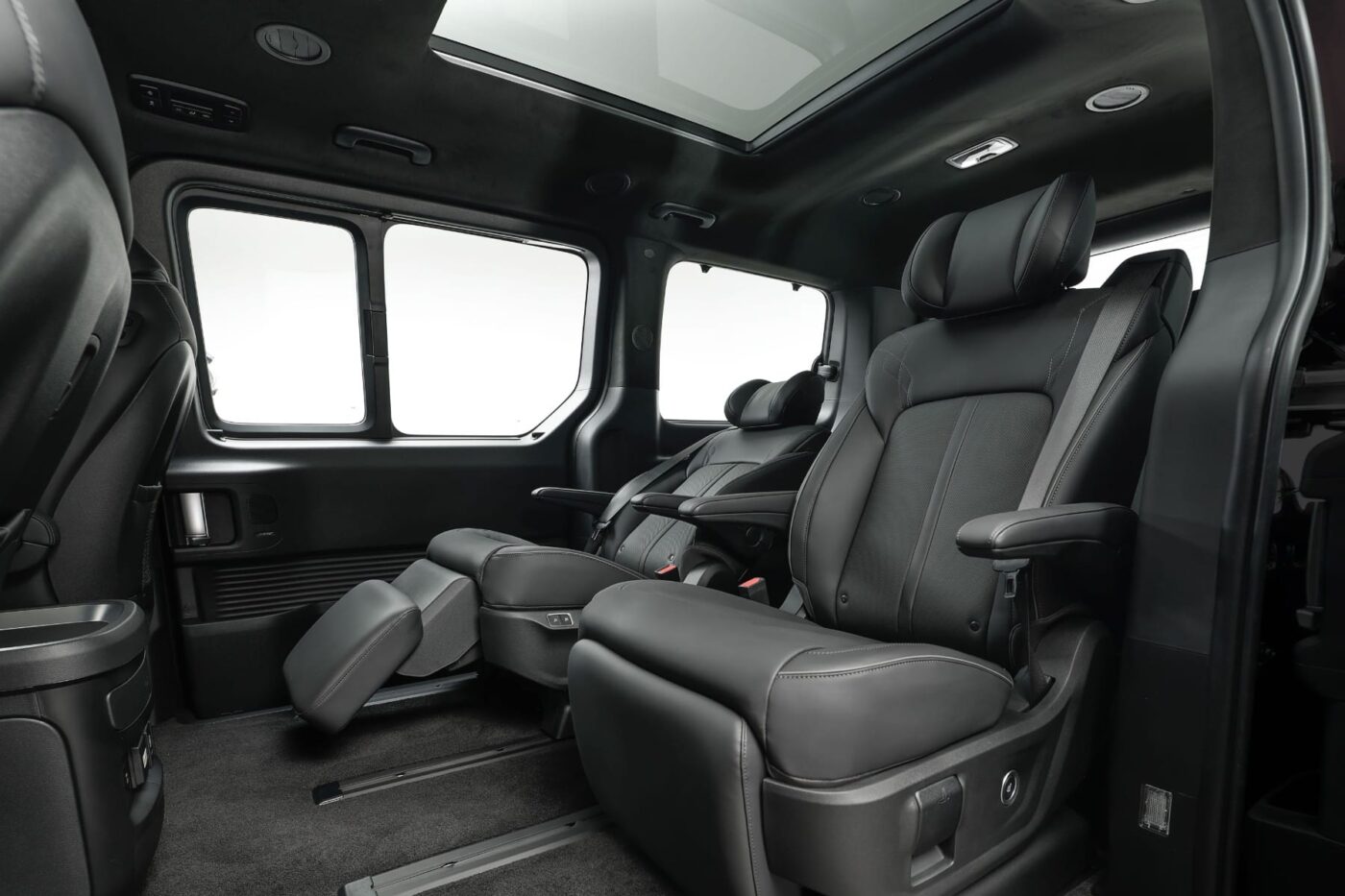
Inside, Hyundai has focused on flexibility and space, applying what it describes as an “Inside-Out” design philosophy. Both seating configurations allow multiple layout options, with luggage capacity ranging from up to 435 litres behind the third row in the seven-seat version to up to 1,303 litres in the nine-seat variant. The flat floor and wide cabin are intended to create what Hyundai calls a lounge-like interior environment.
See also: Hyundai Ioniq 5 Owner Faces Nearly $12,000 Repair Bill After Water Spill in Florida
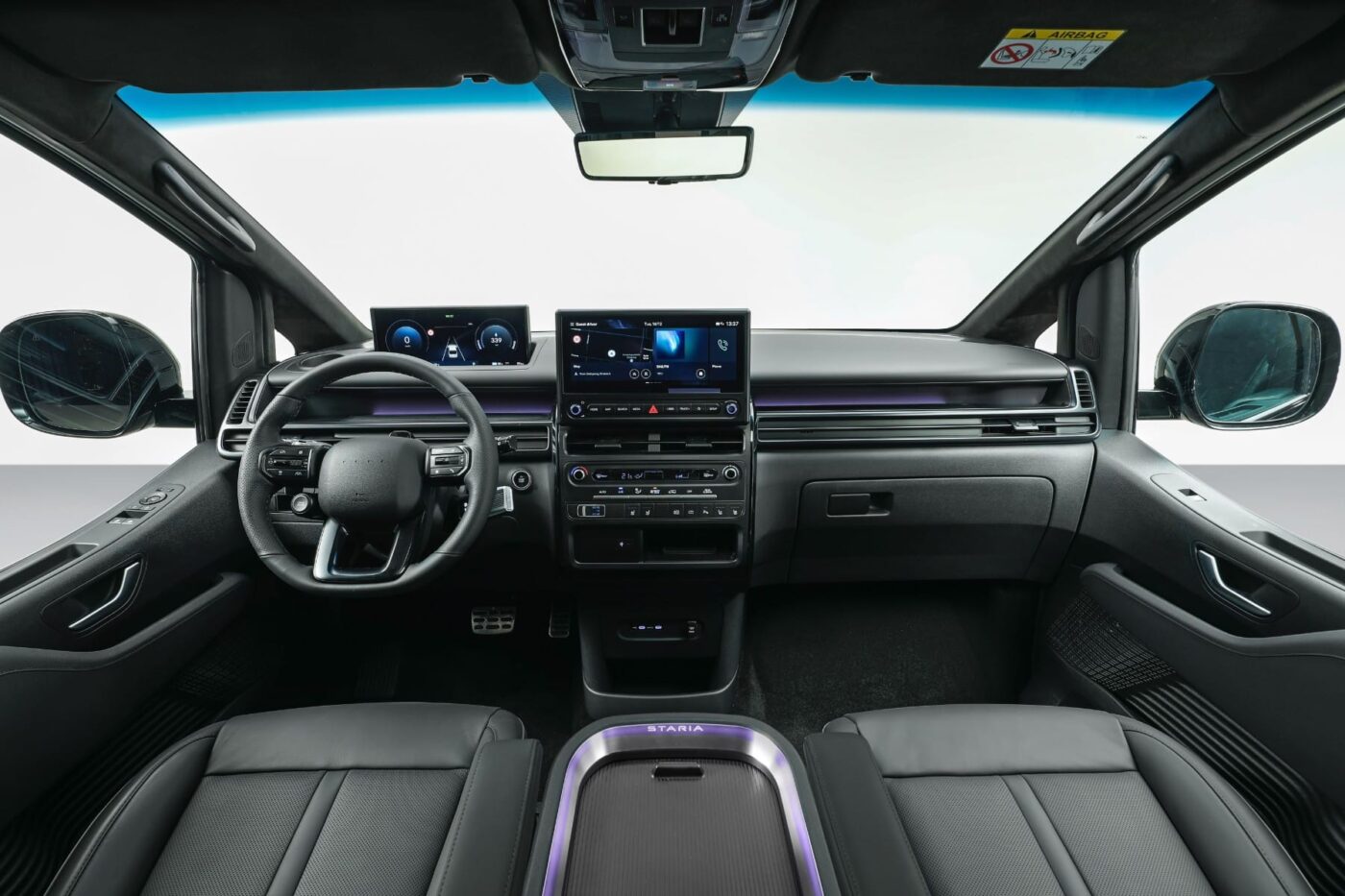
Comfort and technology features vary by specification and include heated and ventilated seats, electrically operated sliding doors, high-output USB ports, smartphone connectivity via Apple CarPlay and Android Auto, and a digital key function. These are integrated into Hyundai’s latest Connected Car Navigation Cockpit (ccNC), alongside a suite of driver assistance systems.
“STARIA Electric brings our EV expertise to a vehicle that many customers already know and trust, combining STARIA’s impressive space and flexibility with a new, fast-charging, high-voltage system and updated interior to deliver practical, efficient electric mobility for real-world use across Europe,” said Xavier Martinet, president and chief executive of Hyundai Motor Europe.