
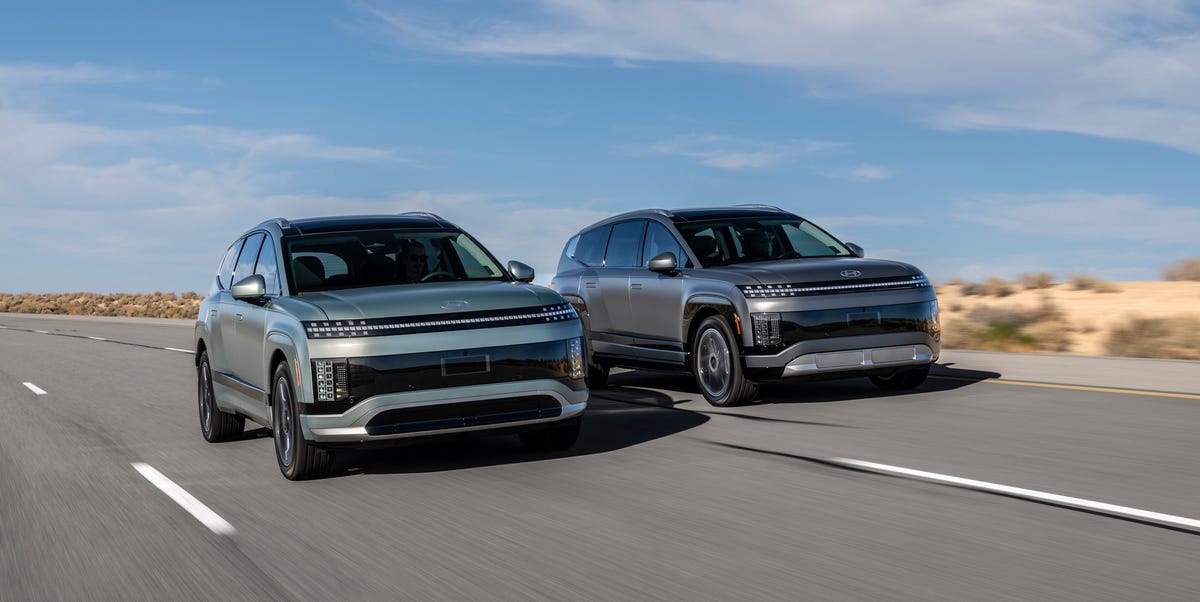
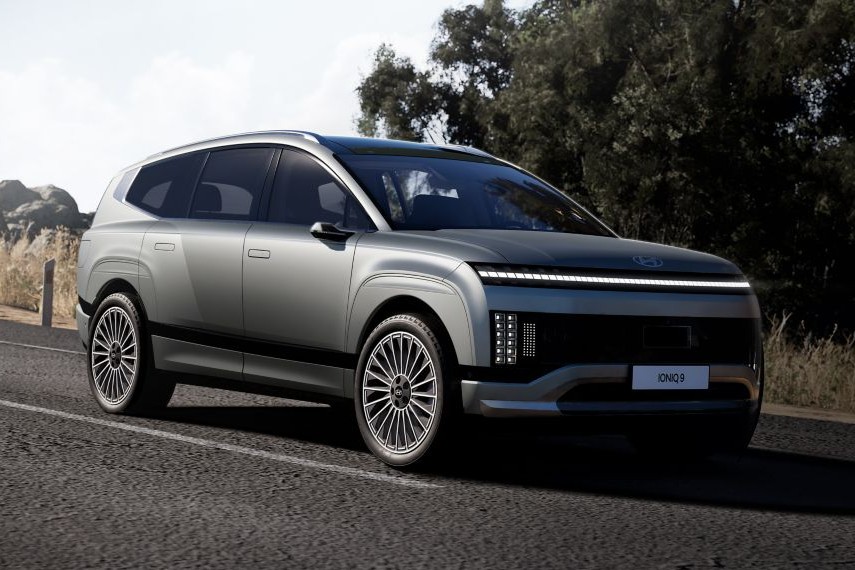
Hyundai officially opened its new electric vehicle (EV) plant in Georgia on Wednesday, marking a major milestone in its $7.6 billion investment in the state. The Hyundai Motor Group Metaplant America (HMGMA) will produce EVs, including the upcoming Ioniq 9, the company’s first three-row electric SUV.
Hyundai began construction on the plant less than two years ago and considers the facility one of its most significant investments to date. The plant is expected to create 8,500 direct jobs by 2030, while Hyundai’s broader investment in Georgia—including a battery plant with SK On and 18 supplier facilities—has attracted more than $12.6 billion and is projected to generate over 58,200 jobs, according to the Center for Automotive Research.
“Together with the talented workforce at HMGMA, we are building the future of mobility with America, in America,” Hyundai Motor Group Executive Chair Euisun Chung said during the grand opening. The ceremony was attended by Georgia Governor Brian Kemp, Hyundai CEO Jose Muñoz, and Kia CEO Ho Sung Song, among others.
Ioniq 9 and Future EV Production
The facility will manufacture EVs and hybrids for Hyundai, Kia, and Genesis. Production had already started in October, when the first 2025 Hyundai Ioniq 5 rolled off the assembly line. The updated model features an extended range of up to 318 miles, refreshed styling, and an NACS charging port for Tesla Supercharger compatibility.
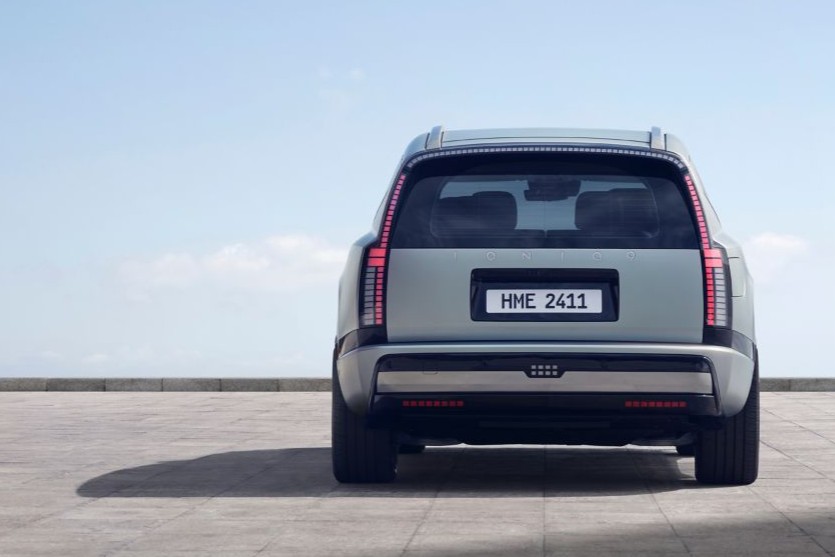
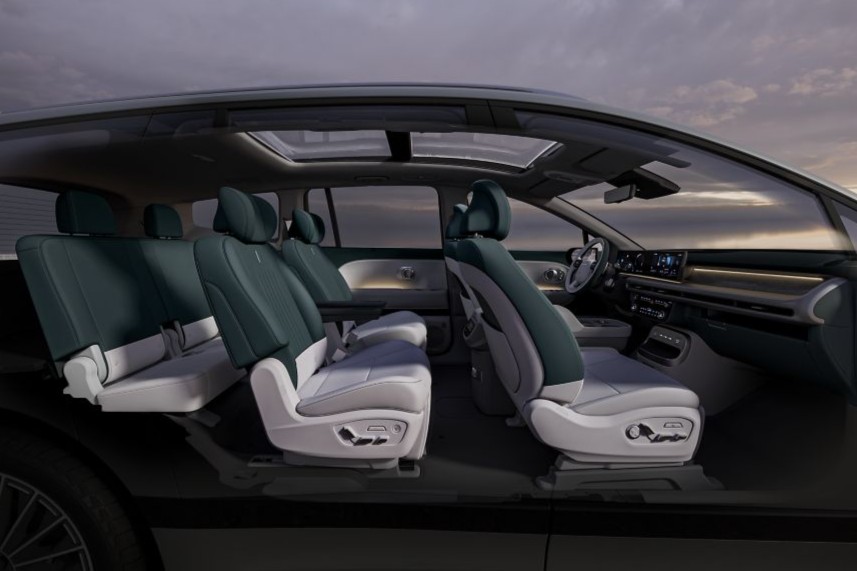
Next in line is the Ioniq 9, a larger three-row electric SUV expected to launch this spring. The model will feature a 110.3 kWh battery, delivering an estimated range of up to 335 miles.
The plant’s opening comes amid Hyundai’s broader $21 billion investment in the U.S., announced earlier this week. The company plans to use $9 billion to increase Hyundai, Kia, and Genesis production to 1.2 million vehicles and allocate $6 billion to build a new steel plant in Louisiana.
Political Concerns Over EV Industry Growth
While Hyundai expands its EV footprint in the U.S., political uncertainty over electric vehicle incentives remains a concern. During a press conference on Wednesday, Georgia Senator Jon Ossoff warned that potential policy changes could impact the industry.
“The Trump Administration’s war on electric vehicles poses a threat to EV sales, to the EV market, and to the automobile industry in Georgia and across the country,” Ossoff said. He cautioned that eliminating federal tax credits would put the U.S. at a disadvantage compared to China and other global competitors in the auto and technology sectors.
Despite the political challenges, Hyundai continues to accelerate its U.S. EV strategy, positioning itself as a key player in the country’s growing electric mobility market.