
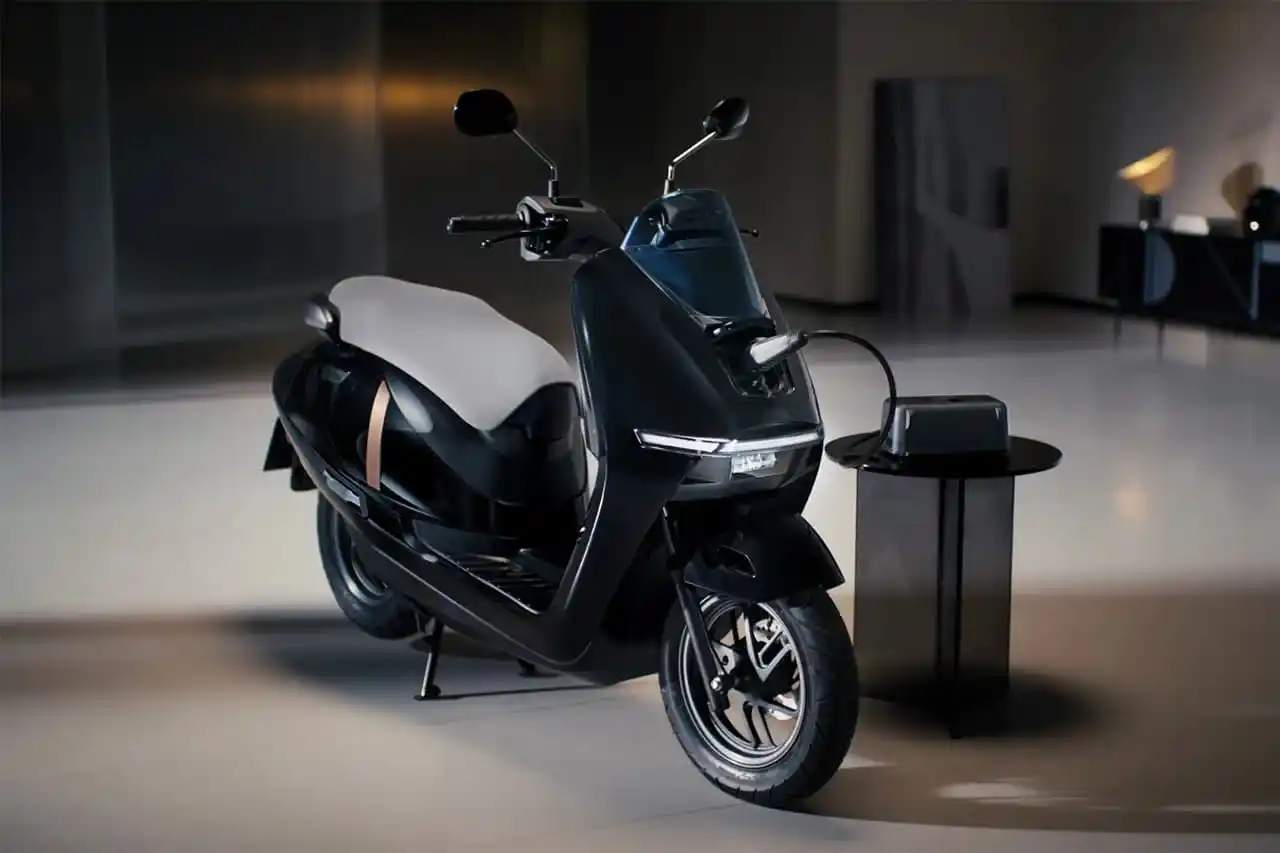
Honda is preparing to launch its latest electric two-wheeler, the UC3, in Vietnam and Thailand this spring, marking a strategic shift in the automaker’s approach to battery technology as it responds to accelerating electrification across Southeast Asia.
The UC3, developed by Honda’s motorcycle division, is positioned as the electric equivalent of a 110cc gasoline scooter, a segment that dominates daily transport in much of Asia. While Honda has been a leading advocate of swappable batteries for light electric motorcycles, the UC3 instead uses an integrated, fixed battery—departing from the company’s in-house removable battery standard.
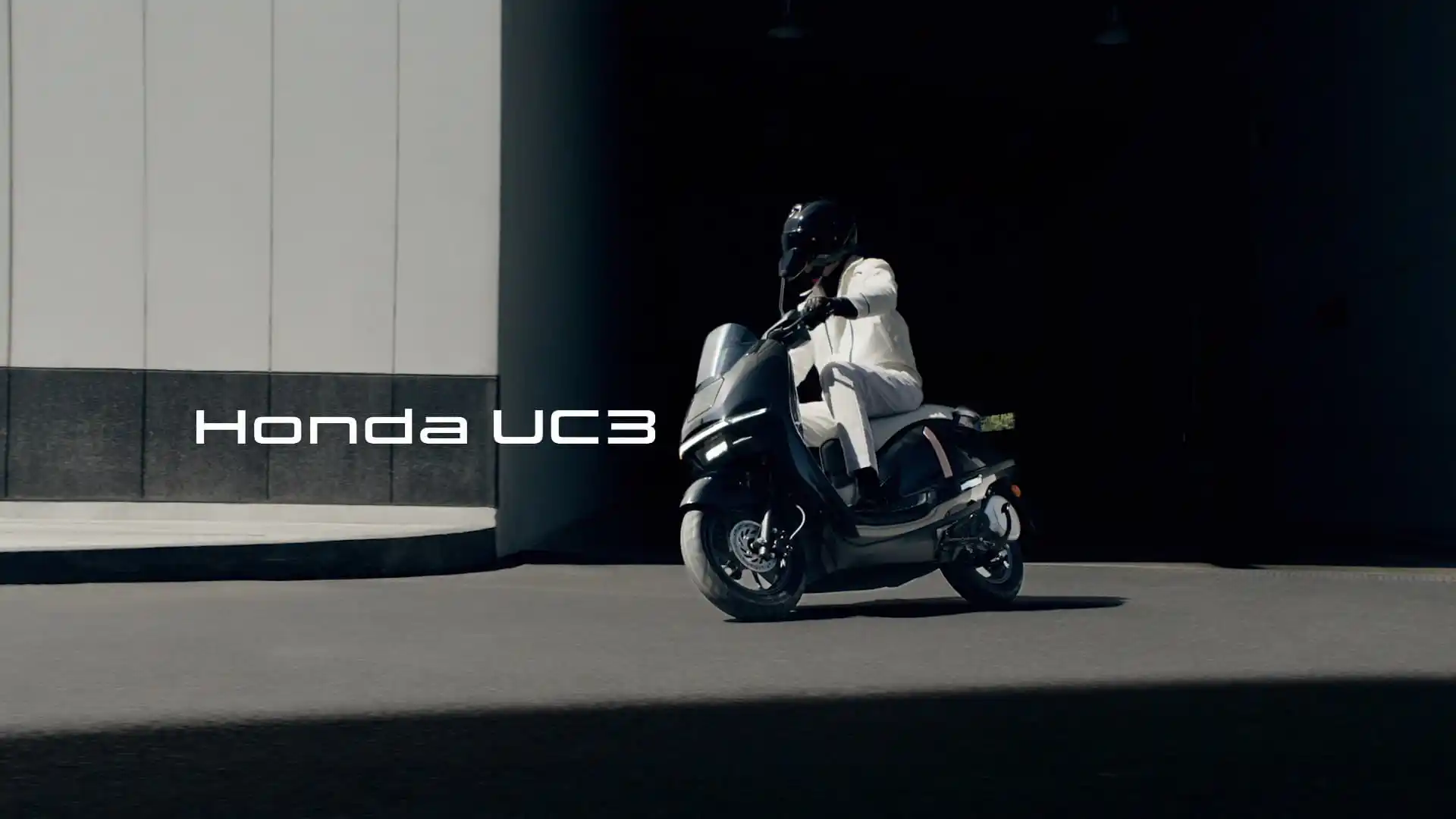
The model is powered by Honda’s first fixed-type lithium iron phosphate (LFP) battery with a capacity of 3.2 kWh, paired with a wheel-side motor producing up to 6 kilowatts. Honda says the UC3 can reach a top speed of 80 km/h and travel up to 122 km on a single charge under WMTC testing. The electric two-wheeler also offers three riding modes and a reverse function designed to ease parking.
Honda said it will begin sales of the UC3 in Thailand and Vietnam as urban policies in the region increasingly favor electric mobility. Vietnam is moving toward restricting gasoline-powered motorcycles in major cities such as Hanoi and Ho Chi Minh City, as authorities seek to address air pollution and congestion. With tens of millions of combustion scooters currently in use, manufacturers are under pressure to provide viable electric alternatives.
Despite adopting a fixed battery for the UC3, Honda said it will continue expanding its battery-swapping ecosystem based on the Honda Mobile Power Pack e: system, which is already in use in parts of Asia. The company’s decision reflects what analysts see as a dual-track strategy aimed at serving both private owners and commercial fleets.
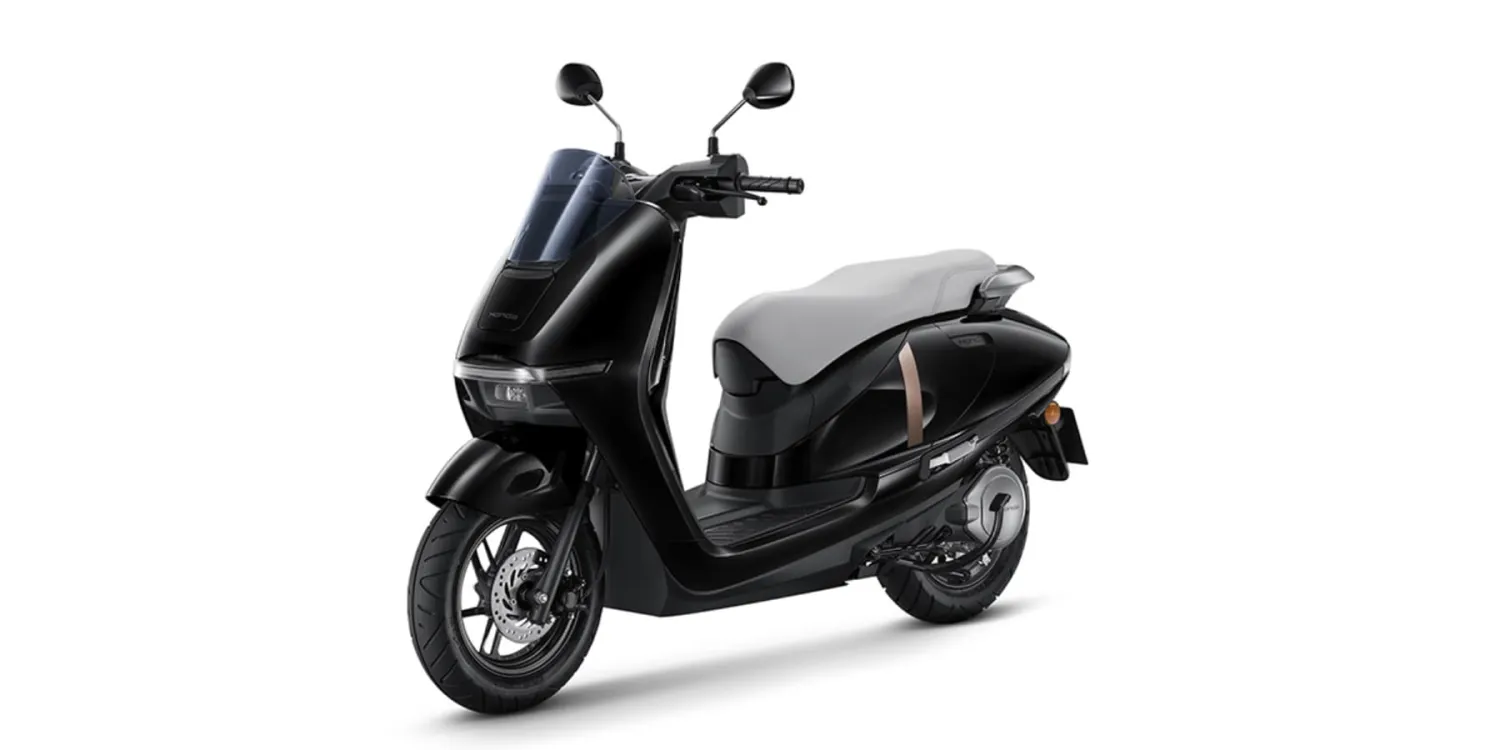
“Swappable batteries still make sense for delivery riders and dense urban environments, while fixed batteries are better aligned with private ownership as home and workplace charging grows,” Honda said in a statement accompanying the launch announcement.
To support the rollout, Honda plans to install two-wheeler chargers based on the CHAdeMO standard at dealerships and shopping centers in Thailand and Vietnam. Charging stations in Vietnam are expected to begin operations from mid-2026, the company said.