

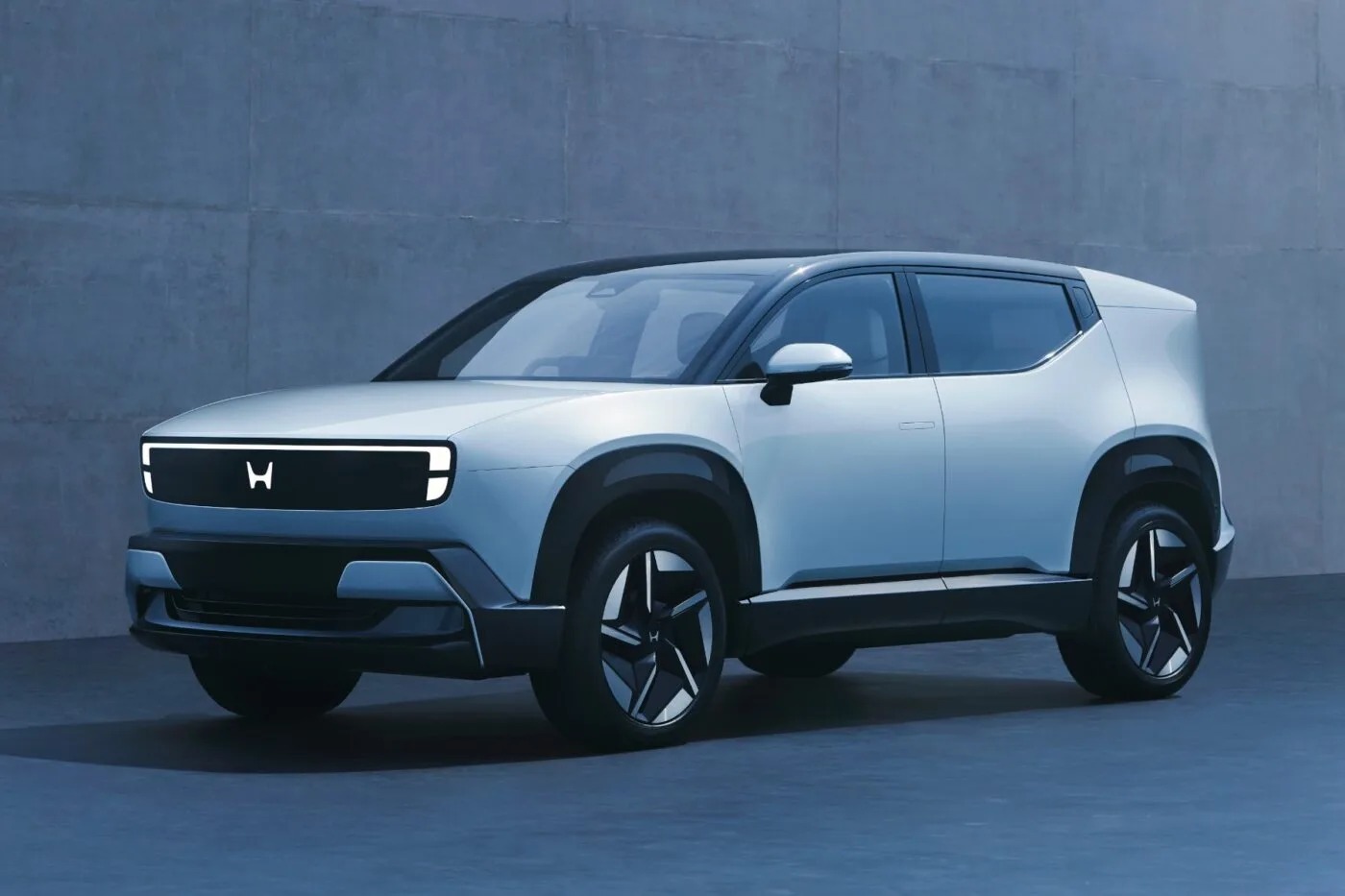
Japanese automaker Honda Motor has cancelled plans to launch three electric vehicles in the United States, including two models from its upcoming Honda 0 Series and a performance SUV from its luxury brand Acura, as shifting market conditions and policy changes reshape the company’s electrification strategy.
The affected models include the Honda 0 SUV, the Honda 0 Sedan, and the Acura RSX, which had been scheduled for release in the United States over the next several years. Prototypes of the Honda 0 Series vehicles were first presented during CES 2025 in Las Vegas, generating expectations that the models would form the backbone of Honda’s next-generation electric lineup.
Honda said the decision was driven by a slowdown in electric vehicle demand in the United States following policy shifts under the administration of Donald Trump, including relaxed emissions regulations for internal combustion vehicles and changes to EV incentives.
The company pointed to the expiration of the $7,500 U.S. federal tax credit for electric vehicles on Sept. 30, 2025, as well as updated regulatory policies that eased emissions requirements for gasoline-powered cars. Honda also said U.S. tariffs affecting internal combustion engine vehicles and hybrid models have negatively impacted its business environment.
The cancellation comes as Honda reassesses its global competitiveness in the rapidly evolving EV sector, particularly in China, where automakers have accelerated development cycles and placed greater emphasis on software-driven vehicle capabilities.
“In such a difficult competitive environment, Honda was unable to deliver products that offer value for money better than that of newer EV manufacturers, resulting in a decline in competitiveness,” the company said in a statement.
Chinese electric vehicle makers have gained market share by focusing on software-defined vehicle technologies, including advanced driver assistance systems and connected services that adapt to user preferences. Honda acknowledged it had underestimated how quickly Chinese consumers’ priorities would shift from traditional hardware features such as fuel efficiency and cabin space toward software capabilities and digital functionality.
The strategic shift is expected to have significant financial consequences for the automaker. Honda said the cancellation of the three electric models will lead to write-downs of fixed and intangible assets totaling between 820 billion yen and 1.12 trillion yen (about €4.5 billion to €6.1 billion).
Including other restructuring costs tied to the change in strategy, Honda estimates the total financial impact could reach 2.5 trillion yen, equivalent to roughly €13.5 billion.
As a result, the company now forecasts a pre-tax loss of between 310 million yen and 610 million yen for the fiscal year ending March 31, 2026, reflecting the financial strain caused by the cancelled projects and broader adjustments to its electric vehicle plans.
The move underscores the growing uncertainty facing automakers investing heavily in electrification, as government policies, consumer demand, and global competition continue to reshape the industry.