



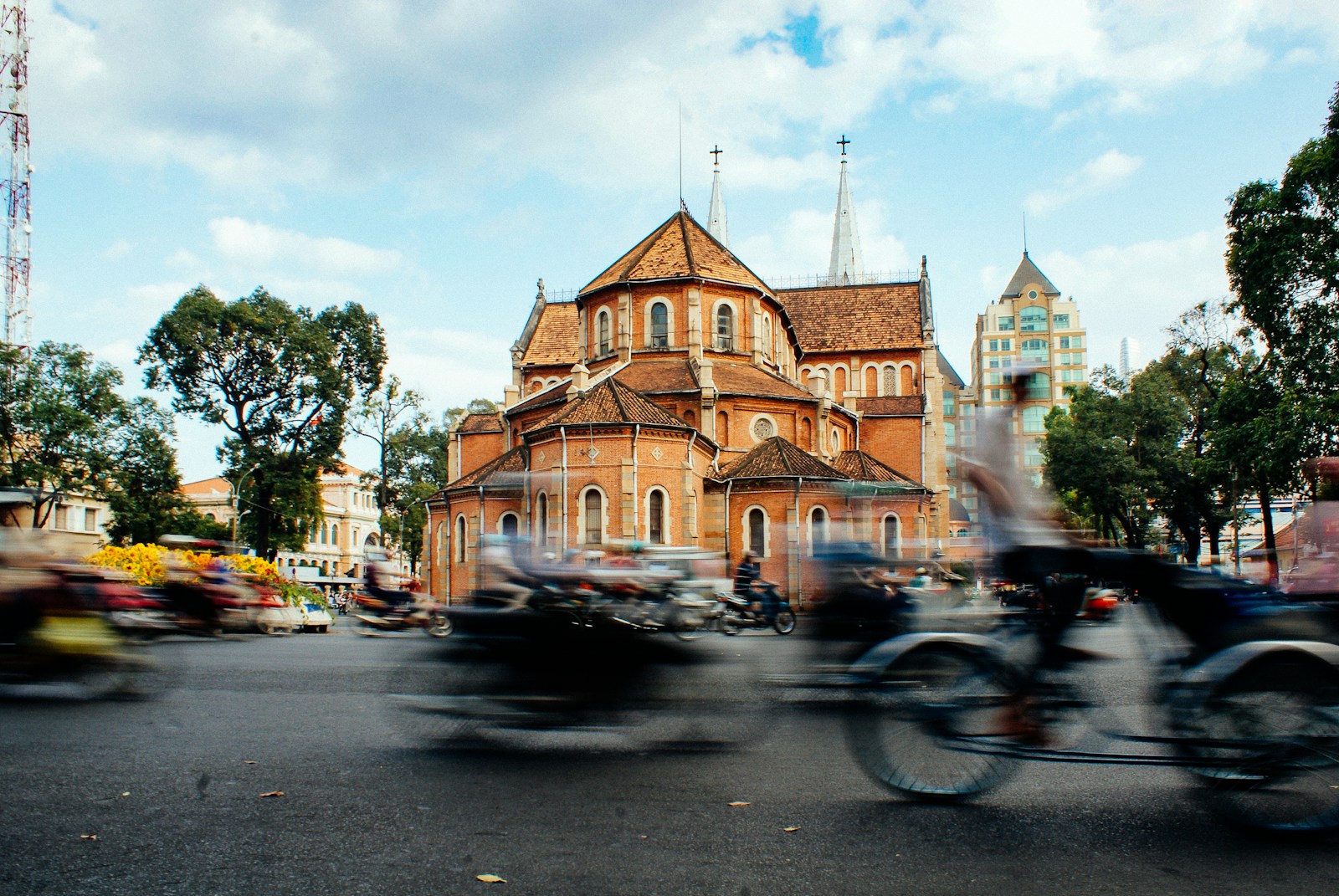
Ho Chi Minh City is preparing to restrict petrol-powered vehicles in designated low-emission zones as part of a broader push to accelerate electric mobility, with a particular focus on two-wheelers used by public officials and ride-hailing fleets.
Vietnam’s largest city aims for electric vehicles to account for 50% of motorbikes used by officials and ride-hailing drivers by 2027, rising to full electrification by 2030, according to state-controlled media and policy proposals cited by Nikkei.
See also: Japan Warns Vietnam Over Petrol Motorbike Ban, Citing Job Losses and Market Risks
A city-backed research institute outlined plans in a proposal published in July to introduce low-emission zones where petrol-powered vehicles would be restricted during peak hours starting in January 2027. “From January 2027, gasoline-powered vehicles would be restricted from operating during peak hours in designated low-emission zones,” the institute said, adding that the measures could be tightened further from 2028.
An undated article on Ho Chi Minh City’s official website indicated that the first pilot low-emission zone would be launched in the southern Can Gio district, with the restrictions expected to expand into the city centre in 2027. Enforcement is likely to rely on street cameras, with fines issued to vehicles that enter restricted areas in violation of the rules.
See also: Hanoi to Ban Fossil Fuel Motorbikes in City Center by 2026, Expand Restrictions Citywide by 2030
Alongside traffic restrictions, the city plans to expand charging infrastructure for electric vehicles. The Lao Dong newspaper reported that Ho Chi Minh City intends to install 1,338 charging stations at sites including shopping centres, while also enabling charging access at offices, hospitals, parking facilities and bus stations.
The move follows similar steps already announced in Vietnam’s capital, Hanoi. Last summer, the city said it would ban fossil fuel-powered motorbikes and scooters within Ring Road 1 from July 1, 2026, as part of efforts to curb air pollution. From 2028, the ban is set to expand to other areas and to include combustion-powered cars.
See also: VinFast Plans 150,000 Battery-Swapping Stations For Electric Two-Wheelers In Vietnam
Hanoi is also preparing a large-scale subsidy programme to support the replacement of around 450,000 petrol-powered motorbikes with electric alternatives ahead of the 2026 ban. In Ho Chi Minh City, authorities previously announced plans in mid-2025 to convert about 400,000 ride-hailing motorcycles to electric vehicles, underlining the growing role of fleet electrification in Vietnam’s urban transport strategy.


