




Voters in Hamburg approved a referendum on Sunday to amend the city’s climate protection law, moving the target for climate neutrality from 2045 to 2040. The decision, backed by 53.2% of participants, may require sweeping measures, including a potential ban on combustion engine vehicles by 2040.
The ‘Hamburg Future Decision’ initiative, launched by the Fridays for Future movement and supported by environmental groups such as NABU and BUND, as well as unions and local businesses, proposed the amendment. Mayor Peter Tschentscher said the city would implement the changes, while allowing a two-year transition period.
See also: Germany Plans €3 Billion Electric Car Subsidy for Low- and Middle-Income Households
The amendment enshrines the 2040 climate neutrality goal into law and calls for socially acceptable implementation, including accessible and affordable public transport, promotion of tenant electricity schemes, and the installation of photovoltaic systems in schools and public buildings.
A report commissioned by the city suggests additional measures to meet the target, such as introducing 30 kph speed limits, establishing zero-emission zones, and gradually phasing out combustion engine vehicles. The report states the transition could start within central areas and expand outward over time. It also highlights the potential inclusion of climate-neutral e-fuels if they become available.
See also: Merz Pushes Back Against 2035 EU Ban on Combustion Engines
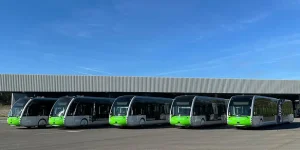
The plans have drawn some criticism from motorists’ groups. Hanno Huijssen, CEO of ADAC Hansa, questioned the capacity of public transport to absorb additional demand and cautioned that a blanket 30 kph speed limit could increase emissions under certain conditions. “Public transport will not be able to cope with the additional passengers resulting from the ban on combustion engines. 50% of public transport users are already transported by bus,” Huijssen said.
City officials noted that specifics such as speed limits would be addressed separately and could initially serve as transitional measures until all vehicles are climate-neutral.
See also: EU Carmakers Urge Softer CO₂ Rules, Longer Deadlines Amid EV Market Pressures
The referendum reflects growing local support for accelerated climate action in German cities, as authorities balance environmental goals with mobility and infrastructure challenges.


