

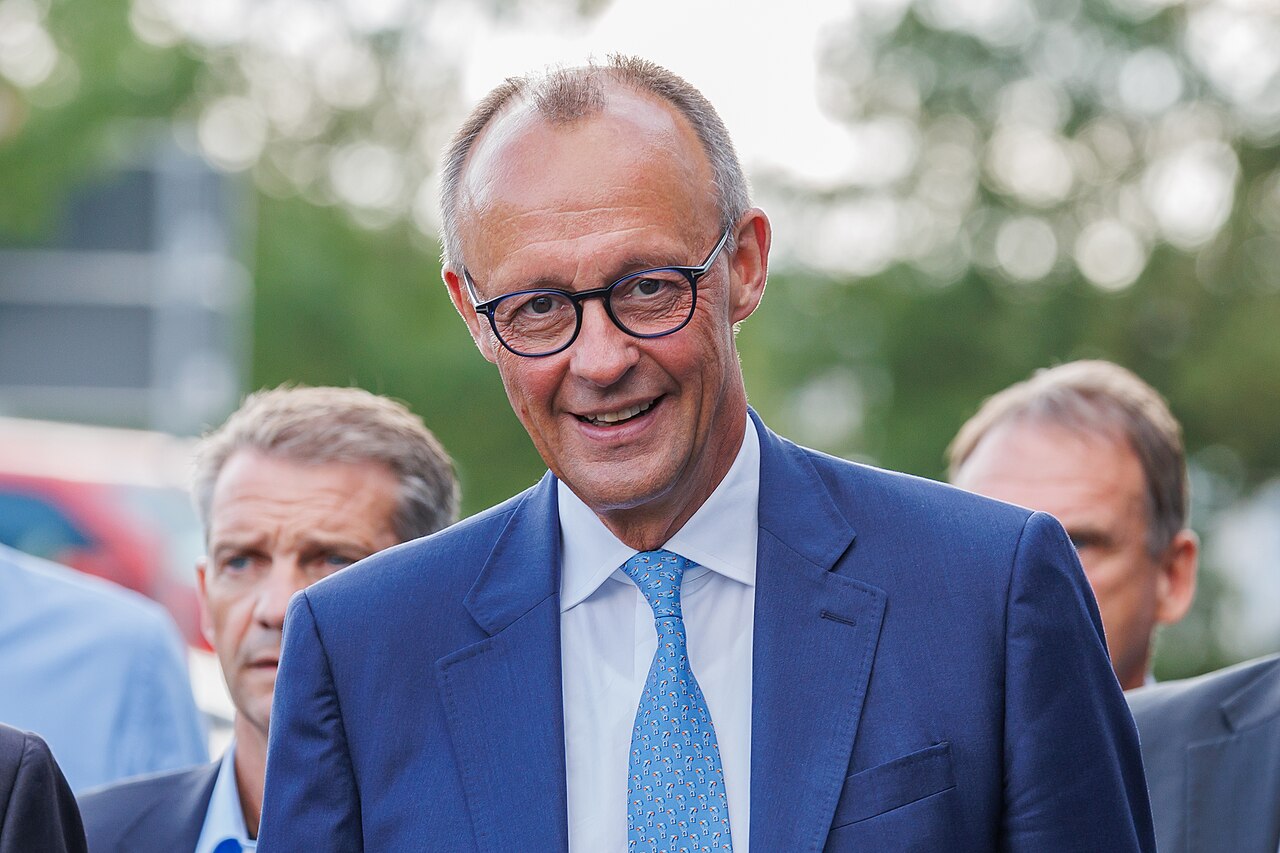
German Chancellor Friedrich Merz said on Thursday he would do everything in his power to prevent a complete phase-out of carbon dioxide-emitting vehicles by 2035 in the European Union, following talks with senior executives from the country’s leading automakers.
“If I have my way, and I will do everything I can to achieve this, there will be no such hard cut in 2035,” Merz said at a press conference after the meeting. He added that while the transition to electric mobility would remain the dominant focus for years to come, the auto industry needed time to develop and adopt alternative energy technologies.
See also: EU Carmakers Urge Softer CO₂ Rules, Longer Deadlines Amid EV Market Pressures

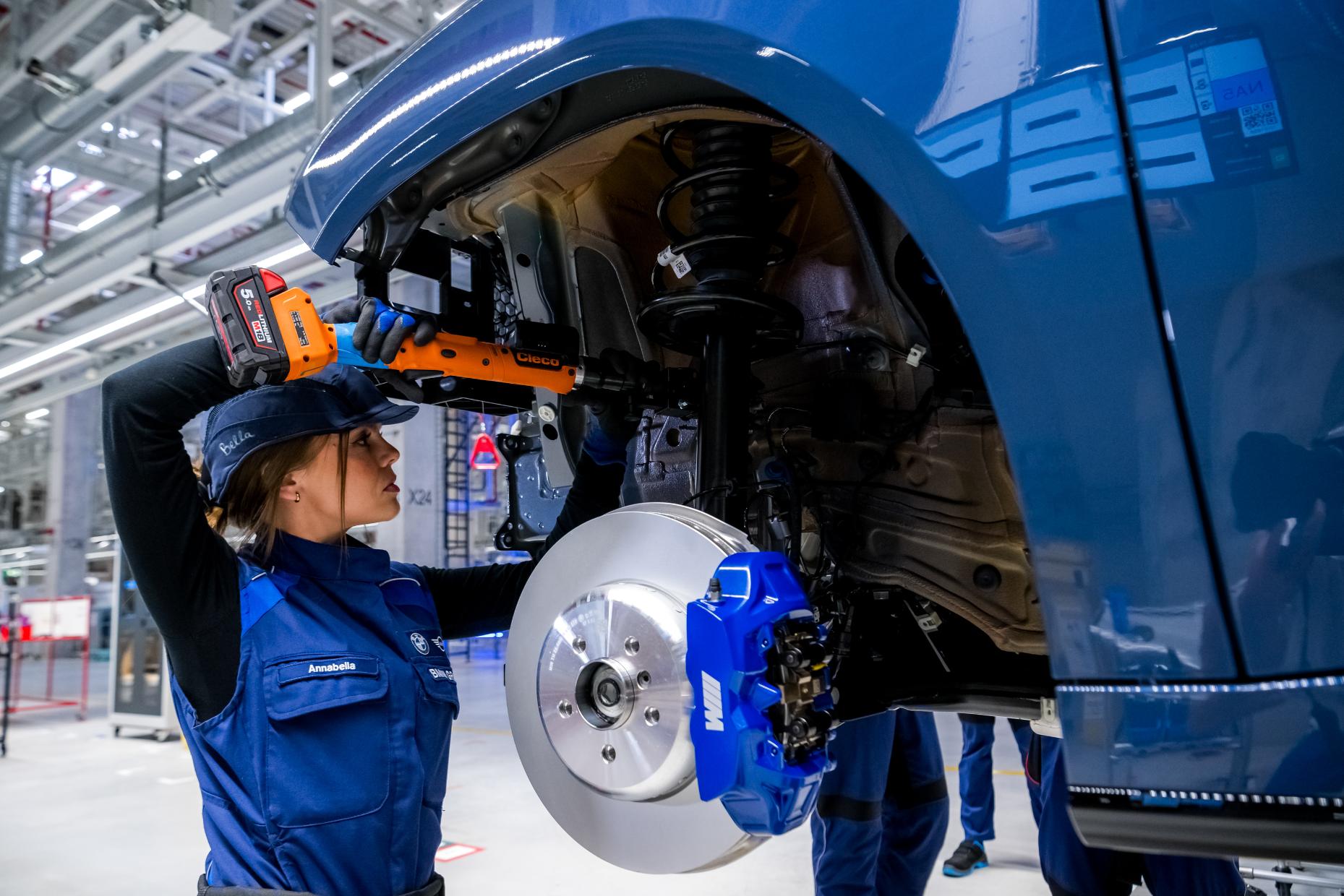
The meeting came amid growing pressure from European automakers who argue that the EU’s plan for a 100% reduction in CO2 emissions from new cars and vans by 2035 — effectively banning combustion engines — is too ambitious given global competition and current technological limitations. Industry groups are calling for extended deadlines and broader definitions of low-emission technologies, including hybrids and synthetic fuels.
Earlier on Thursday, Merz also announced €3 billion ($3.5 billion) in subsidies to help middle- and lower-income households purchase electric vehicles, describing it as a measure to support both consumers and the domestic auto industry.
See also: EU Commission Stands Firm On 2035 Combustion Engine Ban Despite Industry Pushback

Hildegard Mueller, president of Germany’s VDA auto association, welcomed the government’s willingness to consider industry feedback, saying: “The technical options are helping now, helping to secure jobs today.”
Finance Minister Lars Klingbeil said the Social Democrats could support allowing technologies such as range extenders, plug-in hybrids and new fuel blends to continue beyond 2035. “For us this is also a path that we consider to be absolutely feasible,” he said.
See also: Over 150 European EV Executives Urge EU to Keep 2035 Zero-Emission Target
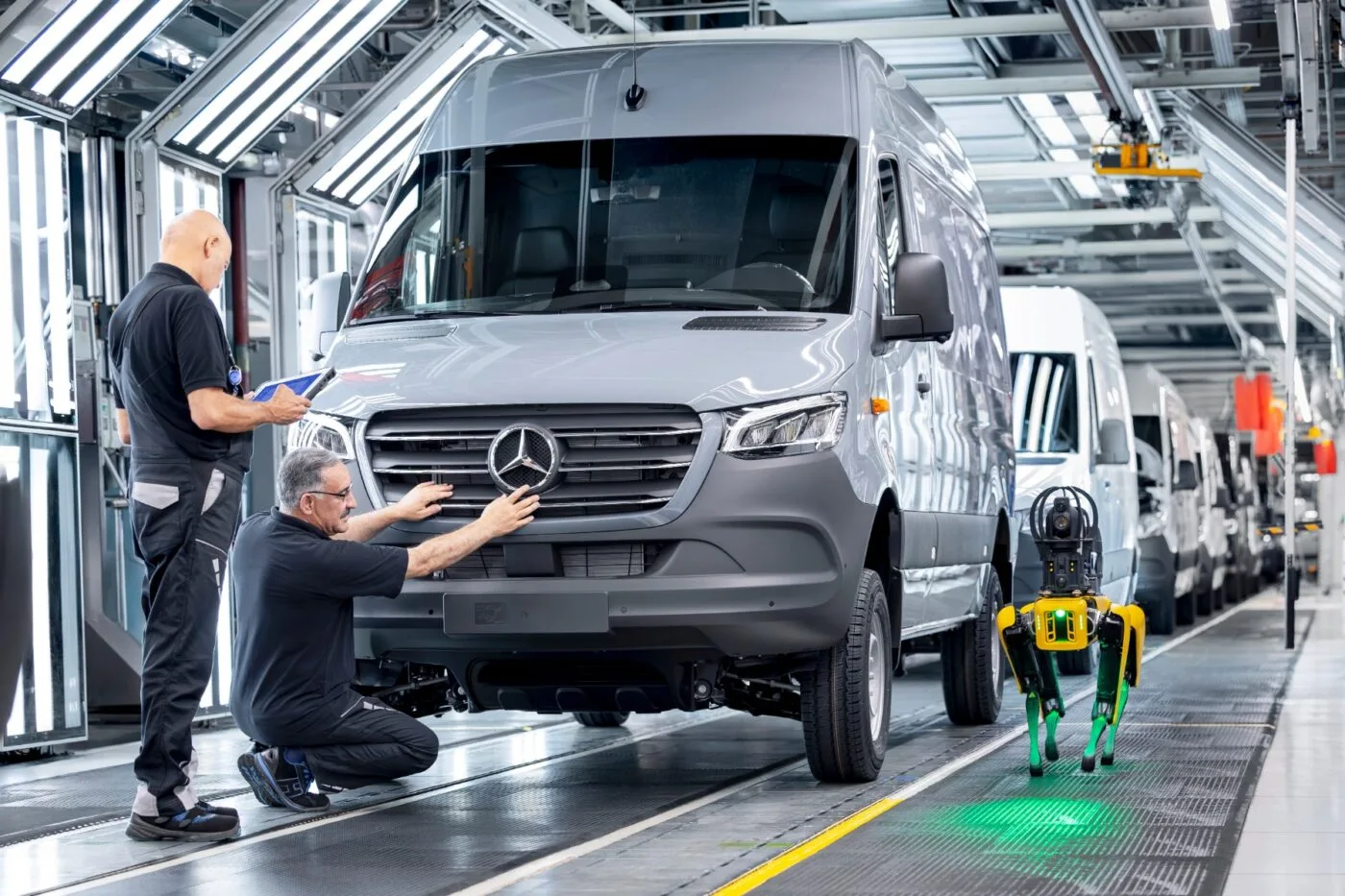
Automakers echoed similar calls for flexibility. Volkswagen CEO Oliver Blume told dpa news agency that while “electric mobility was the technology of the future,” the 2035 deadline for internal combustion engines appeared “unrealistic.” Mercedes-Benz CEO Ola Kaellenius also told manager magazin that “we still need a few side roads,” suggesting that efficient hybrid engines should remain part of the mix beyond the deadline.
Source: Reuters