
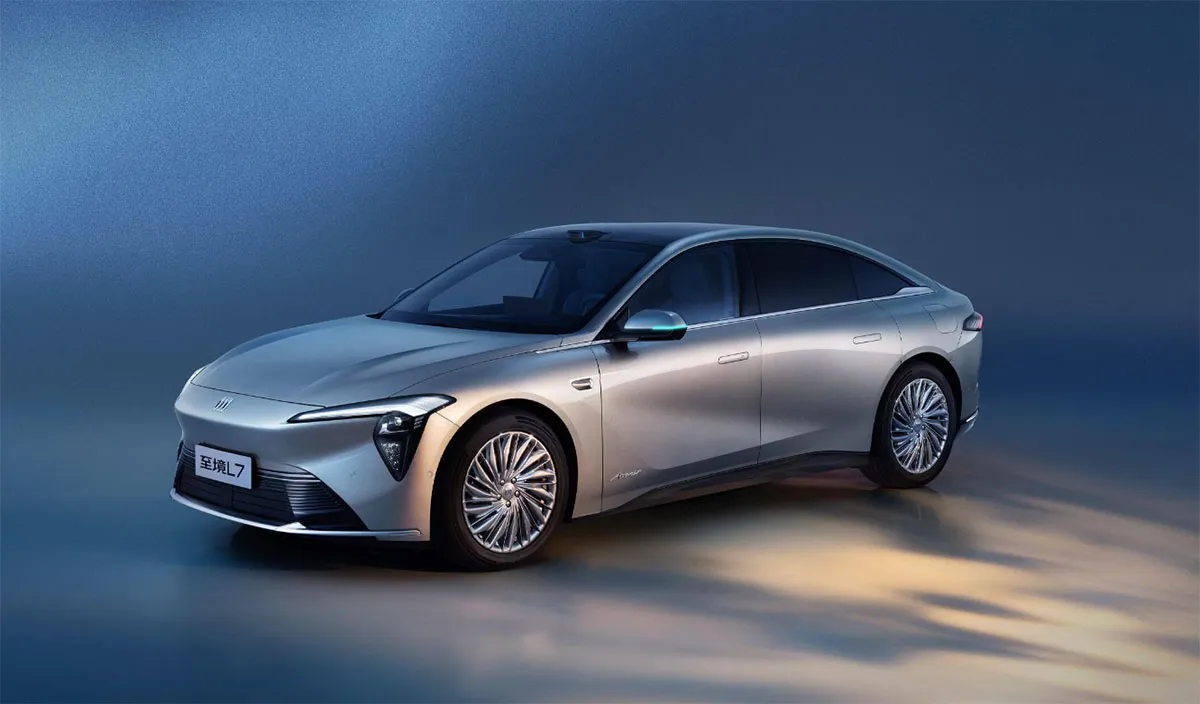
Buick, a unit of General Motors (NYSE: GM), has unveiled the Electra L7 extended-range sedan in China, signaling its bet on a new energy vehicle (NEV) segment that has expanded rapidly in recent years but now faces slowing growth and intensifying competition.
The Electra L7, introduced at an event on Sunday, is built on the Xiao Yao Super Architecture and will begin pre-sales on Sept. 28, with a market launch slated for the fourth quarter.
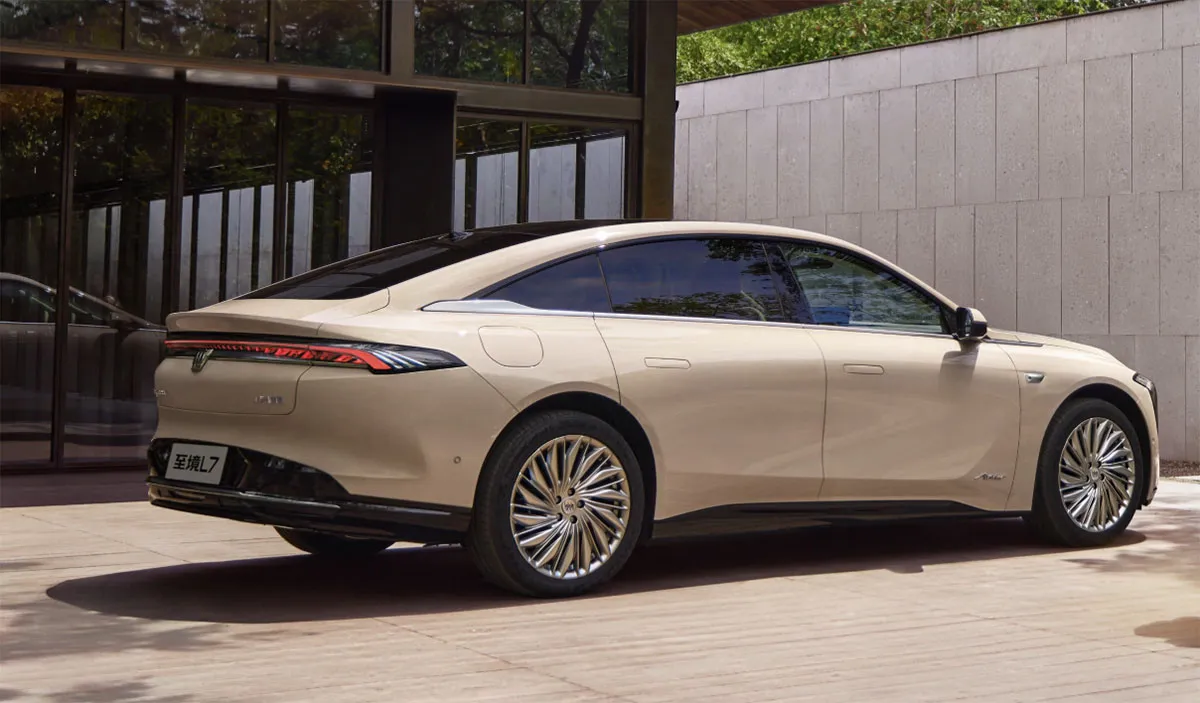
While pricing has not been disclosed, Buick previously indicated the sedan would be positioned around RMB 300,000 ($41,790). The model is part of Buick’s Electra sub-brand, which was elevated to standalone brand status in April.
The mid-to-large sedan measures 5,032 mm in length with a 3,000 mm wheelbase and employs the brand’s “Zhen Long” extended-range electric vehicle (EREV) system. A 1.5-liter engine serves as a range extender, paired with GM’s 40.2-kWh Ultium battery pack and a 252-kW electric motor. The vehicle accelerates from 0–100 km/h in 5.9 seconds, delivers 302 km of pure battery range, and exceeds 1,400 km when combining fuel and electric power.
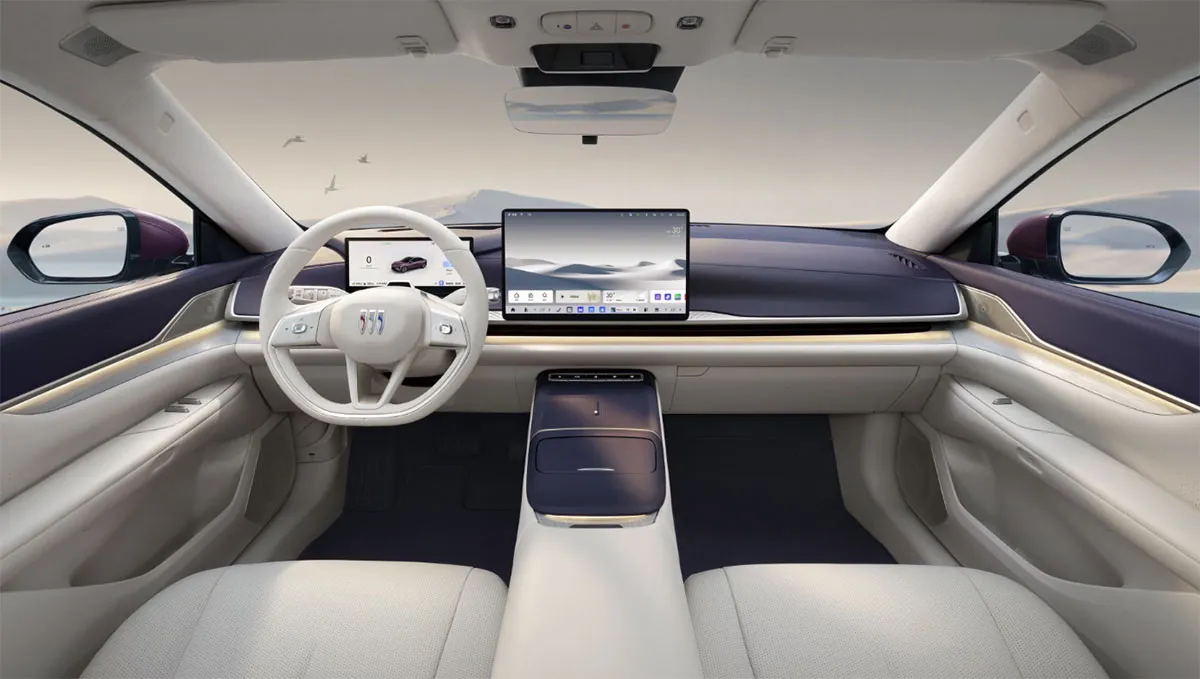
The Electra L7 also features advanced driver assistance powered by Momenta’s R6 AI model, offering functions such as Urban Navigation on Autopilot and automated parking. Inside, it is equipped with Qualcomm’s SA8775P cockpit chip, making it among the first vehicles in China to deploy the processor.
EREVs have become increasingly popular in China as they provide battery electric driving without range limitations. International automakers including Toyota, Volkswagen, and Mazda have announced plans for EREV launches, though growth in the segment has slowed this year.