

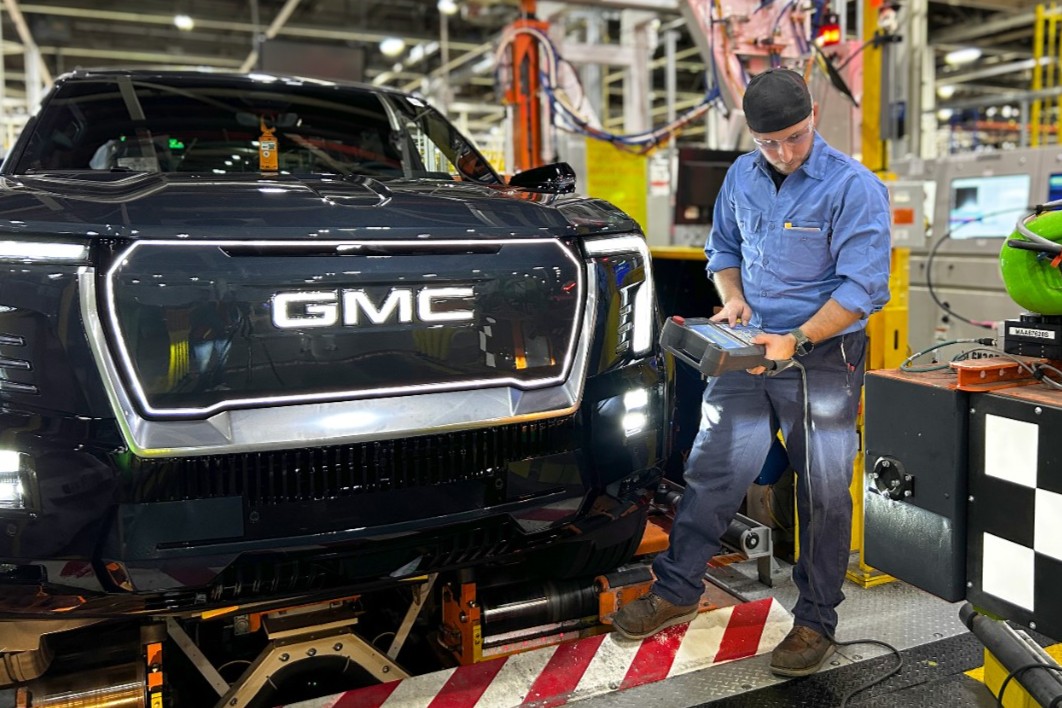
General Motors has suspended production at its Factory Zero electric vehicle plant in Detroit-Hamtramck for four weeks, placing around 1,300 workers on temporary layoff as it adjusts output to weaker-than-expected demand.
The company said production was halted on March 16 and is scheduled to resume on April 13. “Factory ZERO will temporarily adjust production to align EV production with market demand,” a GM spokesperson said. “Impacted employees will be placed on a temporary layoff and may be eligible for subpay and benefits in accordance with the GM-UAW national contract.”
Factory Zero produces several of GM’s flagship electric models, including the GMC Hummer EV, Cadillac Escalade IQ, Chevrolet Silverado EV, and GMC Sierra EV. Demand for these vehicles has remained subdued, prompting repeated production adjustments.
The latest pause follows earlier measures to scale back output, including reduced production between September and October 2025 and a similar slowdown in April 2025. GM also laid off 1,140 employees at the facility late last year.
Like Ford Motor and Stellantis, GM had previously invested heavily in electric vehicle production, anticipating faster adoption. However, shifting market conditions and policy changes have weighed on demand, particularly after the $7,500 federal tax credit for new EV purchases was scrapped in September 2025 following the inauguration of Donald Trump earlier that year.
The company has taken additional steps to manage costs. GM recorded a $1.6 billion write-down in October, followed by a further $6 billion impairment in January. While it maintains that electric models from Cadillac, Chevrolet and GMC will remain part of its lineup, the company discontinued its electric delivery van brand BrightDrop in October.
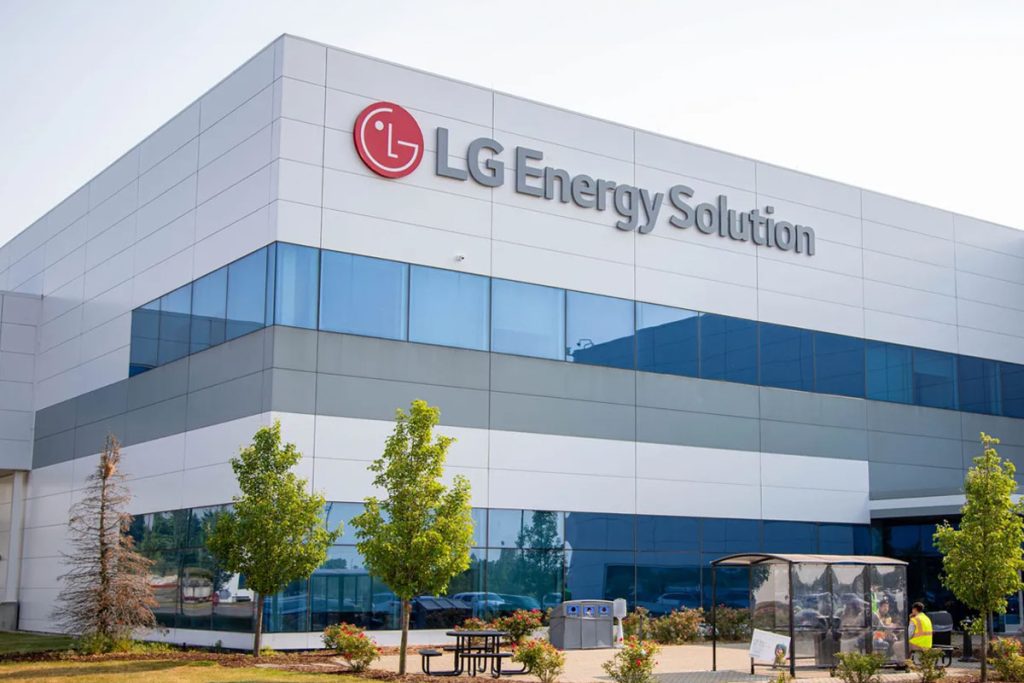
GM is also rebalancing its manufacturing footprint. Production at its Orion plant in Michigan is being shifted from battery-electric vehicles back to internal combustion SUVs and pickup trucks. Additionally, the company has sold its stake in a battery cell plant in Lansing, Michigan, to its joint venture partner LG Energy Solution.
The production pause underscores the challenges facing automakers as they navigate fluctuating demand and policy uncertainty in the transition to electric mobility.
Source: Reuters