
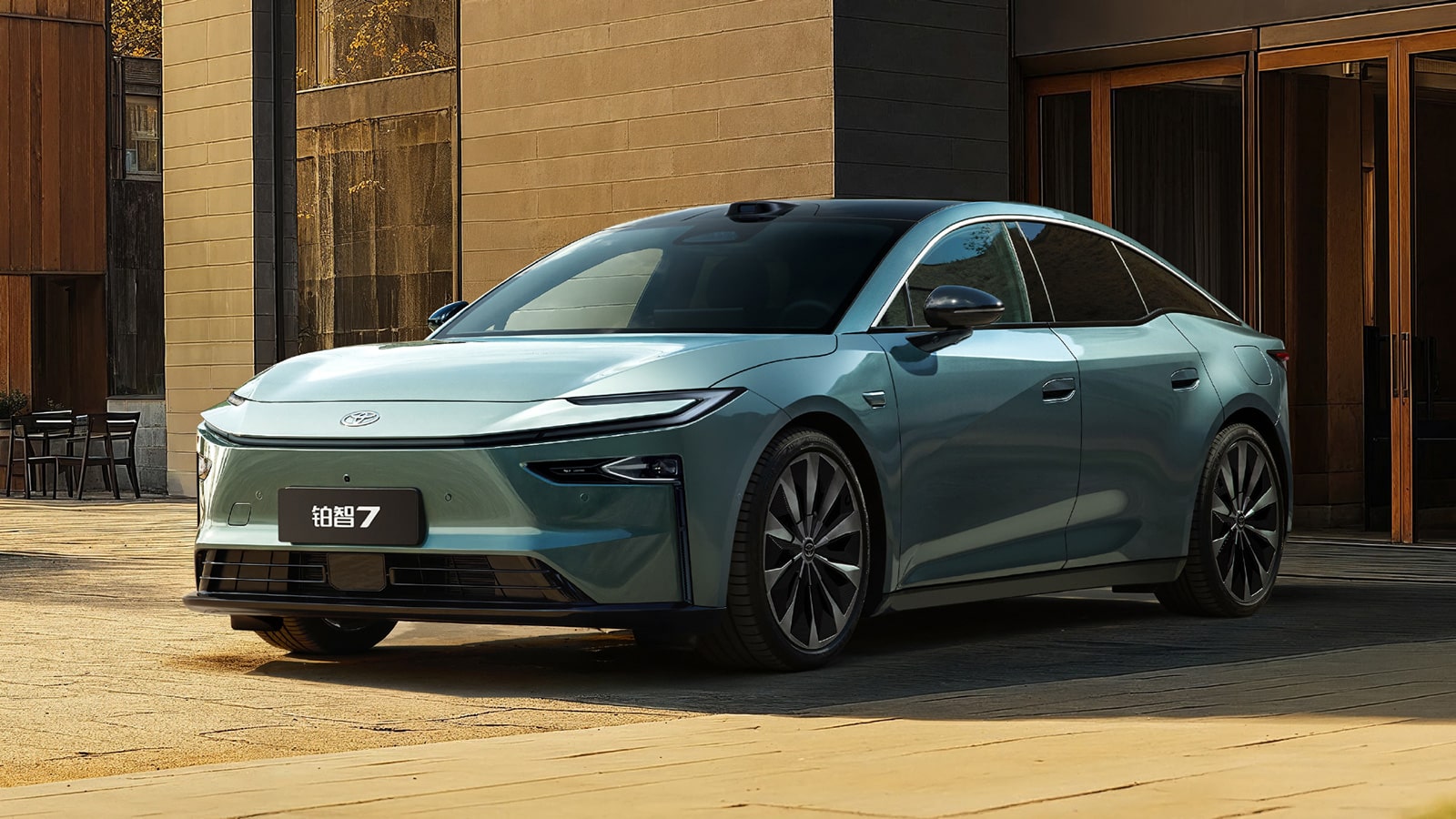
GAC Group plans to issue shares to acquire China FAW’s 50% stake in FAW Toyota, a transaction that would bring the Toyota joint venture into GAC’s portfolio and deepen cooperation between the two Chinese automakers.
GAC disclosed the proposed transaction in a preliminary restructuring plan on Monday, identifying the previously unnamed FAW-held joint venture. GAC’s board approved the plan, and trading in its A-shares is scheduled to resume at the market open on September 29 after being suspended since September 14.
Share-Based Acquisition Targets FAW Toyota
Under the preliminary plan, shares issued to China FAW would be priced at 5.75 yuan ($0.85) each. GAC said the final transaction value and number of shares to be issued have not yet been determined because audit and valuation work remains incomplete.
Following completion, China FAW is expected to become GAC’s second-largest shareholder, while FAW Toyota would become a joint venture of GAC. GAC’s ultimate controlling shareholder would remain the Guangzhou State-owned Assets Supervision and Administration Commission.
The transaction would give GAC interests in Toyota’s northern and southern China joint ventures through FAW Toyota and GAC Toyota, respectively.
GAC and FAW Toyota to Coordinate Operations
GAC said the transaction could enable greater coordination between FAW Toyota and GAC Toyota in research and development, production, supply chains and sales.
The company plans to coordinate localized research and development, supply chains, manufacturing facilities and market expansion resources between the two Toyota joint ventures. GAC said the approach could reduce duplicated investment and allow the companies to share the costs associated with technological development.
FAW Toyota operates vehicle manufacturing and supporting engine facilities in Tianjin, Changchun and Chengdu. Its product lineup includes gasoline-powered vehicles, hybrids and battery electric vehicles.
Combined sales from FAW Toyota and GAC Toyota represented 17.03% of China’s joint-venture passenger vehicle sales in 2025, based on China Association of Automobile Manufacturers data cited in GAC’s restructuring plan.
Profitability Under Pressure
GAC said the acquisition is also intended to strengthen its earnings. The company reported a net loss attributable to shareholders in 2025, which it attributed to factors including intense price competition, lower earnings from joint ventures and investment related to its business transformation.
FAW Toyota has also experienced pressure on profitability. Unaudited figures showed revenue increased to 108.62 billion yuan in 2025 from 106.57 billion yuan in 2024, while net profit declined to 4.23 billion yuan from 4.72 billion yuan.
For the first half of 2026, FAW Toyota reported revenue of 40.73 billion yuan and net profit of 1.01 billion yuan.
GAC said continued price competition, together with investment in electrification and intelligent vehicle technologies, could place further pressure on its profitability. The company expects the acquisition to contribute positively to investment income and net profit but said the financial impact cannot yet be accurately quantified.
Additional Fundraising Planned
GAC also plans to issue shares to no more than 35 qualified investors to raise funds for FAW Toyota projects, working capital, debt repayment and transaction-related expenses.
The supporting fundraising would be capped at 100% of the acquisition price, although the final amount has not been determined. GAC said completion of the FAW Toyota acquisition would not depend on the success of the additional fundraising.
The proposed transaction comes as China promotes consolidation in its automotive industry. The country’s recently released 15th five-year plan for the intelligent connected new energy vehicle industry called for greater efforts to promote mergers, acquisitions and cross-regional consolidation among automakers.
Deal Remains Subject to Multiple Approvals
The transaction still requires completion of audit and valuation procedures, a further review by GAC’s board, shareholder approval, review by the Shanghai Stock Exchange and registration with the China Securities Regulatory Commission, among other regulatory procedures.