





Researchers at Fraunhofer IFAM are developing a new electrochemical process to recover critical raw materials such as lithium, cobalt and nickel from used batteries, as part of the MeGaBat project aimed at improving recycling efficiency and sustainability.
The initiative, short for “Methods for the electrochemical recovery of active battery materials,” offers an alternative to conventional hydrometallurgical recycling techniques, which typically rely on energy-intensive processes and chemical inputs. The new approach is designed to reduce both carbon emissions and energy consumption while avoiding the use of acids and alkalis.
“At the same time, the electrochemical method is intended to ensure that valuable raw materials and rare earths at high yield and high purity, thereby closing the product loop and reducing dependencies,” said Julian Schwenzel, Head of Electrical Energy Storage at Fraunhofer IFAM.
The process works by directing wastewater generated during battery recycling into an electrochemical reactor equipped with specially designed electrodes. These electrodes, developed using screen-printing techniques, selectively capture and store metal ions from the liquid stream.
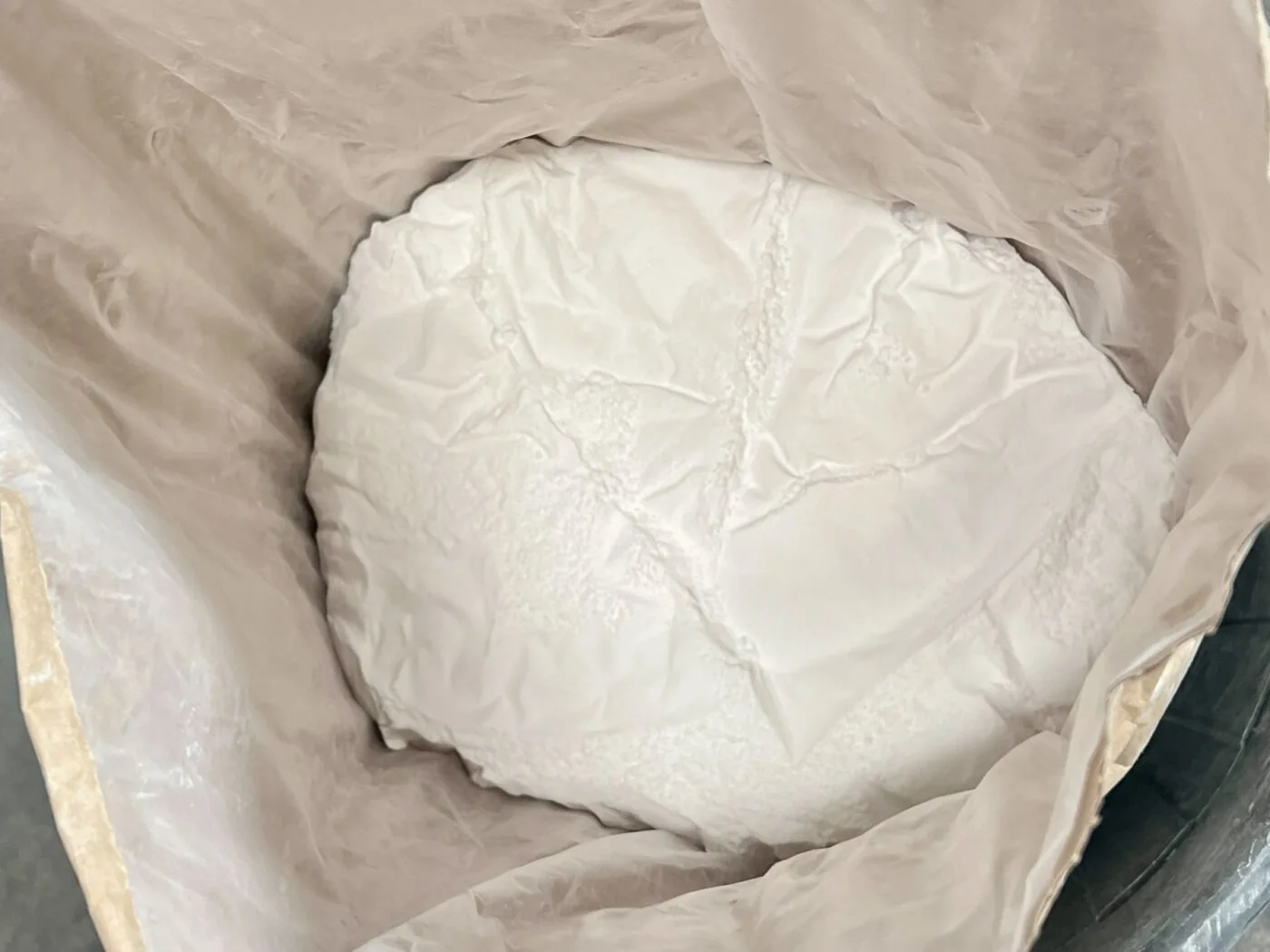
“With their special properties, the electrodes selectively extract and store ions from the wastewater,” said Cleis Santos, who leads the group for electrochemical processes for recycling and water treatment. “This enables them to extract, for example, lithium ions, and we then obtain the separated substance as a high-purity powder at the end of the process.”
Once materials are extracted, the cleaned water is returned to the recycling system. The researchers say the electrodes can be adapted to recover additional materials, including cobalt, nickel and copper, with potential future applications in extracting rare earth elements.
“In the long term, it is conceivable that wastewater could be routed through multiple reactors in a large-scale system,” Santos said. “We could thus recycle various critical raw materials within the same plant.”
Fraunhofer IFAM estimates the process could improve efficiency by 30% to 40% compared with existing methods, while also increasing the purity of recovered materials.
Schwenzel noted that regulatory developments in Europe are likely to increase demand for such technologies. “In the future, EU regulations will require that manufacturers more frequently declare their total carbon footprint from raw material to finished product, and new products must also contain a greater fraction of recycled material,” he said. “Efficiency and quality of recovery are therefore becoming increasingly important.”
The technology has been successfully tested at laboratory scale, and the research team is now working toward a pilot plant. Beyond battery recycling, the system could also be applied to recovering rare earth elements from electronic waste, as well as in areas such as seawater desalination and hospital wastewater treatment.
“So far, we’ve had to import 100 per cent of our rare earth elements. Our process would enable us to reduce this dependency,” Santos added.
The project is scheduled to run until 2028 and is funded by the German Federal Ministry for Research, Technology and Space. Researchers plan to present a model of the process at Hannover Messe 2026, taking place from April 20 to 24.


