


Fortescue is stepping up its decarbonisation strategy by investing heavily in zero-emission mining equipment, with executives and analysts pointing to both environmental and financial benefits. The Australian miner is saving between $300 million and $400 million annually in fuel costs as it replaces diesel machines across its global operations.
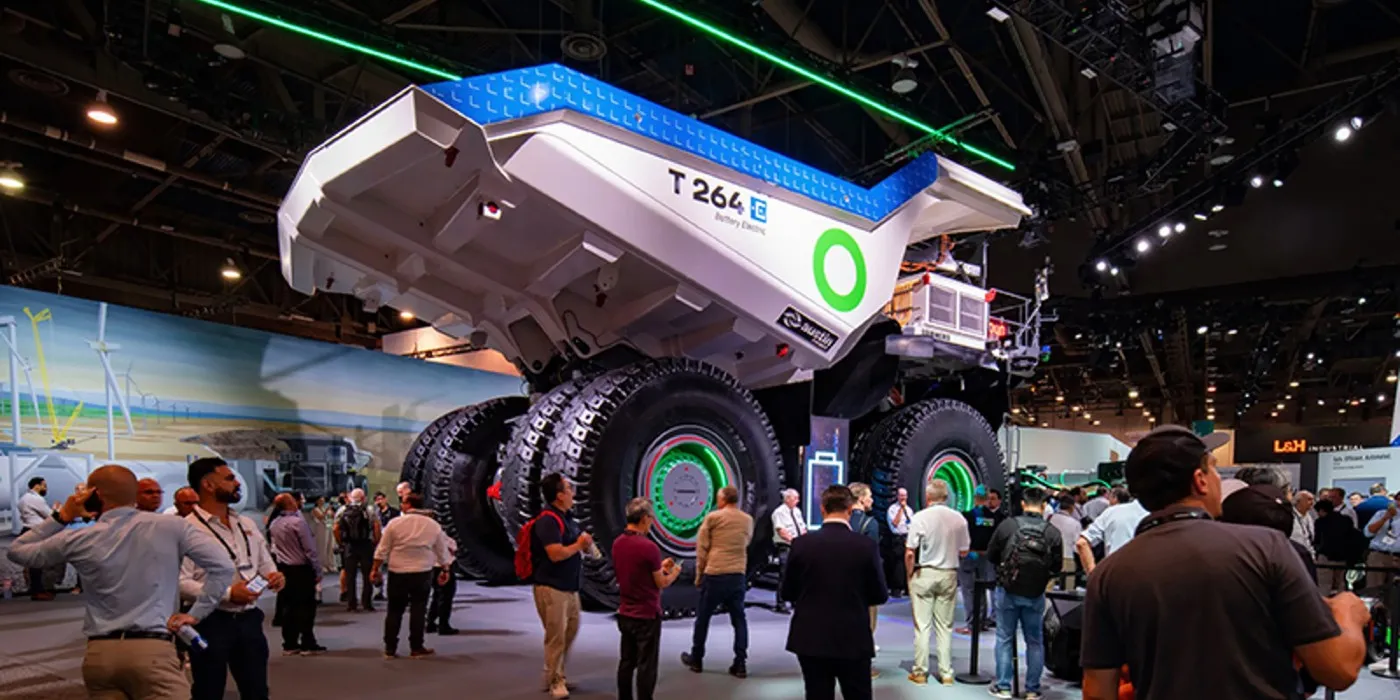
The company has signed multi-billion-dollar deals with global equipment suppliers to support its plan to eliminate Scope 1 and 2 terrestrial emissions by 2030. These include a $4 billion order for 360 Liebherr T264 battery-electric haul trucks, as well as more than $400 million worth of equipment from Chinese manufacturer XCMG.
“We’re moving rapidly to decarbonize our Pilbara iron ore operations and eliminate our Scope 1 and 2 terrestrial emissions by 2030,” said Fortescue Metals Chief Executive Officer, Dino Otranto, when the XCMG order was announced. “To achieve this target, we will need to swap out hundreds of pieces of diesel mining equipment at the end of their life with zero emissions alternatives.”
The Liebherr T264 haul trucks, already operating at Fortescue mines, feature electric motors powered by a 3.2 MWh battery and can carry payloads of more than 240 tonnes. The batteries can be recharged in just over 30 minutes using Liebherr’s proprietary 6 MW DC fast charger. Analysts say this shift is reshaping expectations in the sector. “Fuel and energy costs are Fortescue’s biggest operating costs as well as largest source of emissions. By electrifying operations like this it will be able to kill two birds with one stone,” said Gavin Mooney, general manager at energy software platform Kaluza.
Fortescue has already moved millions of tonnes of material with battery-electric equipment over the past two years. The company says these investments not only cut emissions but also improve worker safety and lower operating costs, positioning it at the forefront of a global push to decarbonise mining.


