
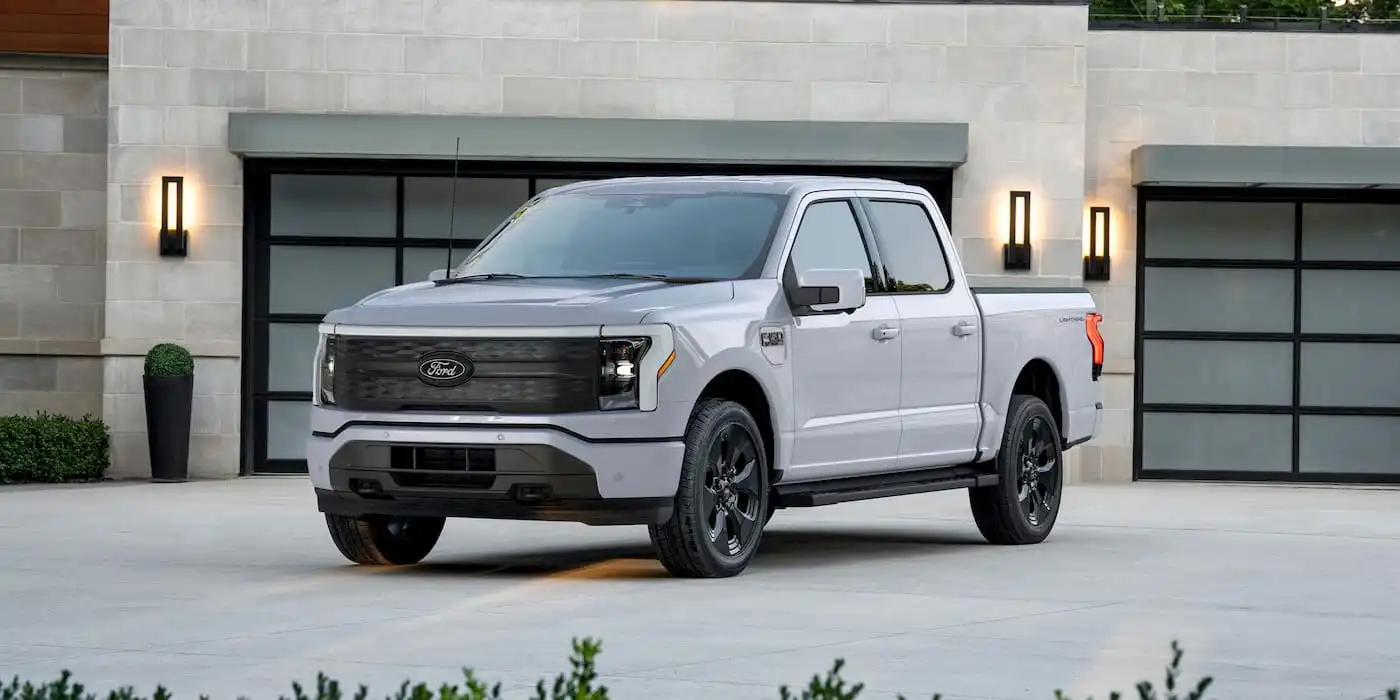
Ford Motor’s electric vehicle sales in the United States fell sharply in November following the expiration of the $7,500 federal EV tax credit, underscoring the challenges facing the automaker’s battery-electric business as it shifts toward lower-cost models and tighter spending discipline.
Ford sold 166,373 vehicles in the U.S. in November, down 0.9% from a year earlier. While hybrid vehicle sales rose 13.6% to 16,301 units, fully electric vehicle sales plunged 60.8% to 4,247 units, compared with more than 10,800 vehicles sold in the same month last year.
See also: Ford to Expand BlueCruise Hands-Free System to More European Models by 2026
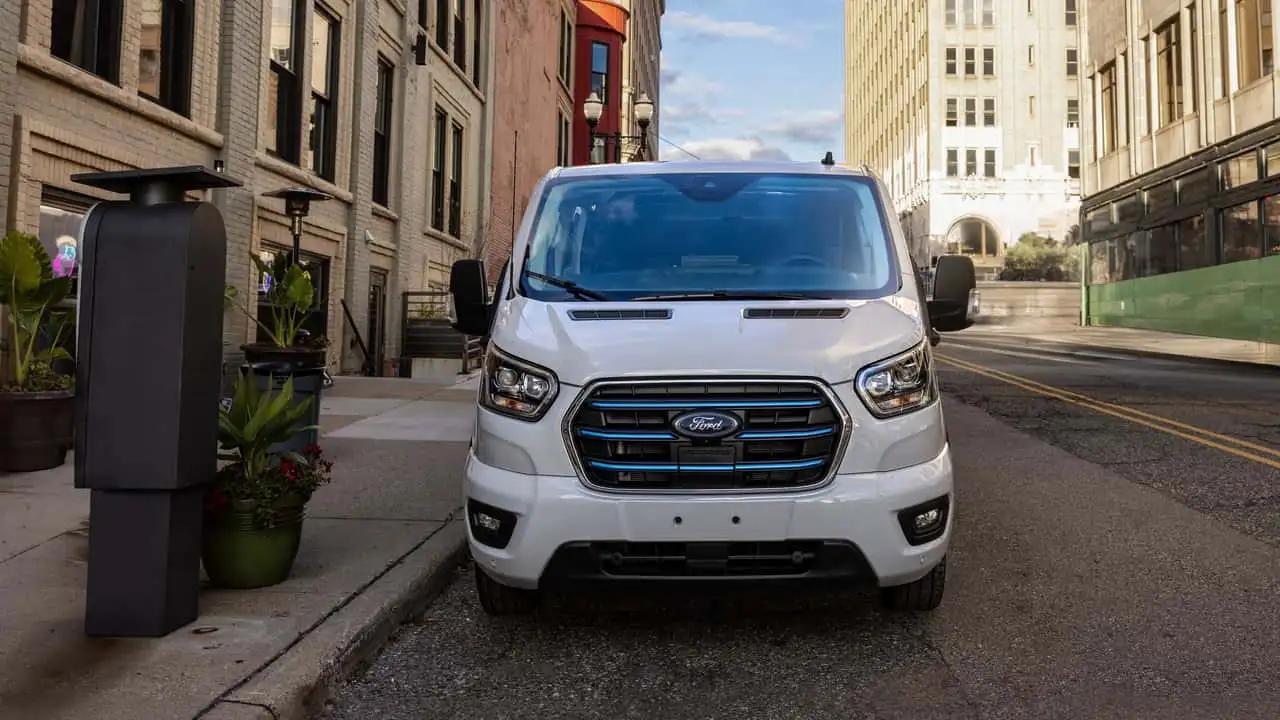
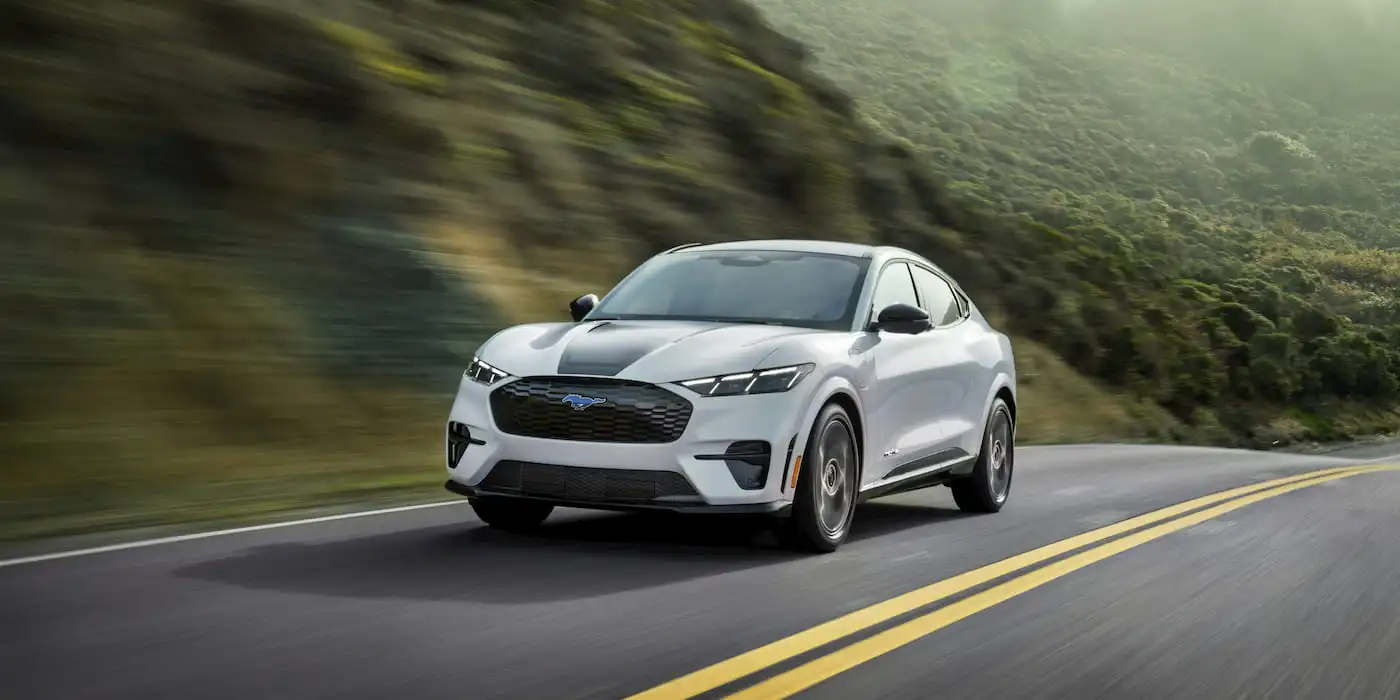
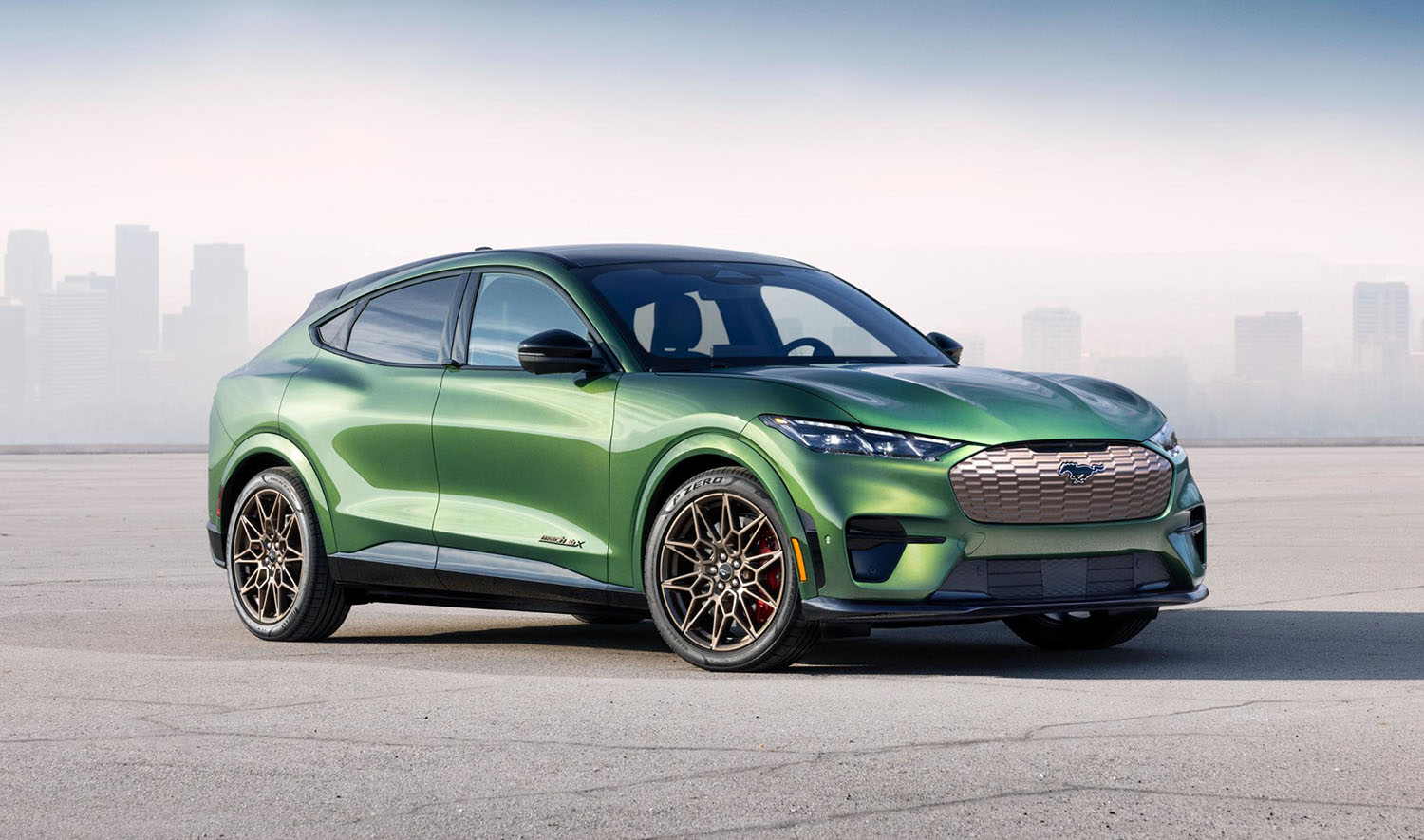
Sales of the Mustang Mach-E dropped 49% to 3,014 units, while the F-150 Lightning fell 72% to 1,006 units. Deliveries of the E-Transit electric van also declined sharply, down 82% to 227 units. The slump followed the loss of federal purchase incentives at the end of September, which had helped lift EV demand earlier in the year.
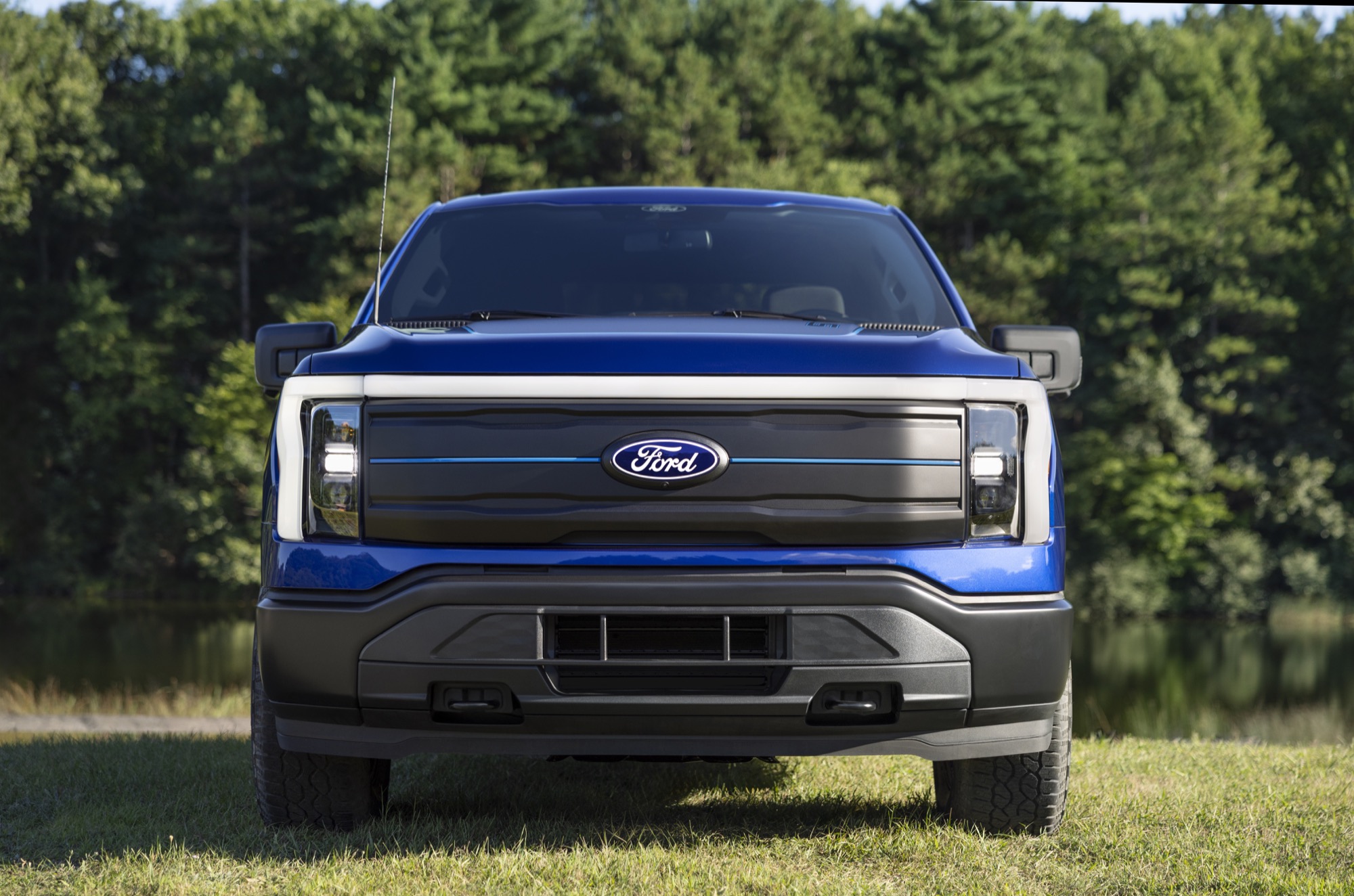
The decline comes as Ford reassesses parts of its electric pickup strategy. The Wall Street Journal reported last month that Ford is considering scrapping the F-150 Lightning altogether. Ford has said production of the electric pickup remains paused following a fire at aluminum supplier Novelis’ plant in New York, which disrupted key material supply. The company said it would prioritise gasoline and hybrid vehicles that require less aluminum and offer better margins.
See also: Ford Launches Electric Bronco Pre-Sales in China With Starting Price of RMB 229,800
Ford’s EV unit, Model e, posted another $1.4 billion operating loss in the third quarter, bringing year-to-date losses to $3.6 billion through September. About $3 billion of the losses were linked to current-generation EVs such as the Mach-E and F-150 Lightning, while roughly $600 million was spent developing next-generation electric vehicles.
Ford is now reshaping its EV strategy around its upcoming Universal EV Platform (UEV), which will underpin a new generation of smaller and more affordable electric vehicles. The first model based on the platform will be a midsize electric pickup, similar in size to the Ranger or Maverick, due in 2027 with a starting price of about $30,000.
Ford Chief Executive Jim Farley said cost reduction is the central goal of the new architecture. “First of all, the UEV was designed for two priorities: the lowest possible cost platform with multiple top hats in one facility and designed to really compete in the heart of what we believe is the new EV market in North America, which is affordable commuter vehicles,” Farley told investors during Ford’s third-quarter earnings call. “We think this product’s literally at the center of the future of the EV market in the U.S.,” he added.
Farley has also warned that EV adoption is likely to slow in the near term now that federal incentives have expired. U.S. EV market share reached record levels in the third quarter as buyers rushed to secure the tax credit before it ended, but Farley said adoption could stabilise at around 5% of total vehicle sales, down from 10–12% seen in September.
See also: Ford’s 2026 Puma Gen-E to Offer Over 400 km Range with Updated Battery
Ford continues to face broader pressures beyond sales performance. Last month, the automaker was hit with a proposed class action lawsuit in California over claims that some 2024 F-150 Lightning trucks were sold without a promised Forward Sensing safety feature, according to a court filing cited by Car Complaints. Ford has also expanded its retail channels, announcing in November that it will begin offering certified pre-owned vehicles through Amazon Autos, a year after launching new-car sales on the e-commerce platform with Hyundai.