



Farasis Energy, backed by Mercedes-Benz, disclosed new details about its solid-state battery program, confirming progress toward pilot production and small-batch deliveries for strategic partners, according to a company filing and reports by IT-Home.
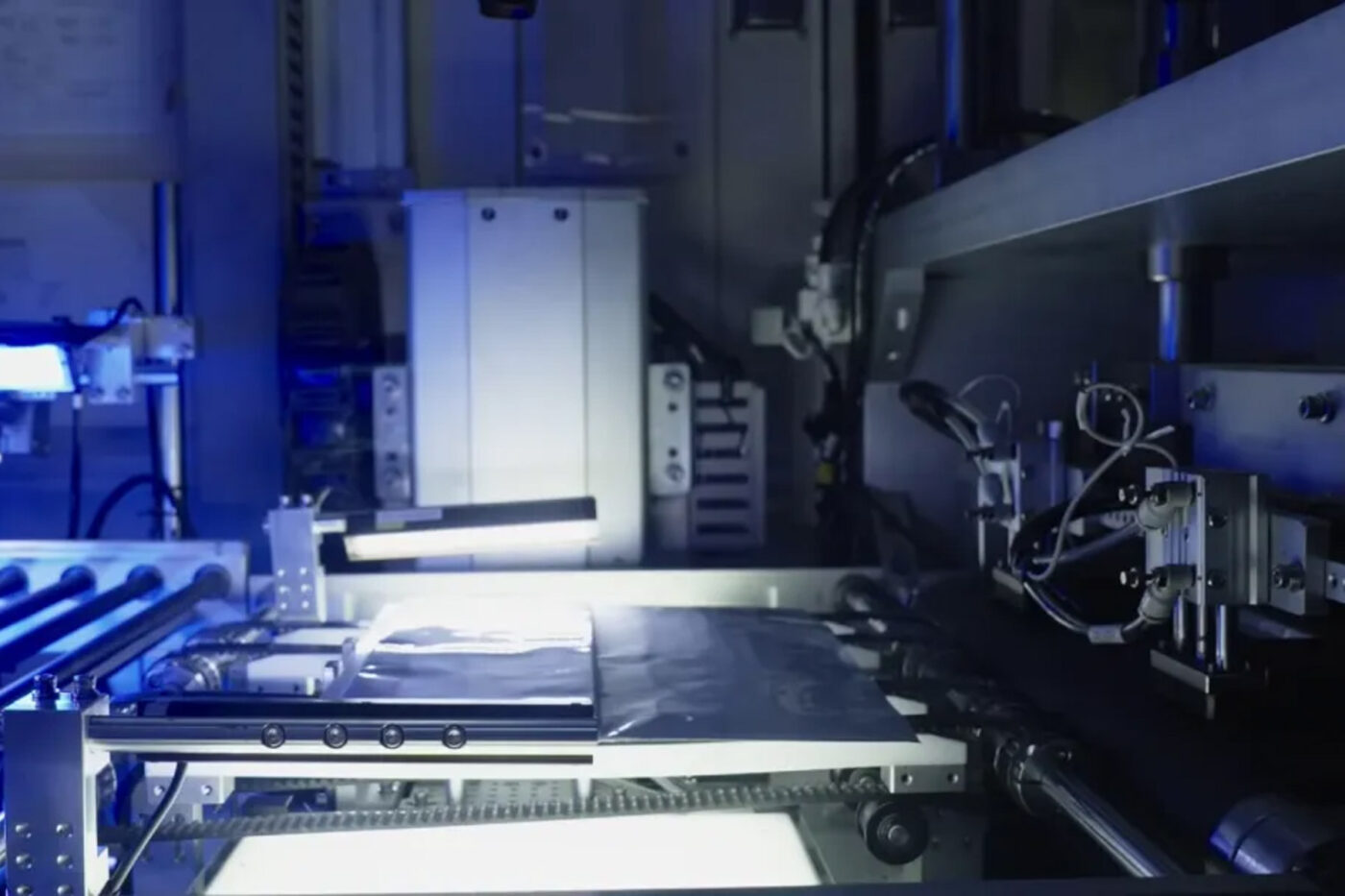
During an investor relations meeting on September 15, Farasis said it is accelerating research, pilot production, and industrialisation of sulfide-based all-solid-state batteries. The company’s first-generation solid-state cells, combining high-nickel ternary cathodes with high-silicon anodes, have moved beyond laboratory testing and are entering pilot production. Construction of a 0.2 GWh pilot line is underway, with initial product delivery planned by the end of 2025. The cells are designed to achieve energy densities of 400–500 Wh/kg.
Farasis also outlined plans for second- and third-generation products. The second-generation cells, featuring lithium-metal anodes paired with lithium-rich manganese-based or high-nickel ternary cathodes, are projected to reach 500 Wh/kg and are scheduled for 2026. The third-generation product, targeting energy densities above 500 Wh/kg, is expected in 2027.
The company highlighted that its semi-solid-state batteries are already in commercial use at gigawatt-hour scale, with costs 5–10% higher than conventional liquid batteries. Farasis anticipates shipments to expand significantly by 2026 as designated projects ramp up. Current production facilities in Zhenjiang, Ganzhou, and Guangzhou will support the transition to solid-state battery production at gigawatt-hour levels.
Farasis confirmed ongoing projects with customers including Xpeng AeroHT, GAC Group, and a leading domestic new energy commercial vehicle manufacturer. These projects aim to support applications in urban air mobility, robotics, and other emerging sectors.
Additionally, Farasis said it has delivered samples of a first-generation solid-state battery for humanoid robots, with joint development ongoing. These cells, using a sulfide solid electrolyte, high-nickel cathode, and high-silicon anode, reach 400 Wh/kg and have passed nail penetration, 250°C thermal, and shear tests. The company is customising battery design for lightweight, long-range, and high-safety applications in robotics, separate from its automotive power battery products.


