
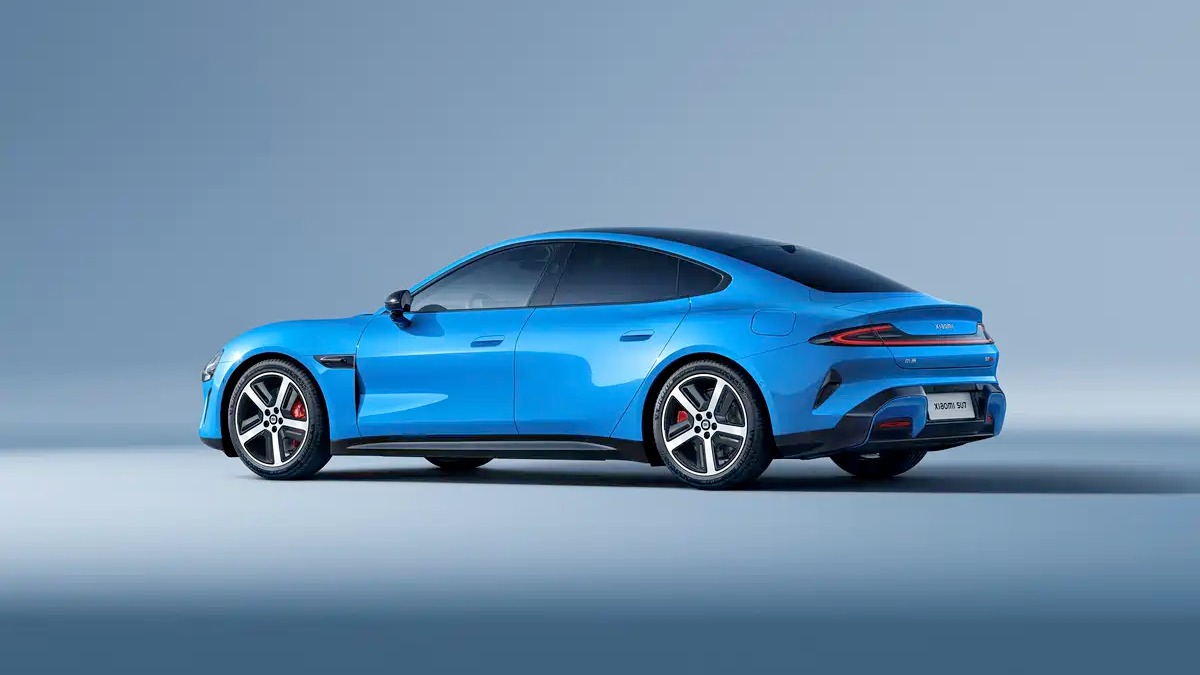
Xiaomi has unveiled a refreshed version of its SU7 electric sedan, bringing notable upgrades across design, performance, safety, and driving assistance. The updated SU7 enters pre-sales with a higher starting price but also introduces a broader set of standard features across all trims, positioning it more competitively in China’s fast-evolving EV market.
Pricing and Availability
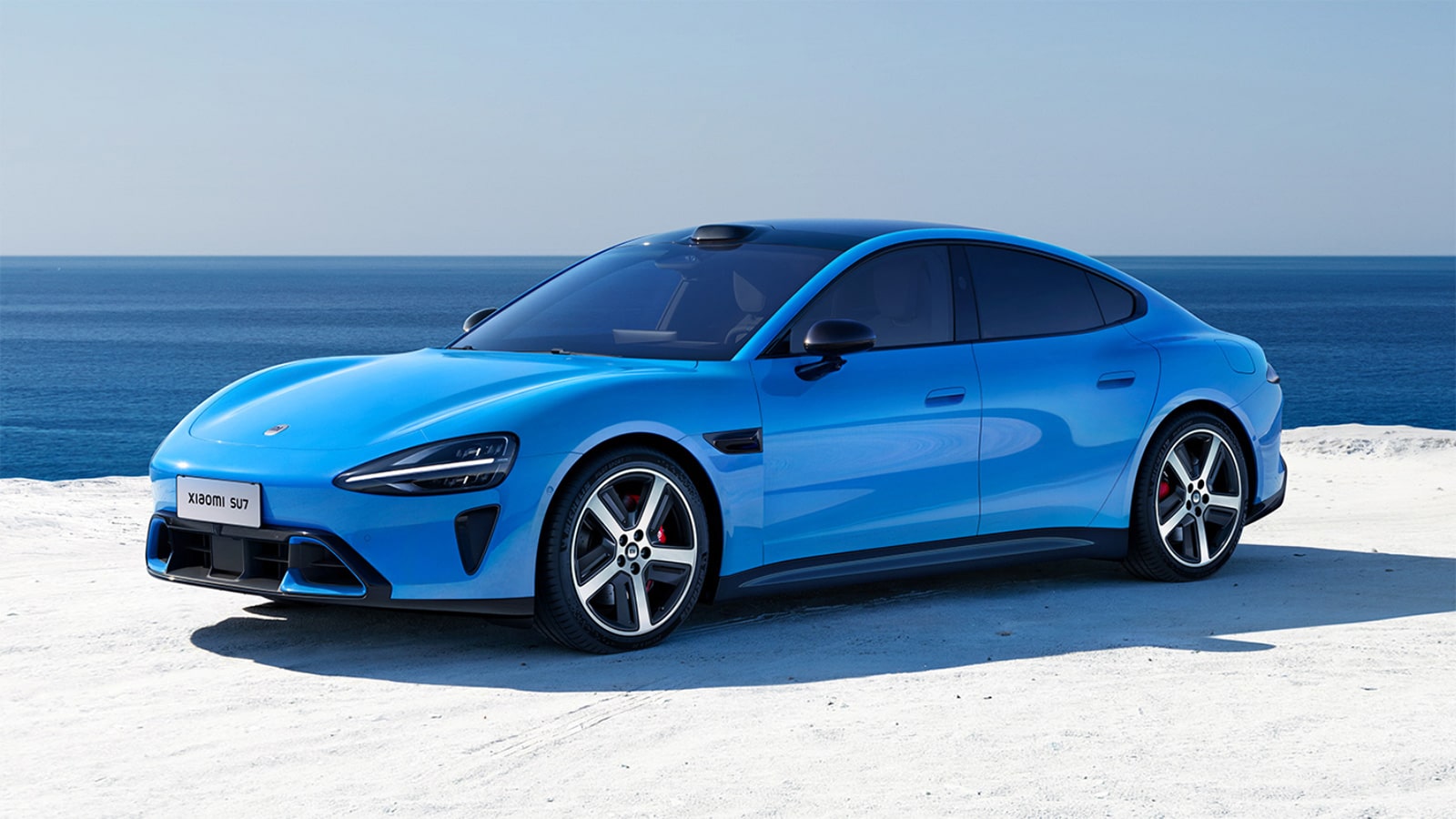
The refreshed Xiaomi SU7 lineup starts at 229,900 yuan ($32,800) and tops out at 309,900 yuan ($44,300). This represents a price increase of 10,000–14,000 yuan ($1,400–$2,000) compared with the current models. As is common in China’s EV market, Xiaomi has indicated that official launch prices could be adjusted lower when sales formally begin.
Customers who have already placed reservations for the existing SU7 but have not yet taken delivery can upgrade to the refreshed model until January 10 at 24:00, while retaining their original purchase tax subsidies and production priority.
Exterior Updates
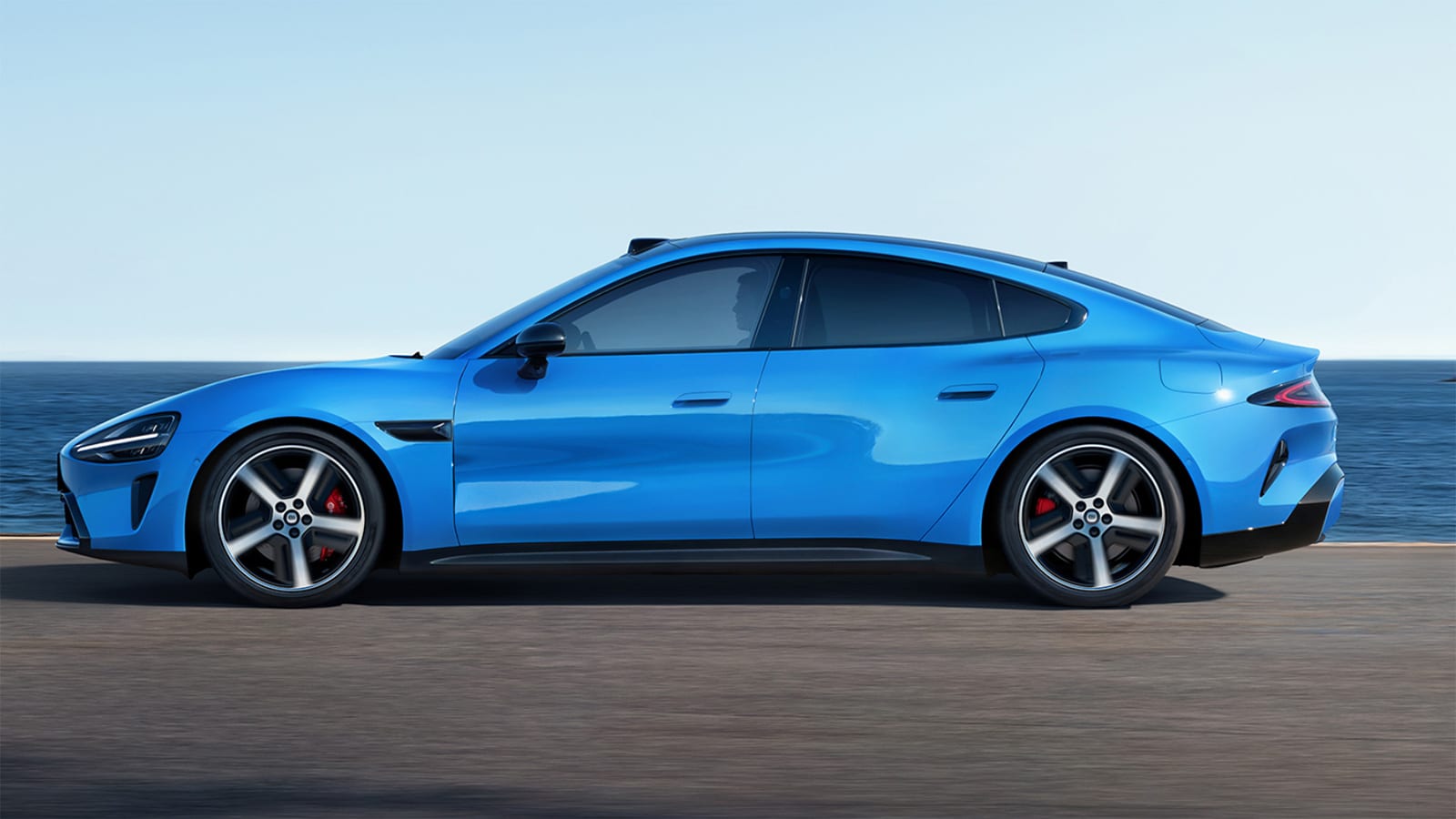
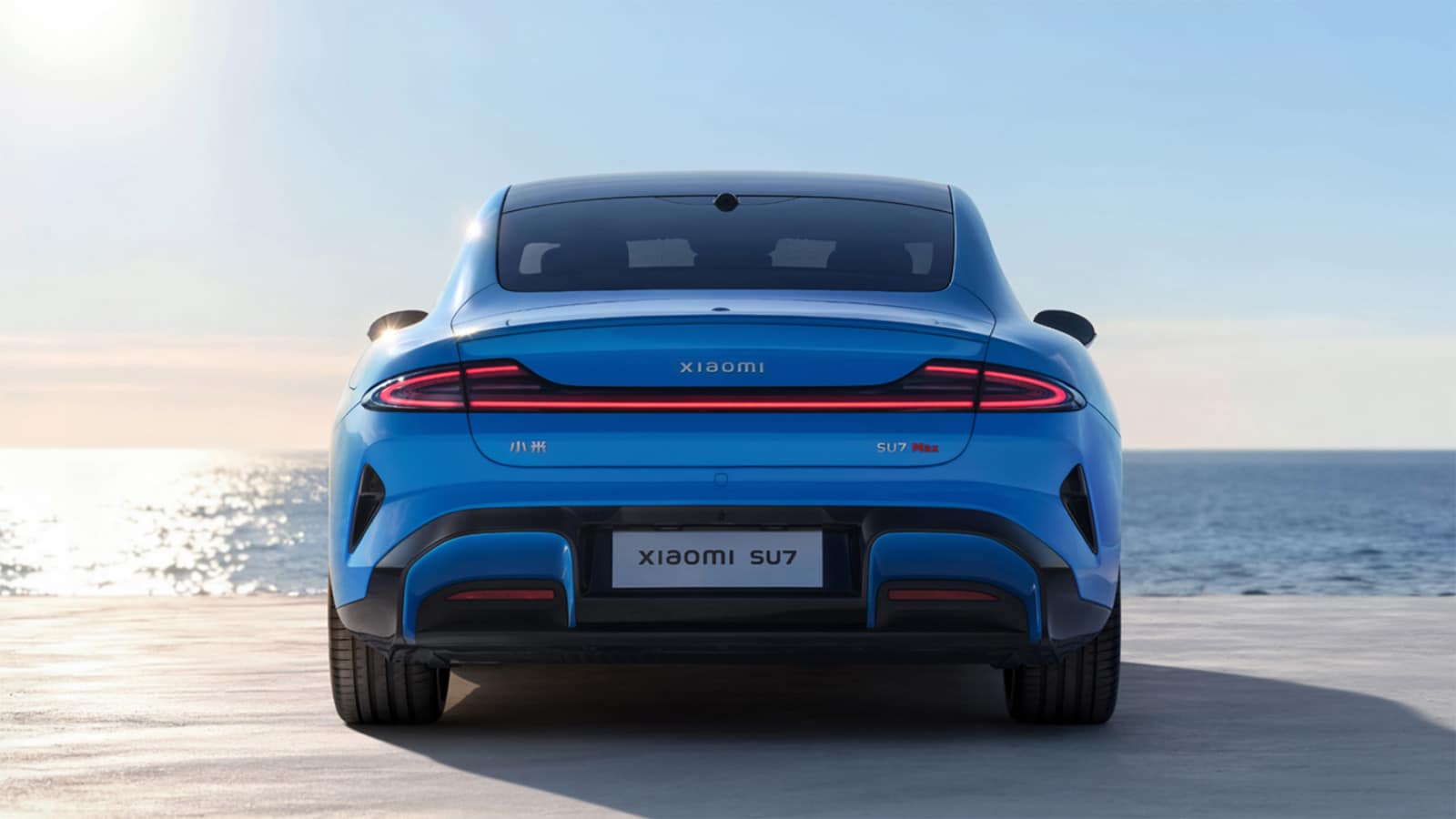
The refreshed SU7 retains its overall design language but receives subtle refinements:
-
Optimized front grille design
-
New Capri Blue exterior color, joining the existing Bay Blue
-
Standard 20-inch wheels across all trims
-
Wider rear tires: 245 mm front / 265 mm rear (previously 245 mm front and rear)
-
Four-piston fixed front brake calipers now standard on all versions, enhancing braking performance and rear-end grip
Interior Enhancements
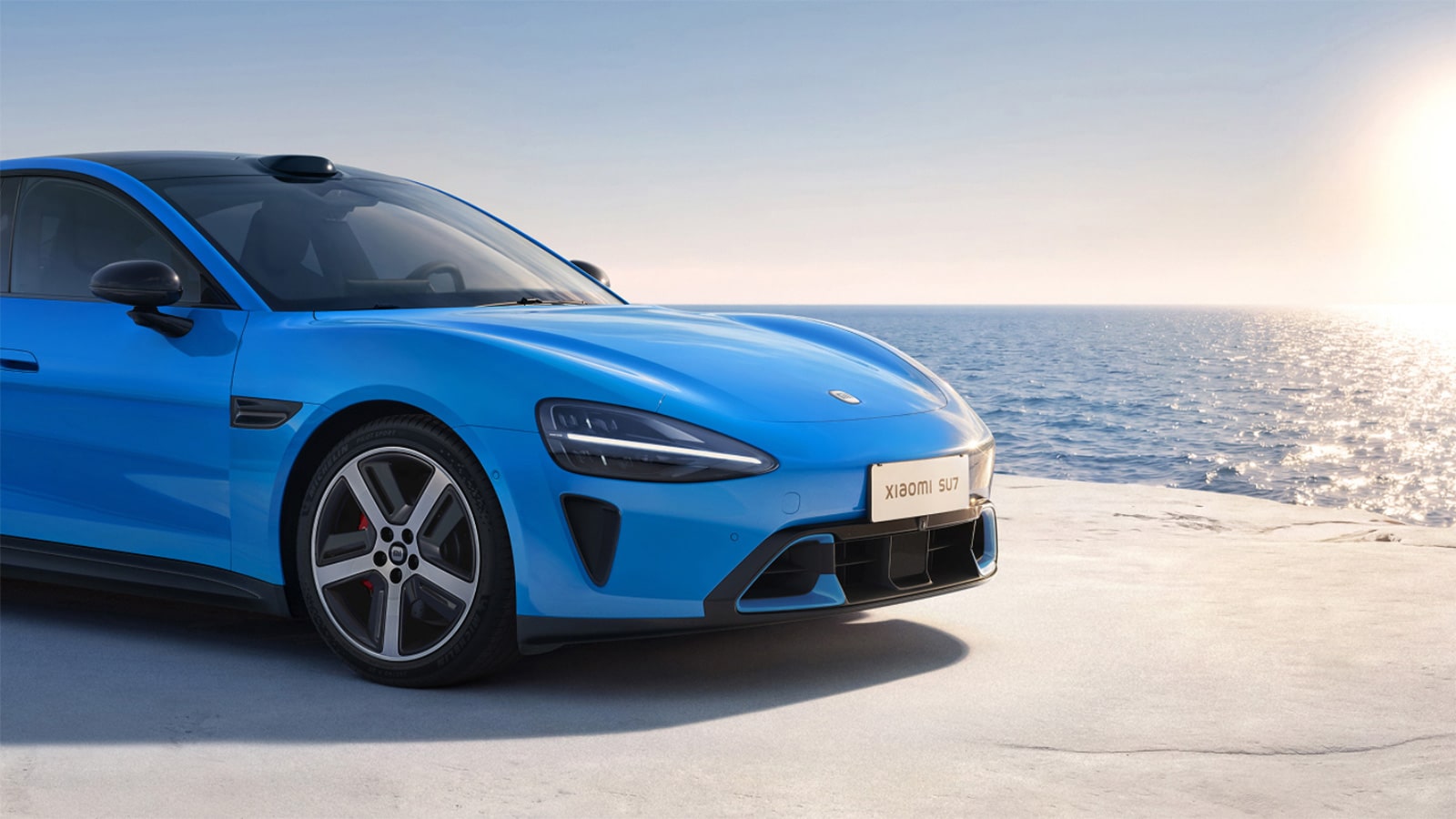
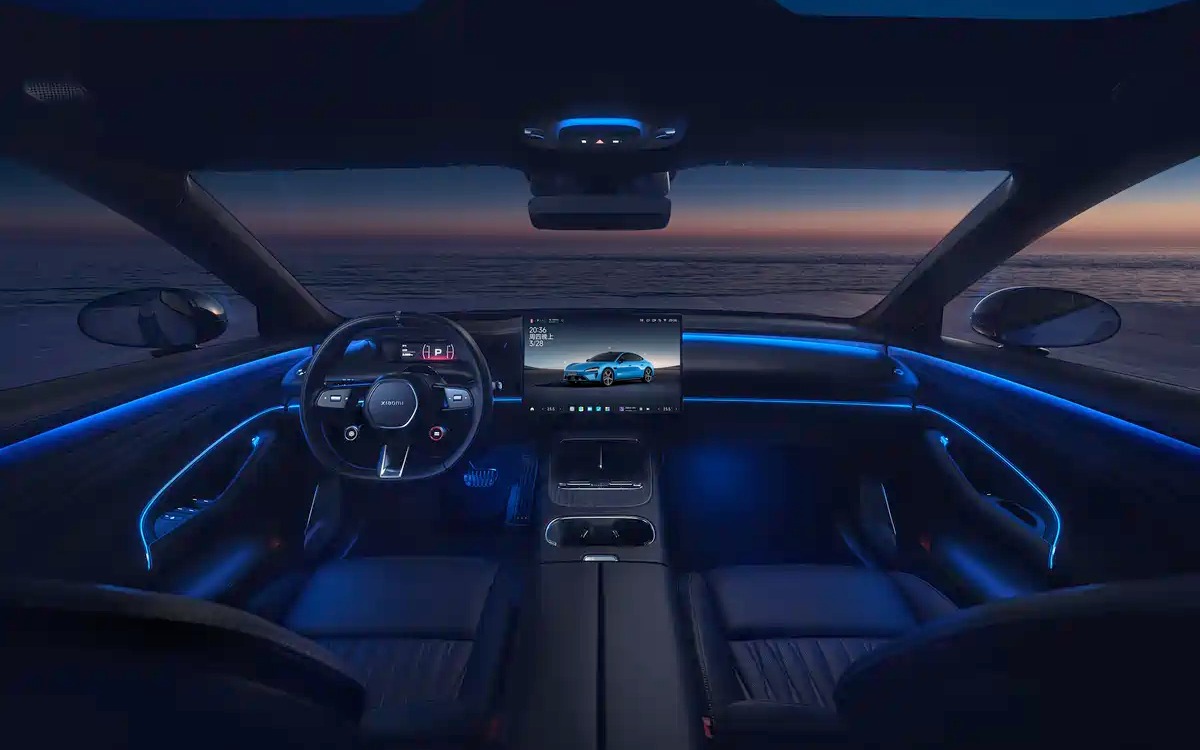
Inside the cabin, Xiaomi has focused on materials and detailing rather than radical redesign:
-
New Dark Black interior option alongside Obsidian Black
-
Updated steering wheel design
-
Refined detailing on the secondary instrument panel, door panels, and seat stitching
These changes aim to improve perceived quality and visual consistency across the range.
Driving Assistance and Computing Hardware
One of the most significant updates is the standardization of advanced driver assistance hardware:
-
LiDAR now standard across all models, including the entry-level version
-
Inclusion of the “small blue light” driver assistance indicator
-
Unified computing power of 700 TOPS across the lineup, up from a previous maximum of 508 TOPS
-
All variants now feature Xiaomi HAD driving assistance
Previously, the base rear-wheel-drive long-range model lacked LiDAR and used lower-performance computing hardware.
Safety Improvements
Safety has been a major focus in the refreshed SU7:
-
Airbags increased from 7 to 9 across all trims
-
Upgraded body structure featuring 2,200 MPa hot-formed steel door anti-collision beams, replacing the earlier 2,000 MPa design
-
Standard embedded anti-roll cage
-
New dedicated backup power system for door locks, ensuring operability in emergency situations
Powertrain and Performance
All refreshed SU7 models are now powered by Xiaomi’s V6s Plus motor, replacing the previous V6 and V6s units:
-
Standard and Pro models: output increased from 299 hp to 320 hp
-
Max model: combined output rises from 673 hp to 690 hp
The electrical architecture has also been upgraded:
-
Standard and Pro: move from 400V to 752V
-
Max: upgraded from 871V to 897V, approaching a 900V-class system
This enables significantly faster charging, particularly for the Max version, which can now add 670 km of CLTC range in 15 minutes, up from 510 km previously.
Range Improvements (CLTC)
Range figures have increased across the entire lineup:
-
Standard: from 700 km to 720 km
-
Pro: from 830 km to 902 km
-
Max: from 800 km to 835 km
These gains come from a combination of drivetrain efficiency improvements and platform upgrades.
Suspension Upgrades
Chassis and ride comfort have also been enhanced:
-
Previously exclusive to the Max model, dual-chamber air suspension with CDC adaptive dampers is now standard on both Pro and Max variants
-
This upgrade improves ride quality, handling stability, and adaptability across driving conditions
Overall Positioning
With broader standardization of LiDAR, higher computing power, improved safety structures, faster charging, and expanded air suspension availability, the updated Xiaomi SU7 represents a meaningful step up from its predecessor. While prices have increased, the specification changes significantly narrow the gap between trims and aim to justify the higher entry point ahead of the model’s official launch later this year.