


Electric car sales in the European Union continued to rise in September, with 167,586 new battery-electric vehicles (BEVs) registered—an increase of 20 per cent from the same month last year, according to the European Automobile Manufacturers’ Association (ACEA). From January through September, BEVs accounted for 16.1 per cent of total new car registrations across the bloc, matching their overall market share earlier in the year.
ACEA said a total of 1.3 million new battery-electric cars were registered in the first nine months of 2025. However, the association cautioned that this growth remains “still below the pace required at this stage of the transition,” with the EU aiming for all new car sales to be zero-emission by 2035. By comparison, BEVs represented only 13.1 per cent of new registrations by the same point last year.
See also: Tesla Model Y Reclaims Crown as Europe’s Best-Selling Car in September 2025

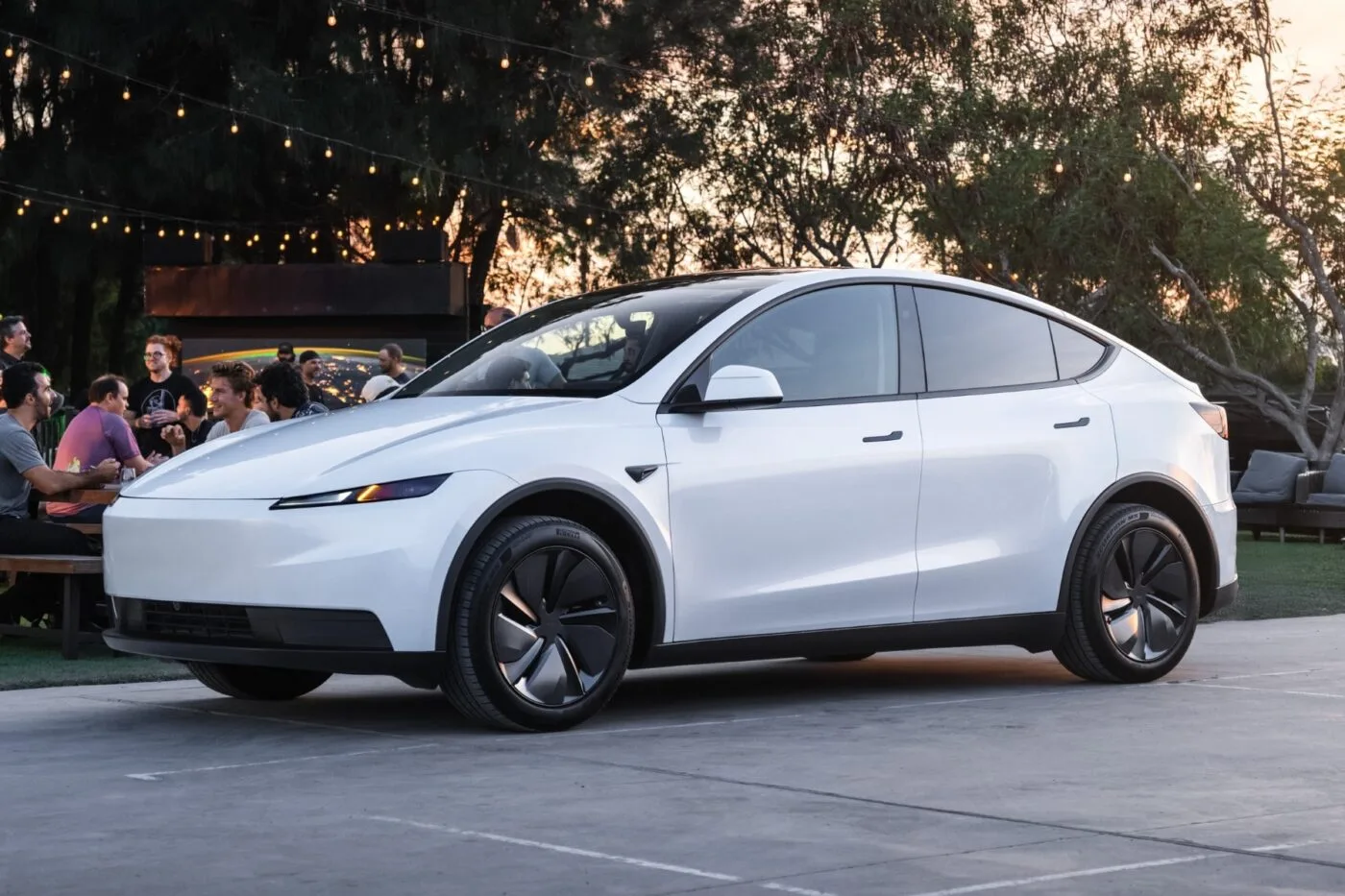
Market growth was driven largely by Germany, Belgium, and the Netherlands, which together accounted for 62 per cent of Europe’s new BEV registrations. Germany saw the strongest increase at 38.3 per cent, followed by Belgium at 12.4 per cent and the Netherlands at 3.9 per cent. France, another key market, recorded a marginal 0.2 per cent decline in BEV registrations for the year, despite an 11.2 per cent rise in September.
Hybrid electric vehicles (HEVs) continued to hold the largest market share, accounting for 34.7 per cent of all new registrations. ACEA noted that this category includes mild hybrids, which rely primarily on combustion engines and use electric motors only for brief assistance. In total, 2.79 million hybrids were registered across the EU, led by strong demand in France, Spain, Germany, and Italy.
See also: Cadillac Opens Orders for Optiq Electric SUV in Europe
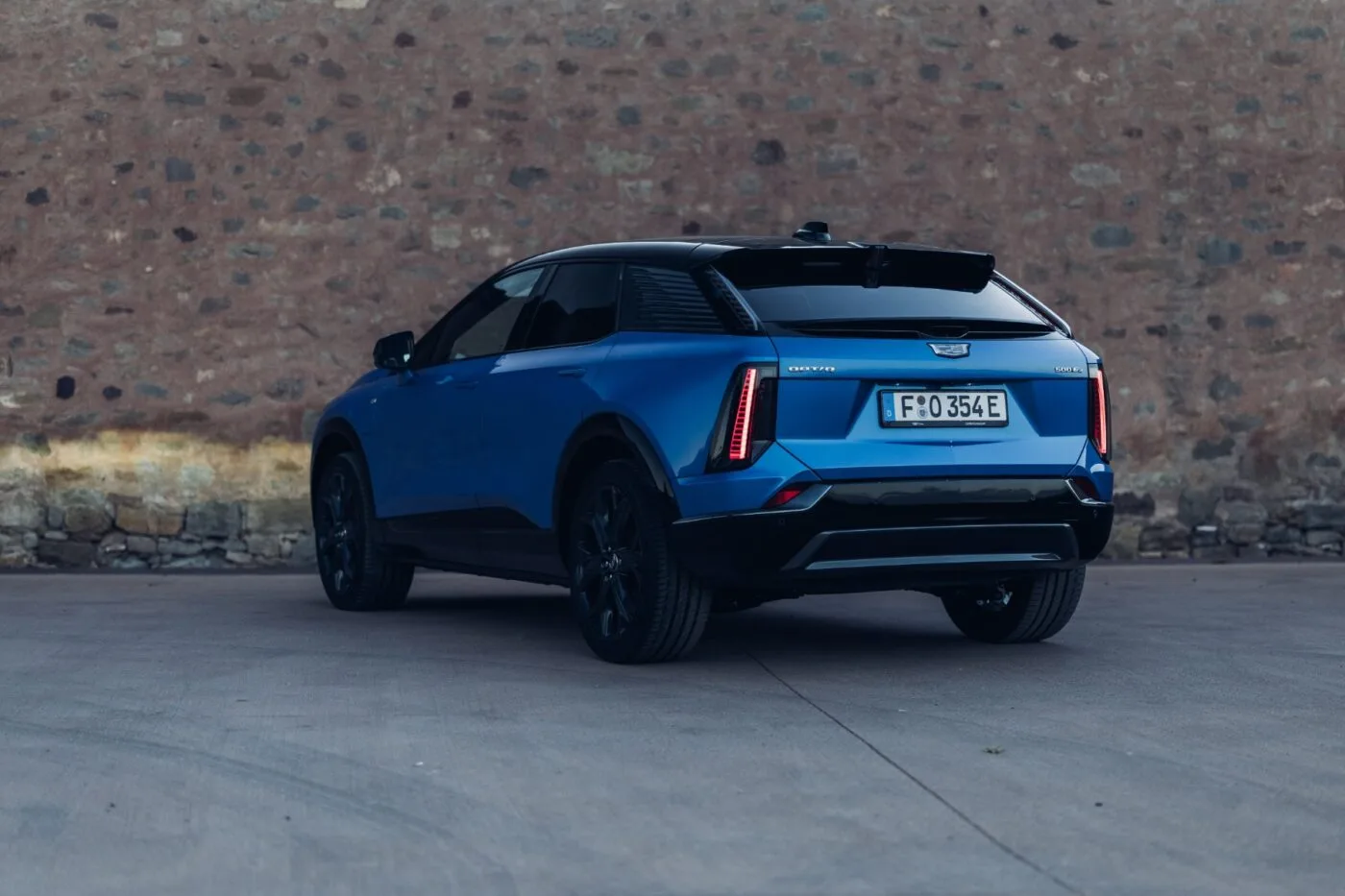
Plug-in hybrid vehicle (PHEV) registrations also climbed to 722,914 units, representing a nine per cent market share so far this year. “This was driven by increases in volume for key markets such as Spain (+105.2%), Germany (+63.9%), and Italy (+72.6%),” ACEA said.
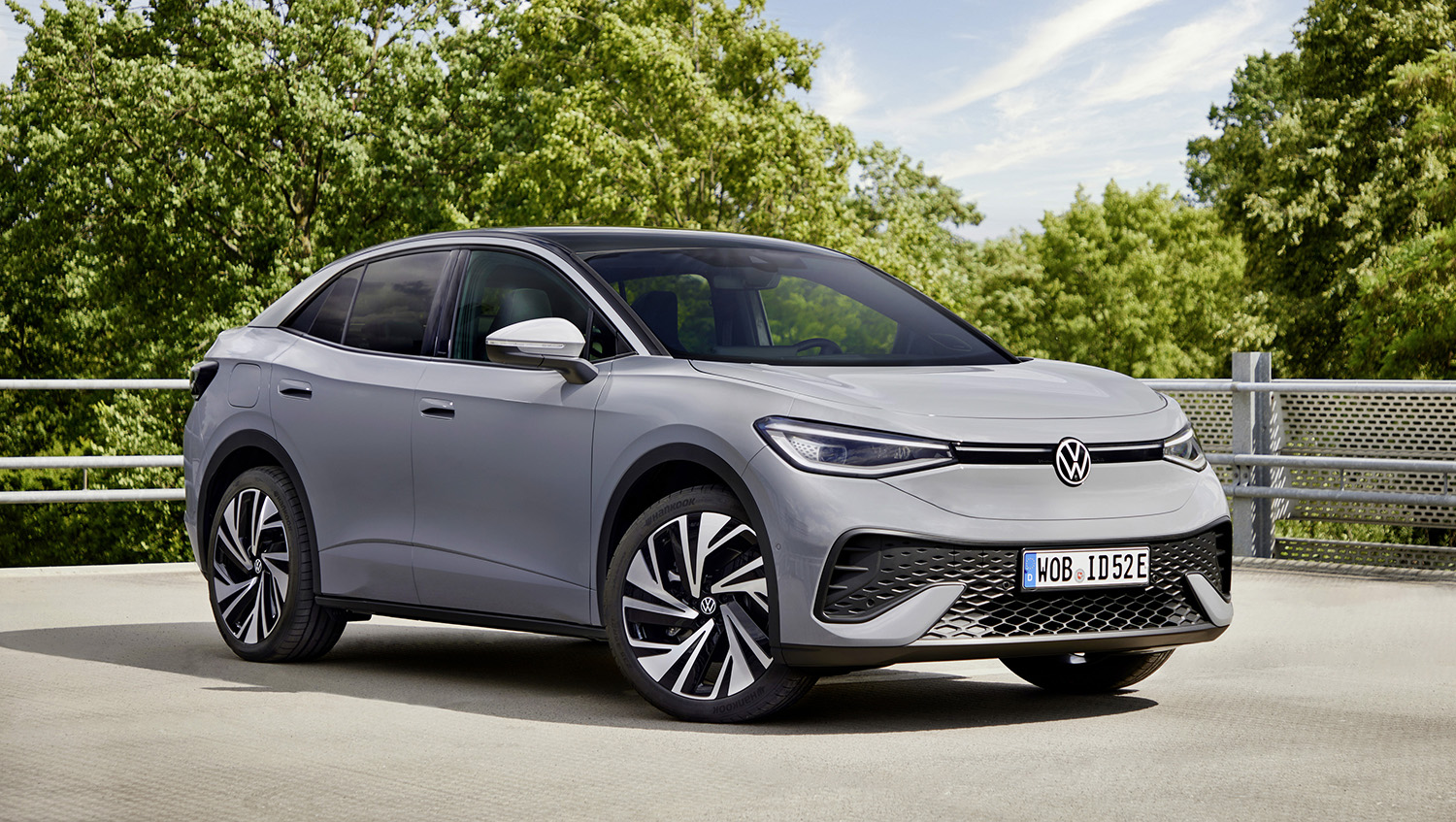
Outside the EU, the United Kingdom remained Europe’s largest market for electric cars, with 72,779 new registrations in September—well ahead of Germany’s 45,495. Across all powertrains, the Volkswagen Group continued to lead the European market with 241,368 new units sold, up 11.1 per cent from a year earlier.
See also: Bolt CEO Warns Europe Risks Falling Behind on Self-Driving Technology

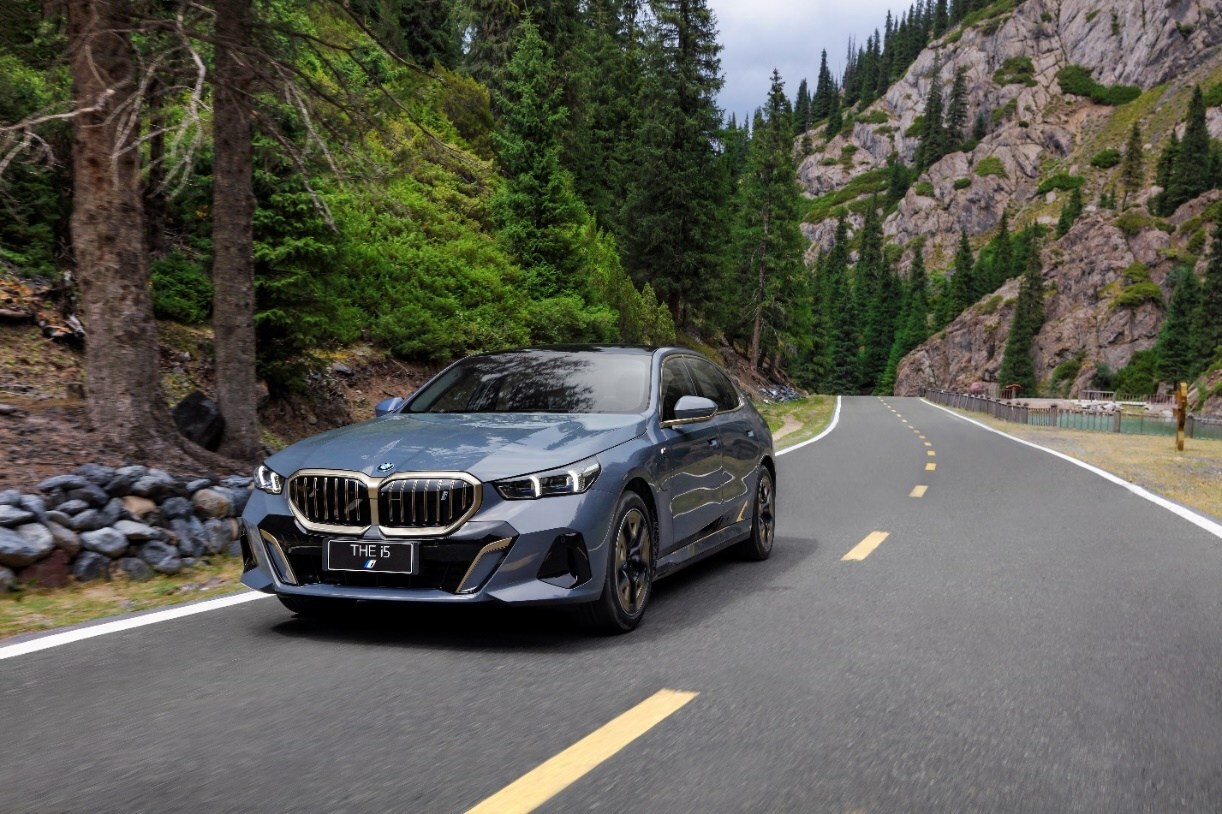
Among fully electric manufacturers, Tesla saw new registrations fall 18.6 per cent to 25,656 vehicles, following 31,500 in September last year. Despite the decline, Tesla’s Model Y remained among Europe’s best-selling EVs, though demand has moderated. ACEA data show Tesla has sold 111,328 vehicles so far this year, 38.7 per cent below 2024 levels.