

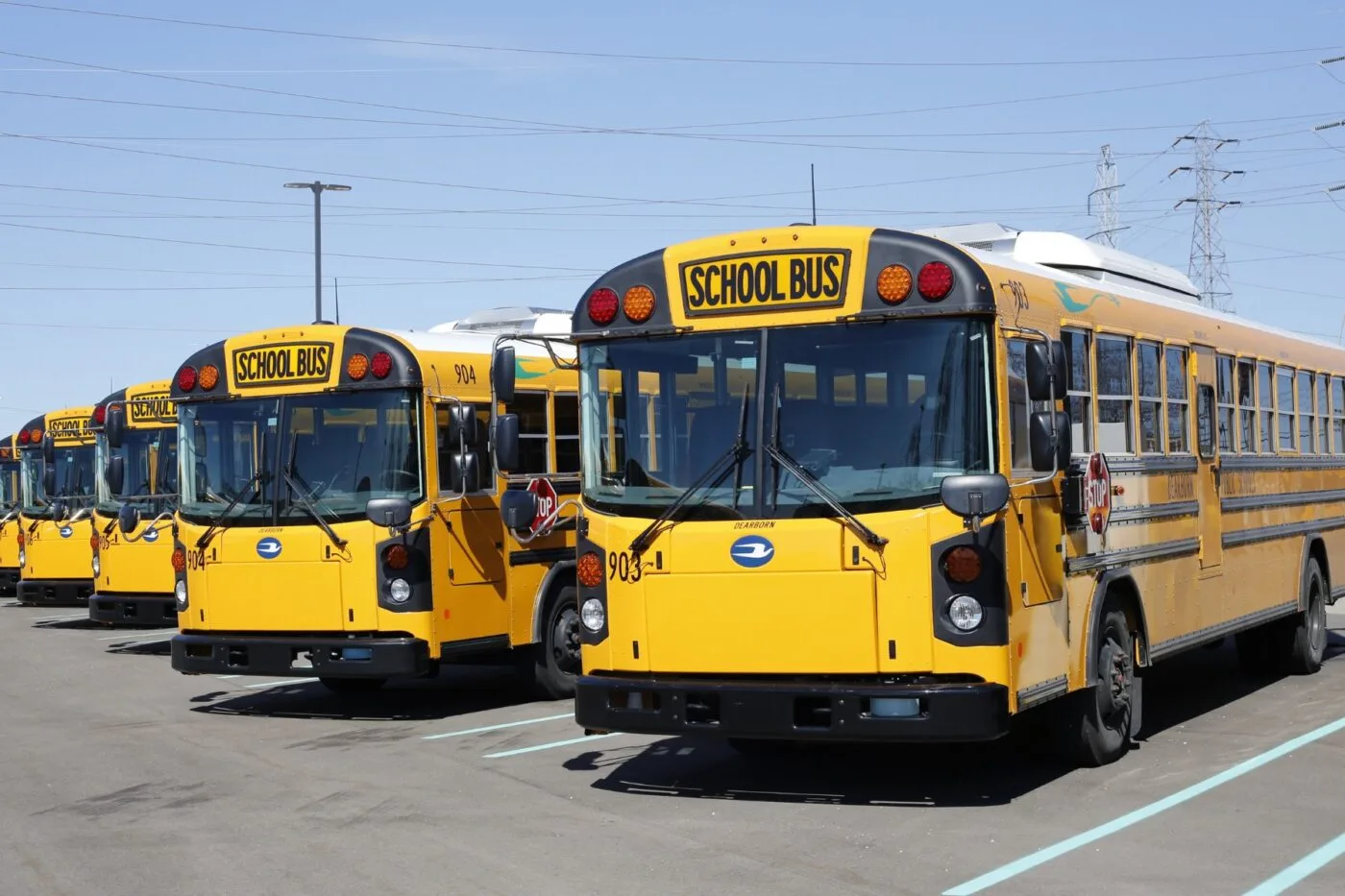
The U.S. Environmental Protection Agency (EPA) has announced plans to overhaul the Clean School Bus (CSB) Program, signalling a shift away from the initiative’s strong emphasis on battery-electric buses toward a broader mix of fuel technologies.
Introduced in 2021 under former President Joe Biden, the programme has primarily funded electric school buses as part of a push to reduce emissions from the nation’s roughly 480,000-vehicle school bus fleet. The EPA now says it wants to provide school districts with “increased choice and affordable options,” including biofuels, compressed natural gas (CNG), liquefied petroleum gas (LPG/propane), and hydrogen. While these alternatives were technically eligible before, the agency argues they were underutilised.
The policy shift aligns with the administration of President Donald Trump, which has emphasised energy diversity, domestic industry support and cost considerations. According to the EPA, the revised programme will ensure taxpayer funds are used more effectively and will support American jobs and energy production. The agency also announced that the current funding round will not proceed; applicants from the 2024 call will need to reapply under the updated 2026 programme rules.
To inform the redesign, the EPA has opened a 45-day public consultation inviting feedback from school districts, bus manufacturers, fleet operators, energy providers and other stakeholders. The agency intends to incorporate the responses into a revised funding framework ahead of the next grant cycle.
Funding for the programme originates from the Infrastructure Investment and Jobs Act, which allocated $5 billion for fiscal years 2022 through 2026. According to the EPA, approximately $2.7 billion has been awarded so far, with about 90% supporting battery-electric school buses and most of the remainder going to propane-powered vehicles.
The agency also cited challenges linked to the bankruptcy of electric bus manufacturer Lion Electric, noting that some subsidised vehicles remain undelivered or insufficiently maintained. The EPA said it is assessing options related to those cases but declined to comment further due to ongoing legal proceedings.
The revised programme is expected to rebalance federal support across multiple low-emission technologies while continuing efforts to modernise school transport fleets nationwide.