
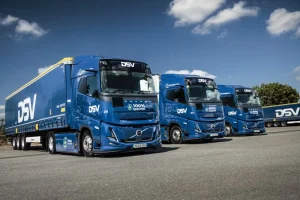



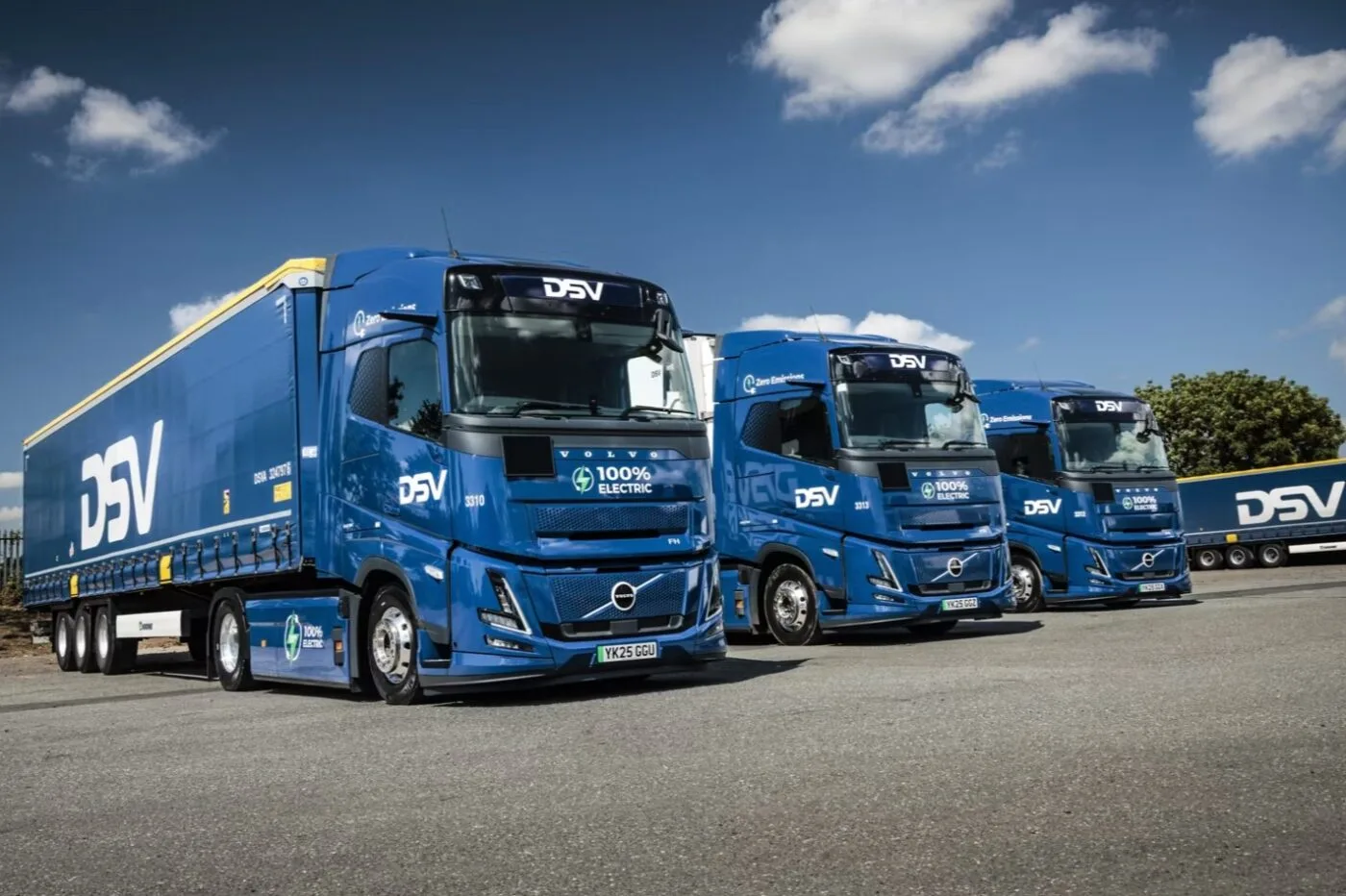
Electric trucks are already cheaper to own than diesel-powered heavy trucks in six of nine major European Union markets, according to analysis by Transport & Environment (T&E), as rising diesel costs and operating incentives improve the economics of truck electrification.
The nine markets covered by the analysis account for 46% of new heavy truck sales in the EU. T&E said five-year savings from switching to an electric truck can reach €100,000 ($117,000) in the Netherlands and €85,000 ($99,500) in Germany, with payback periods of about two years.
Higher Diesel Prices Could Widen the Gap
T&E said the savings could increase further under current diesel prices, reaching €123,000 ($144,000) in the Netherlands and €106,000 ($124,000) in Germany.
The campaign group also said lower-priced electric trucks from Chinese and U.S. manufacturers could add a further €34,000 ($39,800) to the five-year savings available to operators in Germany compared with diesel models.
The analysis highlights purchase price as an additional competitive factor for European truckmakers, which currently dominate the heavy-truck market but face increasing competition from electric vehicle manufacturers outside Europe.
E-Trucks Could Reach Cost Parity Across Nine Markets
T&E’s modelling indicates electric trucks could become cheaper to own than diesel alternatives in all nine markets by 2030, even if purchase subsidies are reduced.
The projected improvement depends partly on continued exemptions from road tolls for electric trucks and maintaining the EU’s planned 43% reduction in truck CO2 emissions by 2030. European truckmakers have called for the emissions target to be delayed by three years.
Stef Cornelis, Director of Freight and Fleets at T&E, said the economics of electric trucks should encourage governments and manufacturers to maintain the transition away from diesel.
“Europe’s truckers are on the front line of the diesel crisis. There has never been a better time to switch from diesel to electric, but we need truckmakers and governments to support them in doing so,” Cornelis said.
He said truckmakers should maintain Europe’s 2030 CO2 targets rather than seek further delays, while governments could support electrification by exempting electric trucks from road tolls and accelerating charging infrastructure and grid connections.
Cornelis also argued against fuel rebates, saying they would prolong the freight sector’s dependence on diesel.
Cost Pressure Adds to the Electrification Debate
T&E’s analysis comes as European truckmakers are seeking additional time to meet the EU’s truck CO2 requirements. The group’s findings therefore place greater emphasis on the operating-cost case for electrification, rather than relying solely on environmental benefits or purchase incentives.
The comparison with Chinese and U.S. electric trucks also highlights a potential competitive dimension. T&E’s German modelling indicates that lower vehicle prices could increase the economic advantage of electric trucks, adding cost pressure to European manufacturers alongside the challenges associated with charging infrastructure and grid connections.
Road-toll exemptions are another key element of T&E’s modelling. The group argues that reducing operating costs through toll relief could provide a continuing incentive for fleet operators as purchase subsidies become less significant.
The analysis does not eliminate the practical challenges facing heavy-truck electrification, including vehicle availability, charging infrastructure and grid capacity. However, T&E said the current cost calculations show that electric trucks can already offer a lower total cost of ownership than diesel in a substantial share of major EU markets.


