



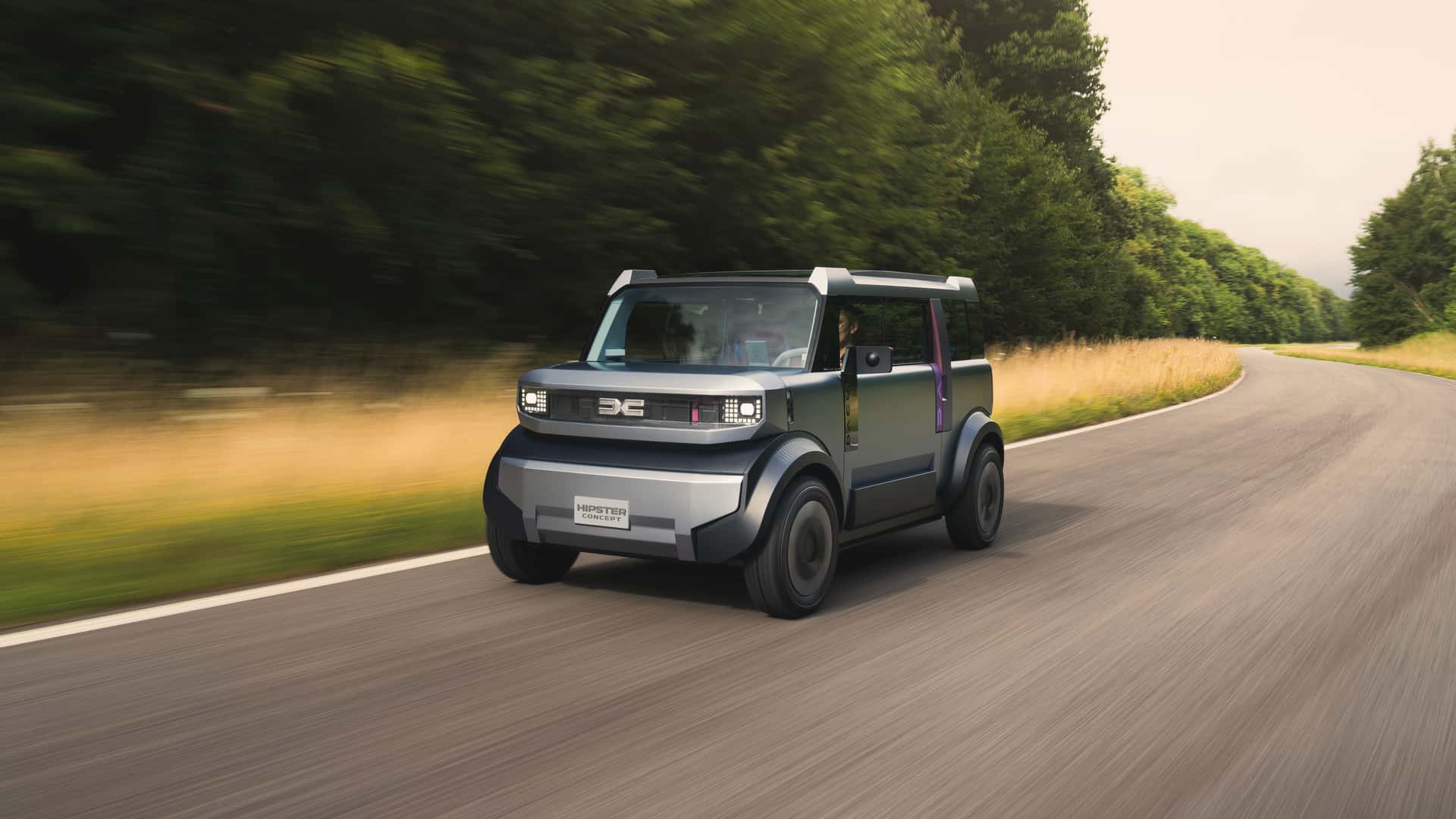
Dacia is reportedly preparing to put its Hipster electric microcar into production in 2027, with the model expected to launch in Europe as a low-cost alternative to larger electric vehicles.
British automotive publication Autocar reported that the L7e-class vehicle is scheduled to enter production next year and could be launched in the UK for less than £10,000, citing a source close to the project. That price would equate to approximately €11,000.
Production Reportedly Planned in China
Dacia unveiled the Hipster as an electric concept in October 2025 without announcing series-production plans at the time. The production version is now reportedly expected to be manufactured at the Chinese plant in Shiyan where the first-generation Dacia Spring was produced.

The Shiyan facility was operated by eGT New Energy Automotive, a joint venture involving Renault, Nissan and Dongfeng. Earlier reports in February 2026 indicated that Dacia was considering production of the Hipster in China, subject to final approval.
The reported decision comes as production of the second-generation Spring is being moved to Slovenia rather than China, potentially creating a new role for the Shiyan facility.
Hipster Targets the L7e Microcar Class
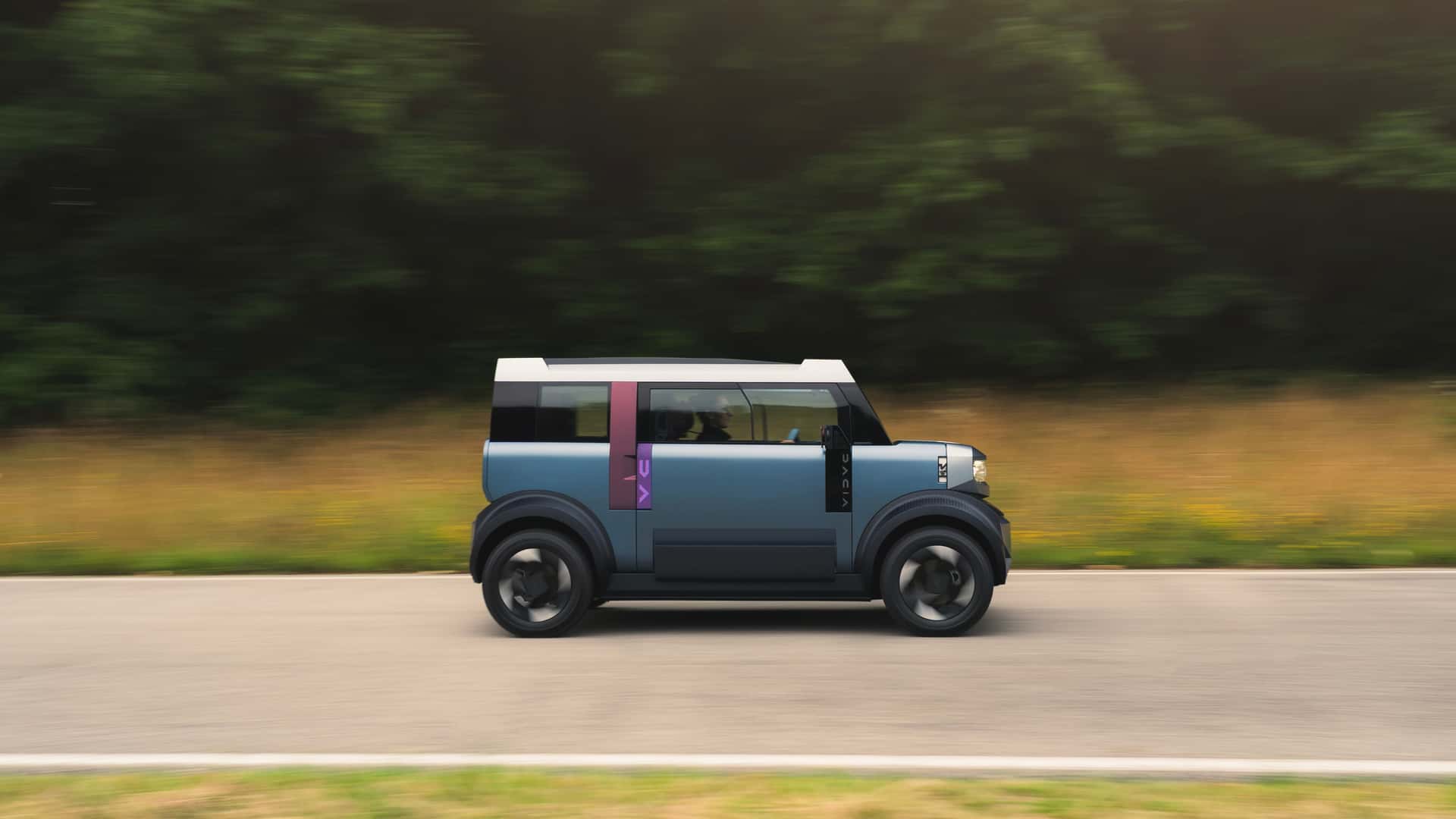
The Hipster is designed as a compact electric vehicle positioned below the Spring and takes design cues from Japan’s kei-car segment.
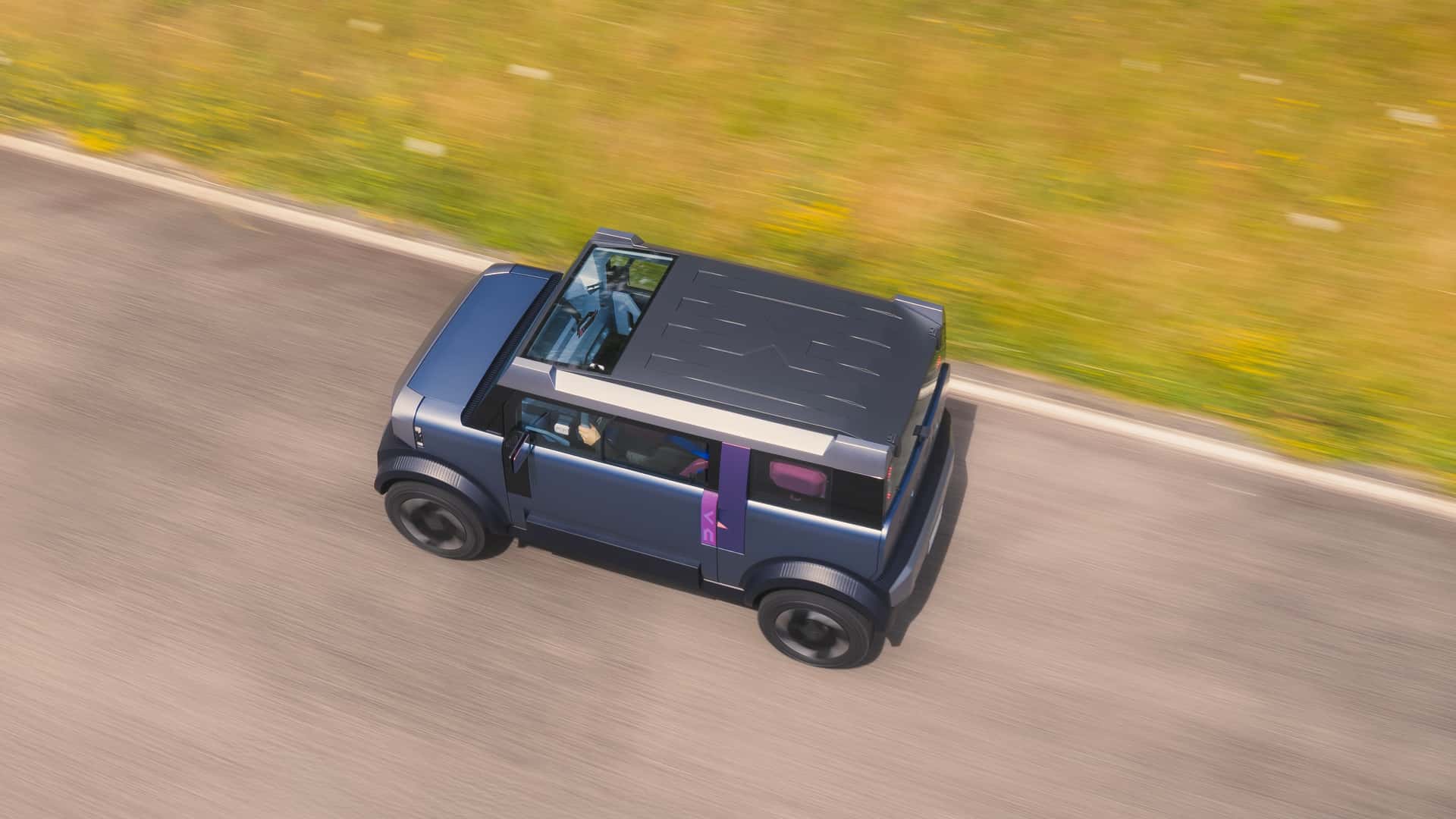
As an L7e-class vehicle in Europe, the production model must comply with limits including an unladen mass of no more than 450 kg excluding the battery, maximum power of 15 kW and a top speed of 90 km/h.
The vehicle’s classification could also affect its treatment under European trade measures. L7e vehicles are outside the M1 passenger-car category covered by the European Union’s additional tariffs on Chinese-produced electric cars.
Four Seats in a Three-Metre Body
Autocar reports that the production version will remain relatively close to the concept shown in 2025.
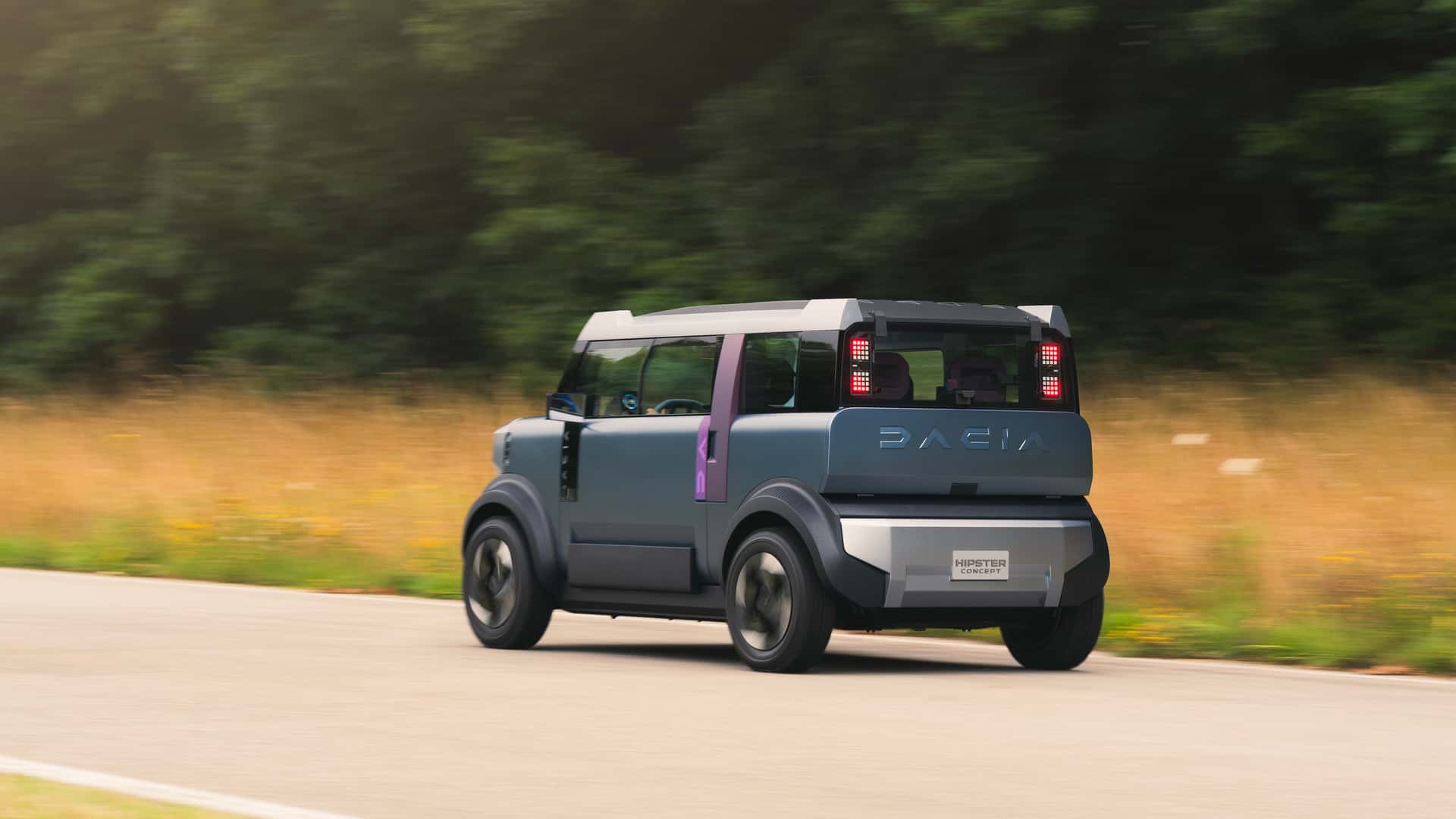
The concept measured approximately three metres long, 1.55 metres wide and 1.53 metres high. Its compact, boxy proportions, short overhangs and vertically oriented windows were designed to accommodate four full-sized seats within a small footprint.
Luggage capacity was estimated at between 70 and 500 litres, depending on configuration. The higher figure is available when the rear bench is folded.
The concept featured a split tailgate, with the lower section folding downward to assist with loading. According to Autocar, the production model is instead expected to use a conventional side-hinged rear door.
Cost Reduction Remains a Central Focus
The Hipster’s position within Dacia’s lineup has reportedly changed during its development.
Under former Dacia CEO Denis Le Vot, the model was reportedly considered as a potential successor to the Spring. Renault Group subsequently chose to develop a Spring derivative based on the revived Renault Twingo, while the Hipster’s development direction was revised.
Fabrice Cambolive, Renault and Dacia’s Chief Growth Officer, has reportedly pushed for further cost reductions, with the company also seeking development support from China.
The final production version is expected to be unveiled in 2027.
Smartphone-Based Interior Technology
Dacia’s approach to the Hipster focuses on reducing equipment and manufacturing complexity while retaining basic functionality.
The concept uses the company’s “bring your own device” approach, with the driver’s smartphone serving as the vehicle key and, through a docking station, as the navigation and infotainment display.
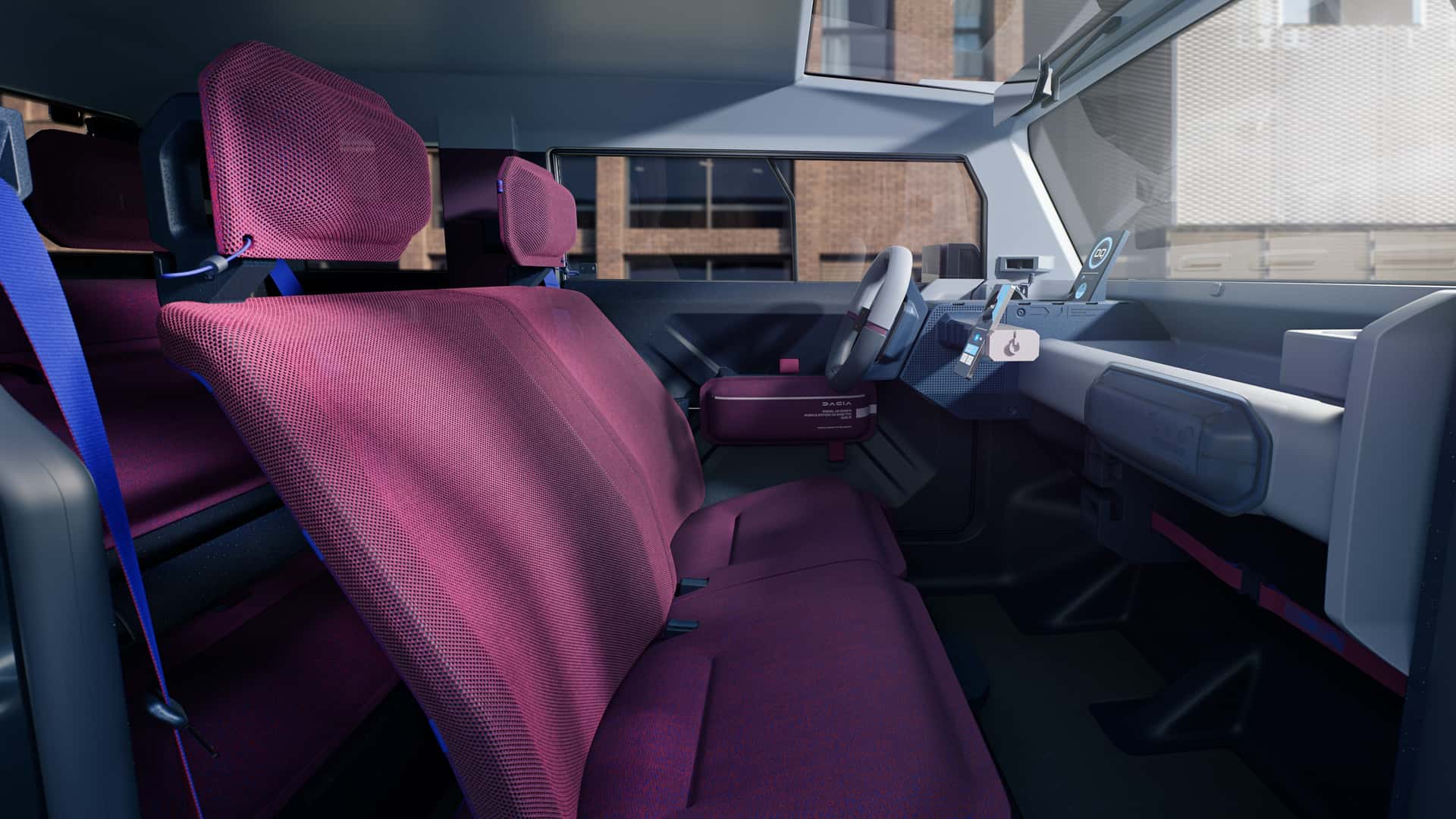
Other cost-saving features shown on the concept include a basic Bluetooth speaker in place of a conventional integrated audio system, manually operated sliding side windows and simple loops replacing traditional exterior door handles.
The production Hipster is therefore being developed around a compact footprint, limited equipment and a low-cost electric architecture, positioning it as a smaller alternative to conventional battery-electric passenger cars.


