
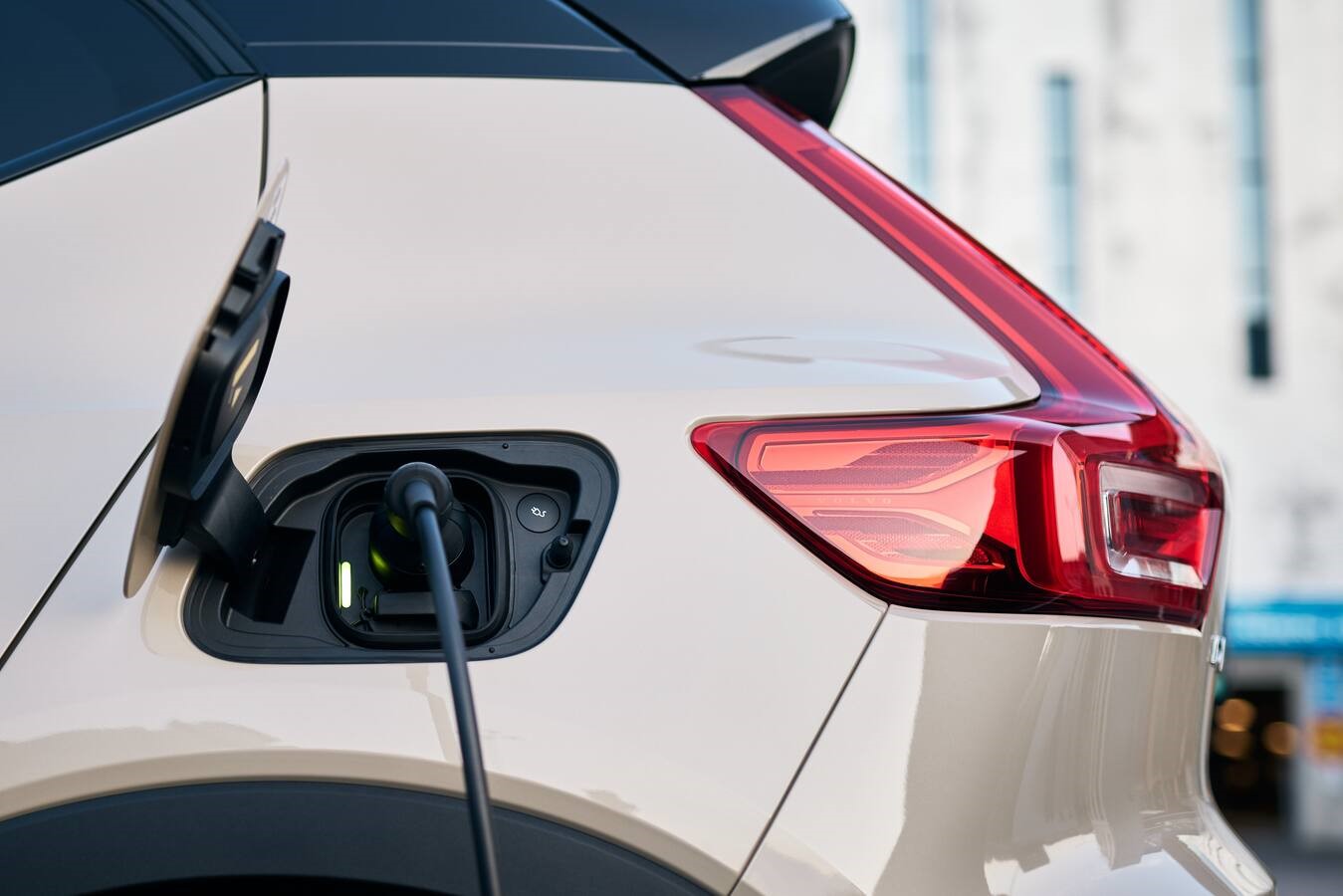
Cornwall Council has secured £5.5 million in funding from the UK Government’s Local Electric Vehicle Infrastructure (LEVI) Fund to install up to 2,000 electric vehicle (EV) charging points across the county, with a focus on improving access in rural and underserved areas.
Installation of the new charging infrastructure will begin in 2025, with the initial rollout targeting council-owned car parks. Subsequent phases will introduce on-street charging for the first time as part of Cornwall’s wider public transport strategy. The council said it is prioritising affordable, lower-powered residential solutions to support the transition to EVs.
The funding aims to address a key challenge in rural areas: the lack of charging access for residents without off-street parking. Cornwall Council is currently engaging with local residents, organisations, and authorities to help determine optimal locations for the new infrastructure.
Cllr Dan Rogerson, Cabinet Member for Transport, said the investment will help ensure that infrastructure keeps pace with upcoming regulations. “This funding means we can install chargers in our rural communities where the private sector is unlikely to invest,” he said. “It also means that, for the first time, we can consider on-street charging. To make the most difference however, we need to hear from communities about where to install them.”
Cornwall is already among the top 20 per cent of UK local authorities in terms of public EV charging availability. In 2023, the council deployed 226 charge points under the Drive EV2 project, supported by the European Regional Development Fund and Cornwall’s Carbon Neutral Fund. Those chargers, installed across 42 council car parks, form the foundation for the network expansion now planned under the LEVI programme.
The Department for Transport’s LEVI Fund supports local governments in expanding EV charging infrastructure in areas where market-led investments have lagged. Cornwall’s strategy seeks to reduce geographic disparities in EV accessibility, particularly in regions with lower population density.