
Researchers at Tianjin University in China say they have developed a lithium battery with more than twice the energy density of Tesla’s most advanced cells, a breakthrough that could extend the range of electric vehicles and improve performance if successfully scaled for commercial use.
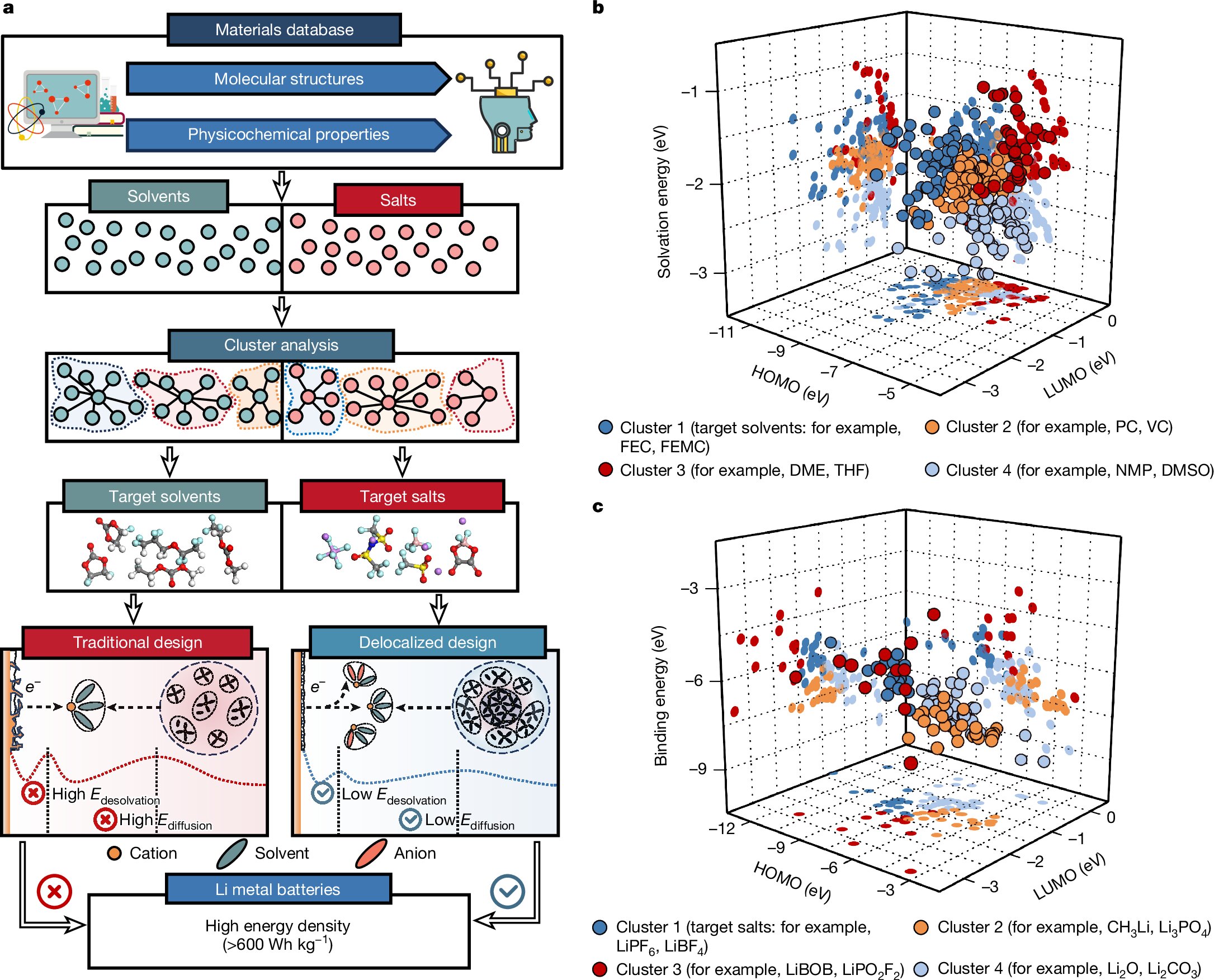
The team’s prototype achieved an energy density of 604.2 watt-hours per kilogram, compared with about 300 Wh/kg for Tesla’s top batteries. The findings, published in the journal Nature, describe a newly designed electrolyte with a disordered structure that allows lithium ions to move more freely, improving both stability and efficiency.
“The delocalized electrolyte design overcomes the intrinsic constraints of conventional electrolytes by inducing a highly disordered solvation microenvironment, effectively reducing dynamic barriers, stabilizing interphases and offering substantial potential for transformative advances in battery performance,” the researchers wrote.
Tests showed the battery remained stable through more than 100 charging cycles, did not ignite when exposed to open flame, and continued to function at -60°C without freezing. Despite the results, the researchers cautioned the technology is still at a proof-of-concept stage, requiring extensive real-world testing before it can be produced at scale.
If further developed, the battery could significantly extend the driving range of electric cars while reducing charging times. Analysts say the innovation could also be applied to renewable energy storage systems and consumer electronics, though commercial deployment may still be years away.
Resource:
- He Huang et al, Delocalized electrolyte design enables 600 Wh kg−1 lithium metal pouch cells, Nature (2025). DOI: 10.1038/s41586-025-09382-4