
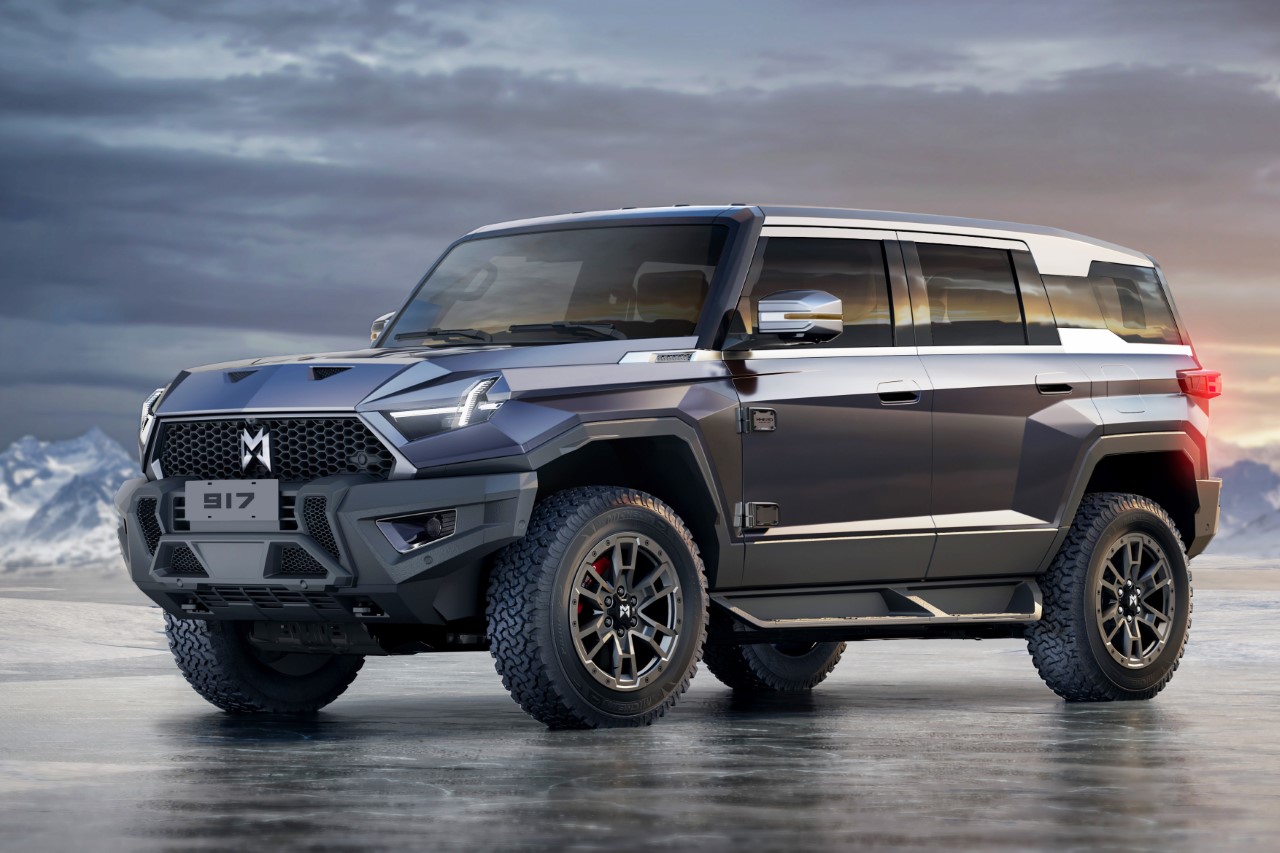
China’s state-owned auto giants, Dongfeng Motor and Changan Automobile, have unveiled plans for significant reorganization, sparking speculation that the two companies could merge to form one of the world’s largest automotive groups.
The announcements, made almost simultaneously last night, disclosed that both companies’ respective indirect controlling shareholders are planning to reorganize with other state-owned conglomerates. However, both companies emphasized that the reorganizations would not affect the actual controllers of the companies.
See also: Dongfeng Launches the Xinghai S7: The World’s Most Aerodynamic Electric Saloon
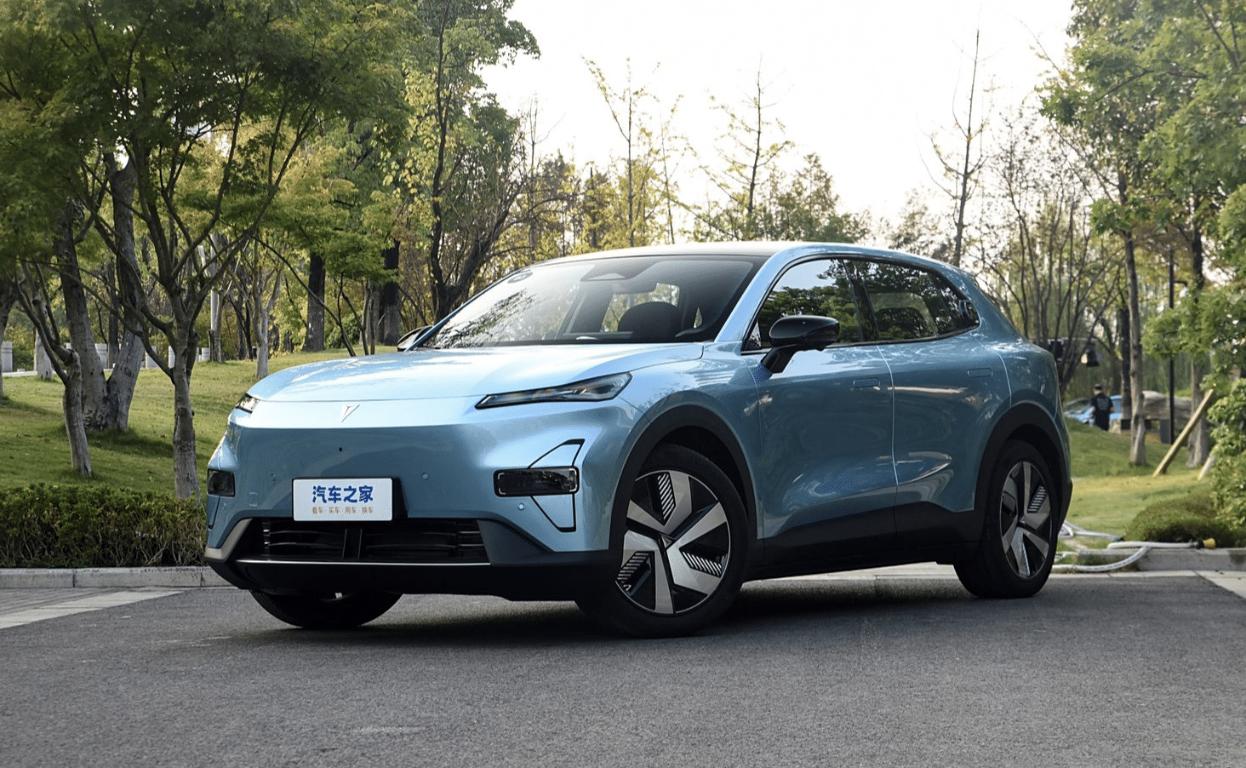
Local media reports have fueled merger speculation, with 36kr suggesting that the two companies will indeed merge to form a new automotive group. According to the report, Dongfeng is likely to play a dominant role in the new entity, with the chairman of the new group expected to be Yang Qing, the current chairman of Dongfeng.
The general manager of the new group will also reportedly come from Dongfeng, while Changan’s chairman, Zhu Huarong, is not listed in the management structure, hinting at his planned retirement in 2025.
See also: Dongfeng Launches eπ 008: A New Three-Row Electric SUV in China
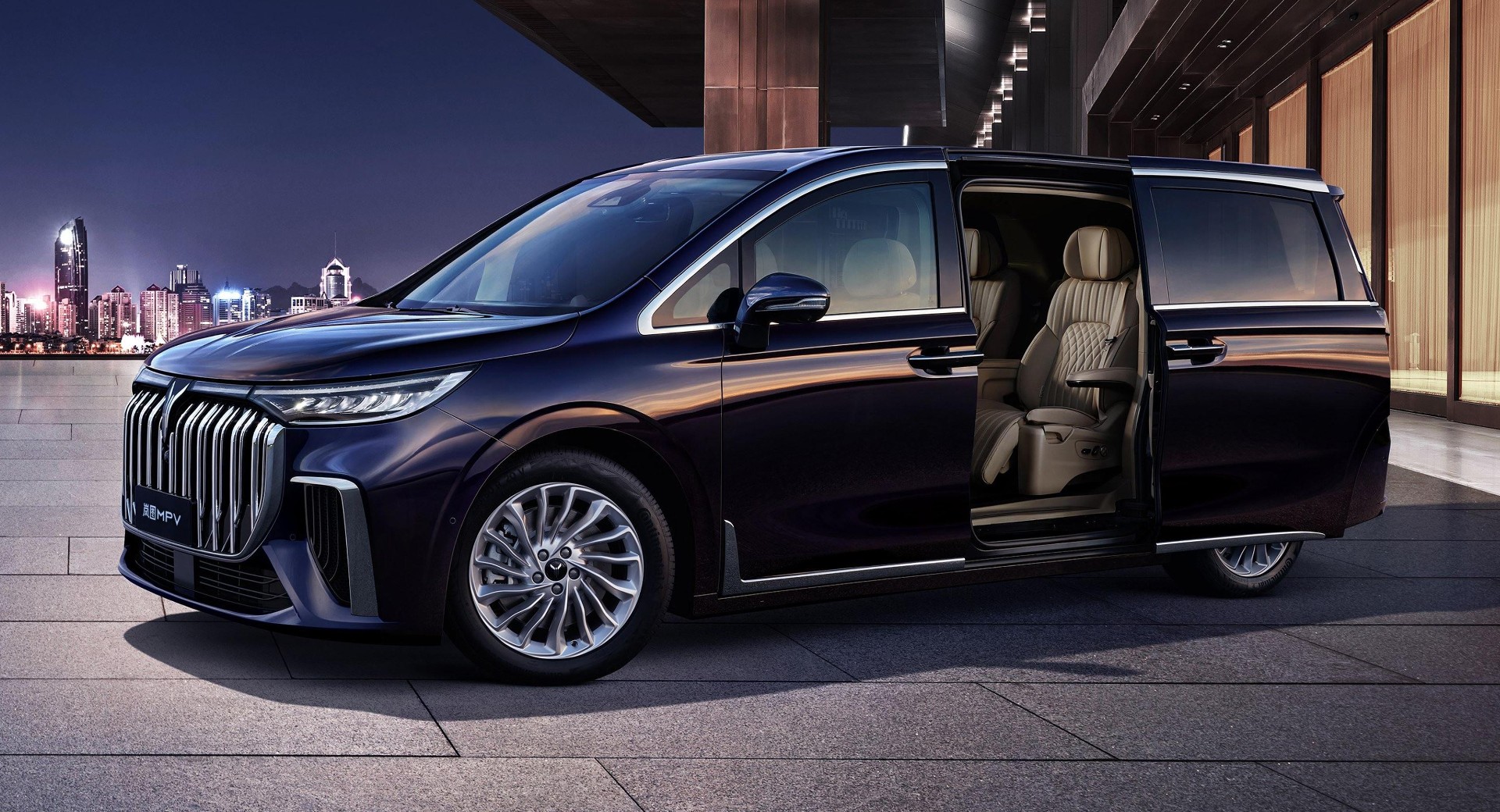
Should the merger proceed, the newly formed group would have an annual sales volume of approximately 4.58 million units, surpassing BYD to become China’s largest automaker and the fifth-largest in the world, according to the report.
A key aspect of the proposed merger would be the integration of supply chain resources, with the two companies expected to unify the procurement of parts and technologies from high-quality suppliers.
See also: Changan Nevo E07 Specifications: Everything You Should Know
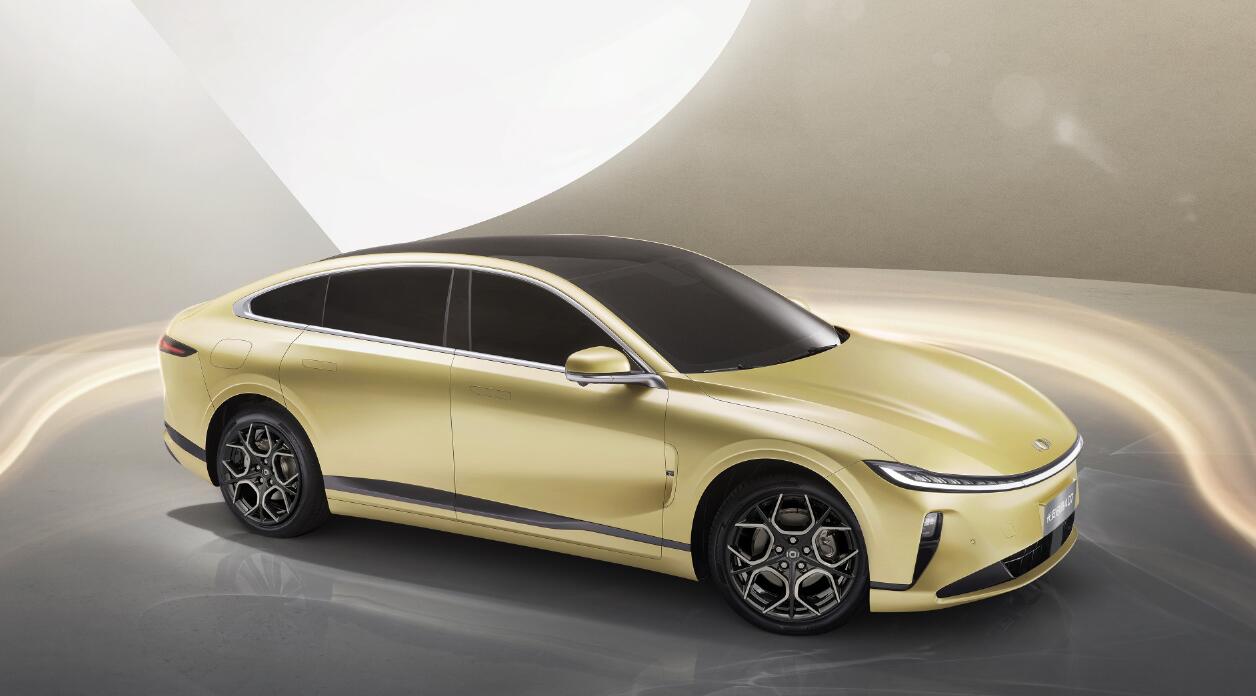
This move comes amid increasing pressure for China’s state-owned automakers to accelerate their efforts in the rapidly growing new energy vehicle (NEV) sector.
Zhang Yuzhuo, chairman of the State-owned Assets Supervision and Administration Commission (SASAC), noted in March 2024 that state-owned carmakers had been slow in transitioning to NEVs and indicated that new policies would be introduced to address these concerns.