
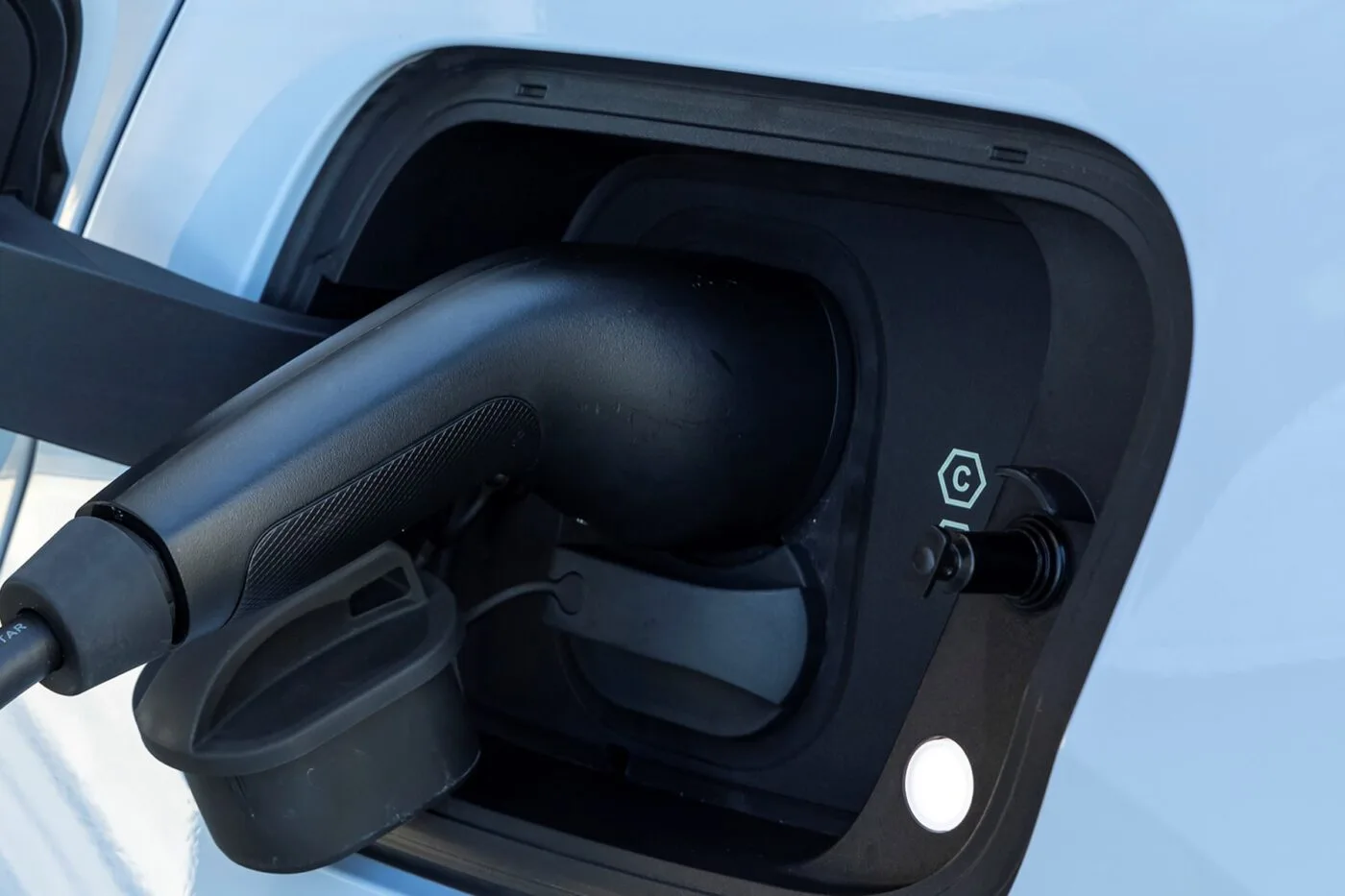
Canada is scaling up its electric mobility push with more than C$10 million ($7.4 million) in federal funding to expand charging infrastructure nationwide and support research into lower-cost, next-generation electric vehicle (EV) motors.
More than C$9 million of the funding will be channelled through the Zero Emission Vehicle Infrastructure Program (ZEVIP) to Green Economy Canada and New Brunswick Power, supporting the deployment of over 1,200 new charging points across the country. The rollout will include Level 2 chargers and DC fast chargers at workplaces, public destinations, on-street locations and multi-unit residential buildings, with the largest share of installations planned for New Brunswick, Alberta and Ontario.
See also: Canada Reportedly Considering Removing 100% Tariff on Chinese Electric Vehicles
Green Economy Canada will receive C$7 million to deliver 950 Level 2 chargers and 40 fast chargers. Senior manager Luke Robertson said demand from businesses remains strong. “Canadian businesses are clearly looking to be a part of the transition to electric vehicles,” he said.
New Brunswick Power will receive just over C$2 million to install up to 240 additional chargers, building on earlier agreements. Chief executive Lori Clark said the expansion is “helping New Brunswickers in their decision to reduce emissions by eliminating range anxiety.”
A further C$1.4 million in funding under the Energy Innovation Program will support a University of New Brunswick research project focused on advanced magnetic materials for EV motors. The initiative aims to reduce motor costs and improve efficiency through high-silicon electrical steels and rare-earth-free permanent magnets. University president Paul J. Mazerolle said the work is “pav[ing] the way for a more sustainable, made-in-Canada transportation future.”
See also: Amazon Deploys First Fleet of Rivian Electric Vans in Canada
Canada’s Energy and Natural Resources Minister Tim Hodgson said the measures are intended to build confidence in EV adoption while strengthening domestic innovation. “We are driving the installation of electric vehicle chargers where Canadians live, work and travel and supporting Canadian innovation and research,” he said.
The government estimates that transportation accounts for about 22% of Canada’s national greenhouse gas emissions and said more than C$1.2 billion has been allocated to EV charging deployment since 2016.
The latest investment follows additional federal support announced in October, when Ottawa awarded $5 million to install 157 new EV chargers across Atlantic Canada under ZEVIP. In August, the government also backed 33 projects aimed at accelerating EV adoption through charging expansion, clean freight solutions and fleet modernization.
See also: Kia Confirms EV5 Electric SUV Launch in Canada, Skips U.S. Market
In a separate policy shift in September, Canada said it would temporarily waive a requirement that 20% of new vehicles sold in 2025 be emissions-free. The mandate, introduced in 2023 under the government of former prime minister Justin Trudeau, was suspended by his successor Mark Carney as part of a broader package to ease pressure on automakers facing U.S. tariffs on vehicles, steel and aluminum.