
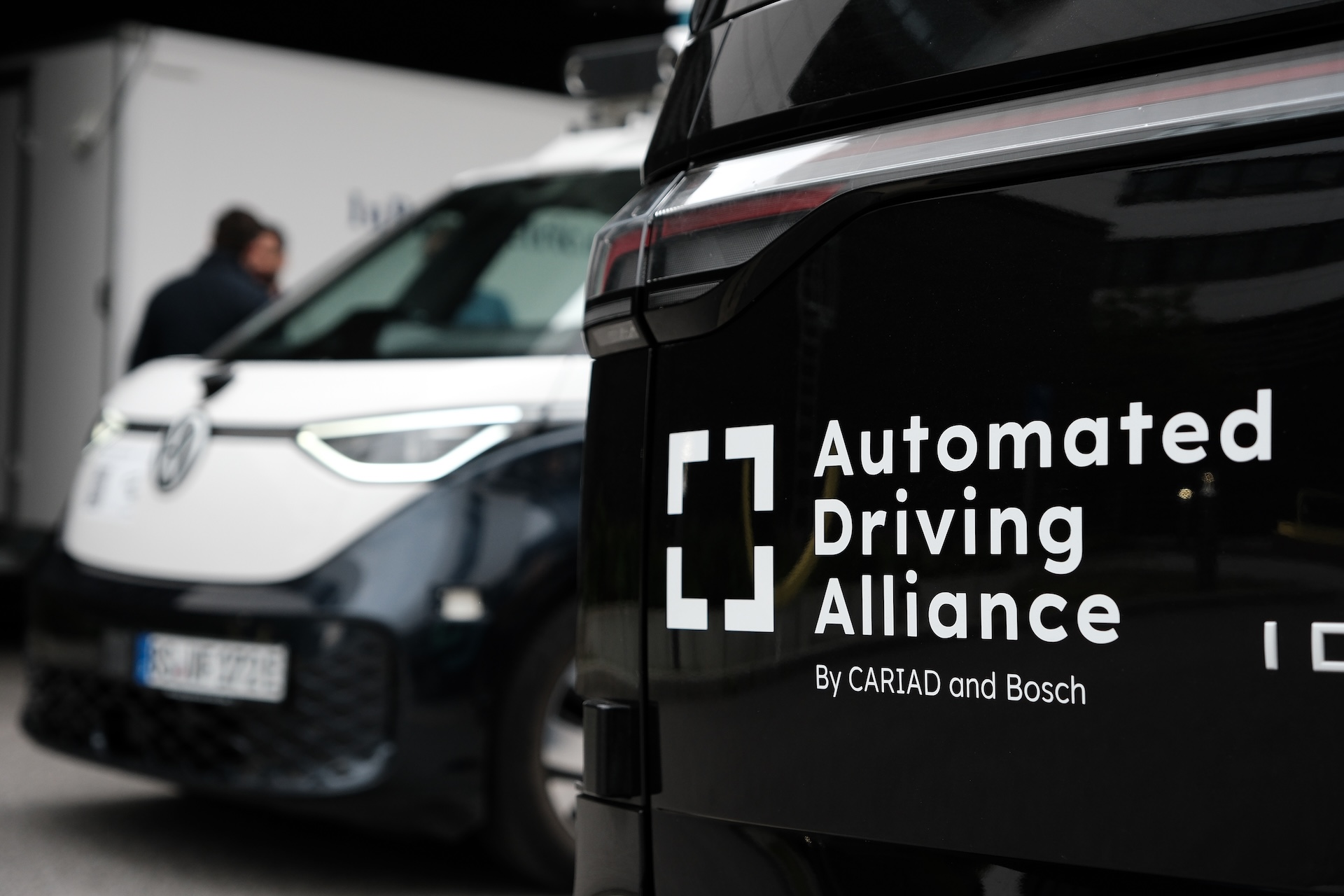
Bosch and CARIAD, Volkswagen Group’s software subsidiary, are jointly developing an artificial intelligence-based software stack designed to advance Level 2 and Level 3 automated driving systems. The collaboration, part of the Automated Driving Alliance, seeks to create driver assistance technologies that operate with human-like intuition to enhance safety and convenience for millions of motorists.
The AI-driven software stack integrates intelligence across the full technology chain—from environmental perception and sensor fusion to decision-making and vehicle control. This end-to-end approach aims to make automated driving feel more natural while ensuring decisions are safe, traceable, and explainable. The software is planned for production deployment by mid-2026 and will be incorporated into Volkswagen Group’s new vehicle architecture, with availability to other automakers.
Peter Bosch, CEO of CARIAD, commented: “With the expertise of our developers and engineers, we are securing an integral part of Europe’s digital sovereignty.” Mathias Pillin, CTO of Bosch Mobility, added: “When it comes to getting automated driving systems onto the roads reliably and at scale, data and AI are the key.”
The project uses cutting-edge AI technologies akin to generative AI to analyze complex traffic environments and predict the behavior of other road users. The system also prepares for multimodal AI integration, combining visual and linguistic data to better understand and respond to challenging driving scenarios.
To refine performance and ensure safety, Bosch and CARIAD are collecting extensive real-world data through a fleet of hundreds of test vehicles equipped with full sensor suites. Testing is underway on public roads across Europe, Japan, and the United States, featuring models such as the ID.Buzz and Audi Q8. Continuous software updates driven by this data aim to address rare and complex “corner cases,” moving closer to safer and more convenient automated driving for consumers worldwide.