
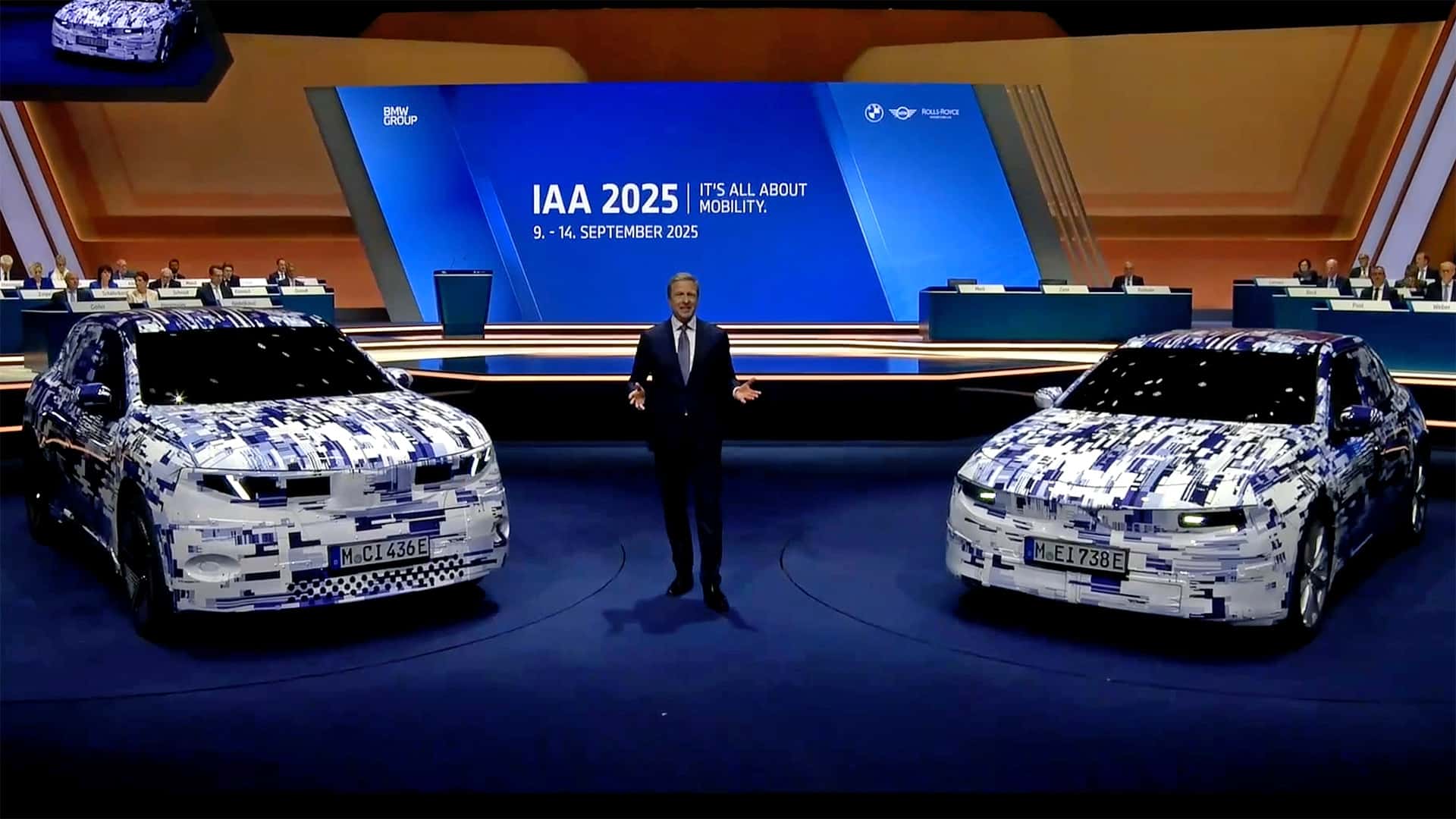
BMW said it will continue investing in a broad mix of vehicle powertrains, including internal combustion engines, hybrids, battery electric, and hydrogen systems, as the German automaker maintains its long-standing position favoring technological diversity over a singular focus on electrification.
During its recent annual general meeting, BMW CEO Oliver Zipse reiterated the company’s commitment to a flexible powertrain strategy, contrasting it with the retreat of some rival automakers from earlier EV-only goals. “We take ambitious political goals seriously – but we don’t believe in technically one-sided regulations that limit supply,” Zipse said.
See also: BMW Completes Central Structure of Bavarian Battery Plant, Set to Begin Equipment Installation
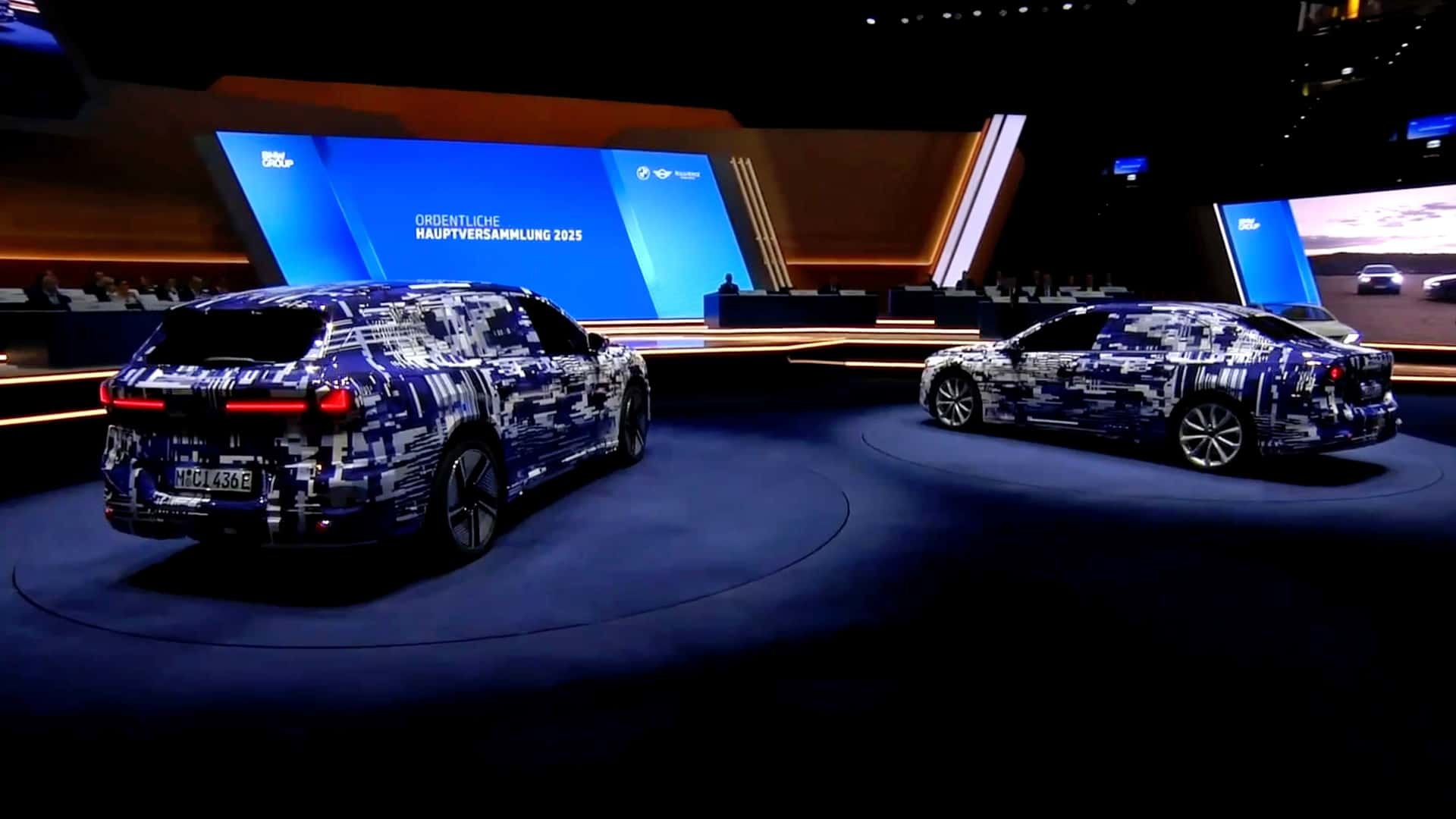
BMW’s approach reflects its view that regional differences in infrastructure, consumer readiness, and government incentives require a varied strategy. Zipse pointed to the disparities between European markets, noting that EV and hybrid vehicles made up more than 60% of sales in Belgium last year, compared to just 4% in Italy.
“Because, as a standalone technology, e-mobility leads down a dead-end street – that much is now clear. The differences are simply too great, even just within Europe,” Zipse told shareholders, emphasizing that reducing CO₂ emissions requires “not thinking in black and white.”
See also: Neue Klasse EVs to Feature BMW’s Newly Developed HypersonX Audio System
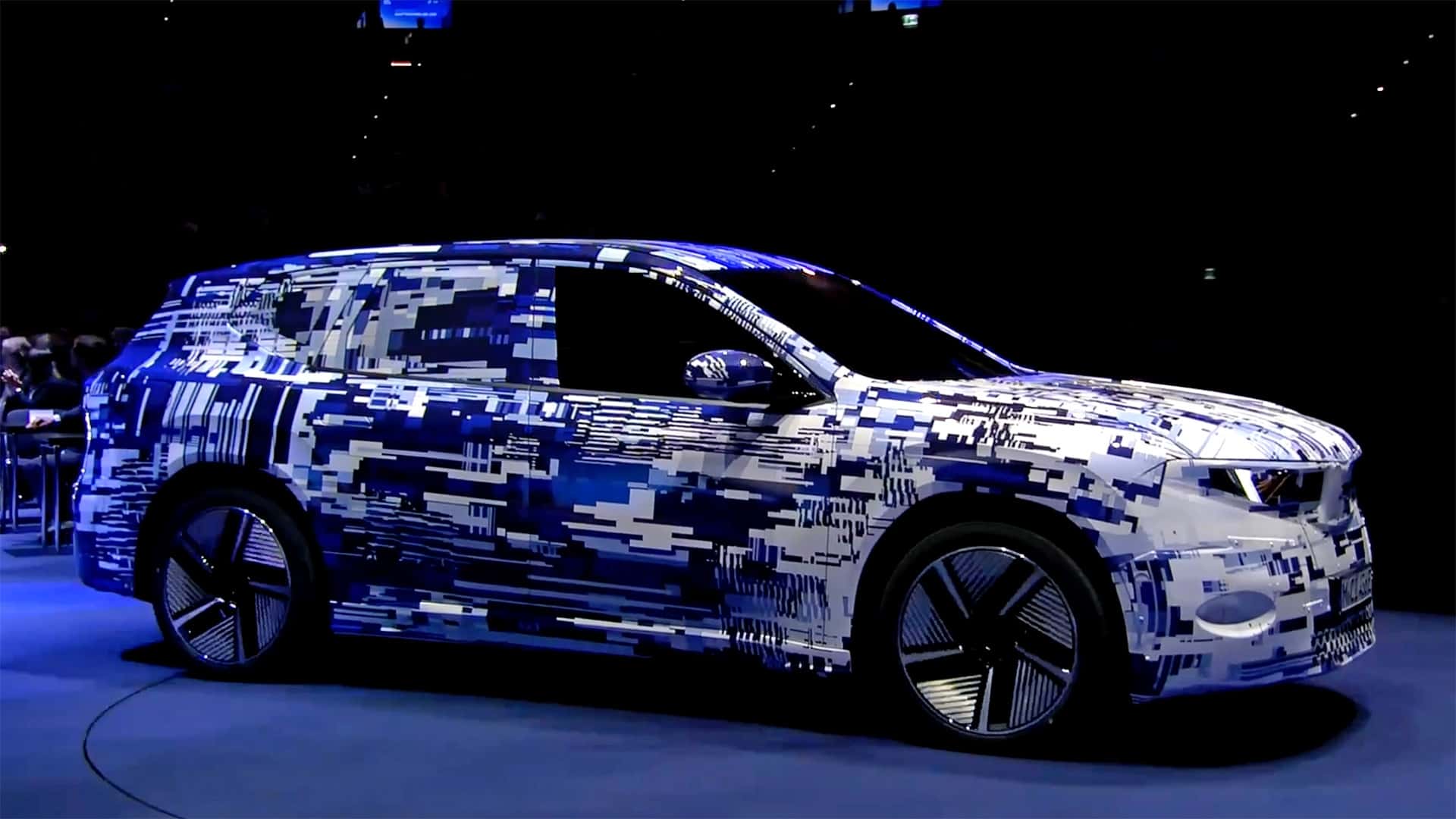
The automaker reported that over 25% of its vehicle sales in the first quarter were electrified, with nearly one-fifth of those being fully electric. BMW also plans to introduce its first hydrogen-powered production model in 2028, developed in partnership with Toyota.
BMW’s strategy comes as policymakers, particularly in Germany and at the European Commission, signal growing support for technology-neutral approaches to emissions reduction and industrial competitiveness.