



BMW has reached two million battery-electric vehicle sales globally, marking a major milestone more than a decade after the automaker introduced the i3 as its first mass-produced electric model.
The two-millionth battery-electric vehicle was a BMW i5 M60 xDrive built at the company’s Dingolfing plant in Germany and delivered to a customer in Spain. The milestone includes fully electric BMW and Mini vehicles sold worldwide.
Neue Klasse Drives BMW’s Next EV Phase
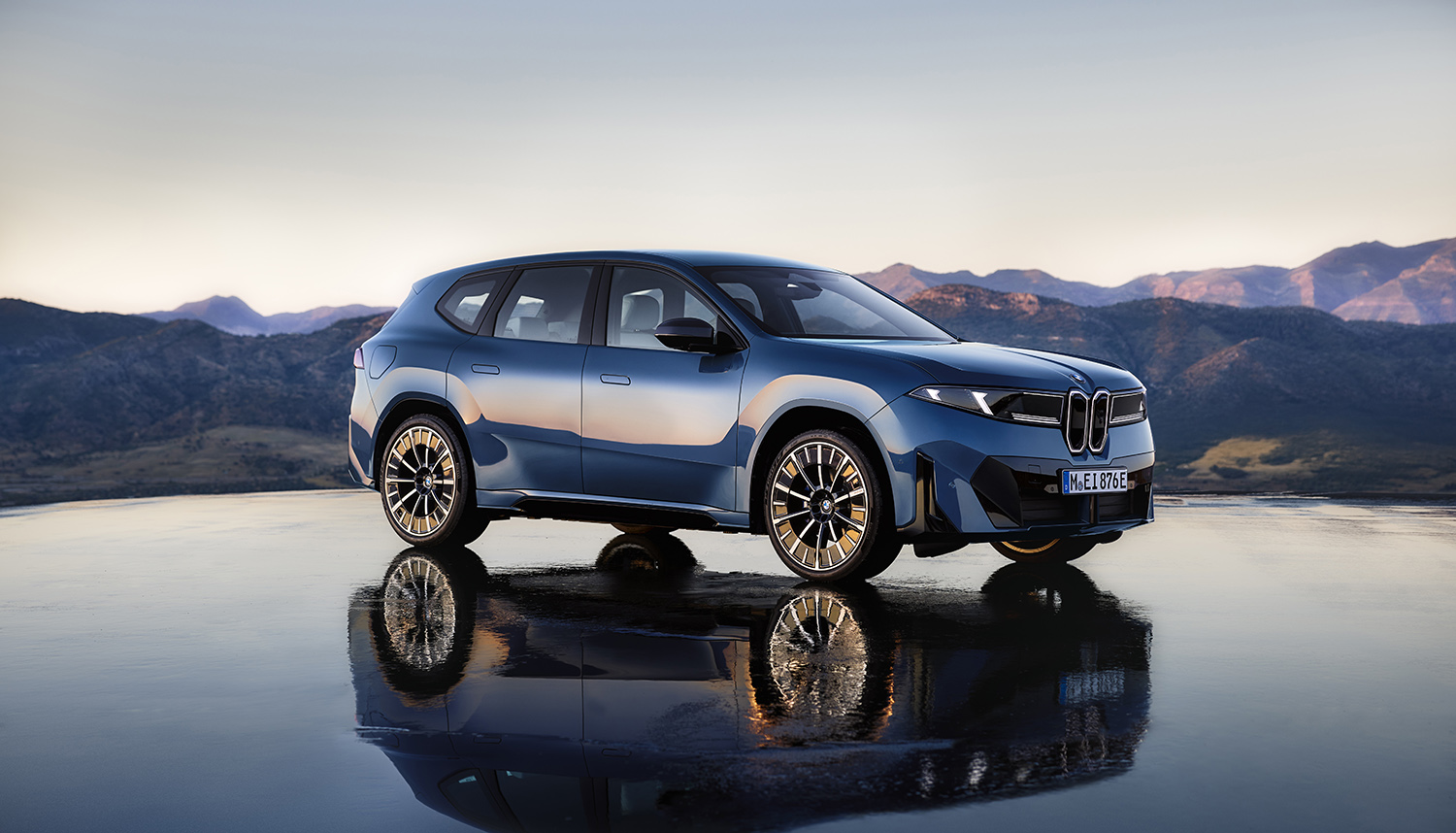
BMW is now entering a new phase of electrification with its Neue Klasse platform. The first model based on the architecture, the BMW iX3, has attracted nearly 100,000 orders, according to the automaker.
BMW Completes Leipzig Plant Upgrades Ahead of Neue Klasse Production
The model is already contributing significantly to BMW’s European electric vehicle growth. The company’s battery-electric sales in Europe increased 38% year on year to 81,445 vehicles in the second quarter of 2026. During the first half of the year, fully electric vehicles accounted for 28% of BMW’s European sales, with the iX3 representing around one-third of those deliveries.
The iX3 has also accounted for about half of all X3 orders, indicating strong customer interest in the electric version of one of BMW’s key SUV lines.
Electrified Sales Reach 3.5 Million
Including plug-in hybrid vehicles, BMW has sold around 3.5 million electrified vehicles globally. Electrified models therefore account for more than one-quarter of the company’s worldwide vehicle sales.
BMW delivered approximately 442,000 fully electric vehicles globally in 2025, representing a modest increase from the previous year. However, the company’s electric vehicle performance has varied by market, with sales in the United States weakening in 2026.
BMW Reportedly Developing All-Electric i4 Cabrio on Neue Klasse Platform
The European market has provided stronger momentum, supported by the arrival of newer electric models and growing demand for the Neue Klasse lineup.
BMW i3 And iX5 Expand The Lineup
BMW is preparing additional Neue Klasse-based electric models, including the new i3 and iX5.
The new i3 will be particularly important because it brings the Neue Klasse technology into BMW’s core 3 Series segment. The model is expected to offer an estimated range of around 440 miles on a single charge, alongside updated battery technology and a redesigned interior.
BMW said demand for the new model has already been strong ahead of its market launch.
“The second Neue Klasse model, the BMW i3, is already seeing strong demand since orders opened ahead of its market launch,” said Jochen Goller, BMW board member responsible for customer, brands and sales.
The upcoming electric models are expected to combine BMW’s latest battery technology with new vehicle architectures, updated software and redesigned digital interiors.
From i3 Pioneer To Mass-Market EVs
BMW’s electric vehicle strategy has evolved significantly since the original i3 arrived in 2013.
The i3 was launched at a time when battery-electric vehicles remained a relatively small part of the global automotive market. Its distinctive design and lightweight construction made it an unconventional entry into the segment, while BMW’s i8 plug-in hybrid sports car formed the other half of the original i sub-brand.
More than a decade later, BMW’s electric portfolio has expanded across multiple vehicle segments. The Neue Klasse program now represents the company’s next major step, with the iX3 establishing the new architecture and additional models such as the i3 and iX5 set to broaden its reach.
BMW Confirms Neue Klasse i3 and iX3 Production in Mexico From 2027
The two-million-vehicle milestone therefore represents not only BMW’s accumulated electric sales but also the transition from its early experimentation with dedicated EVs toward a broader electrification strategy integrated into its core product range.


