




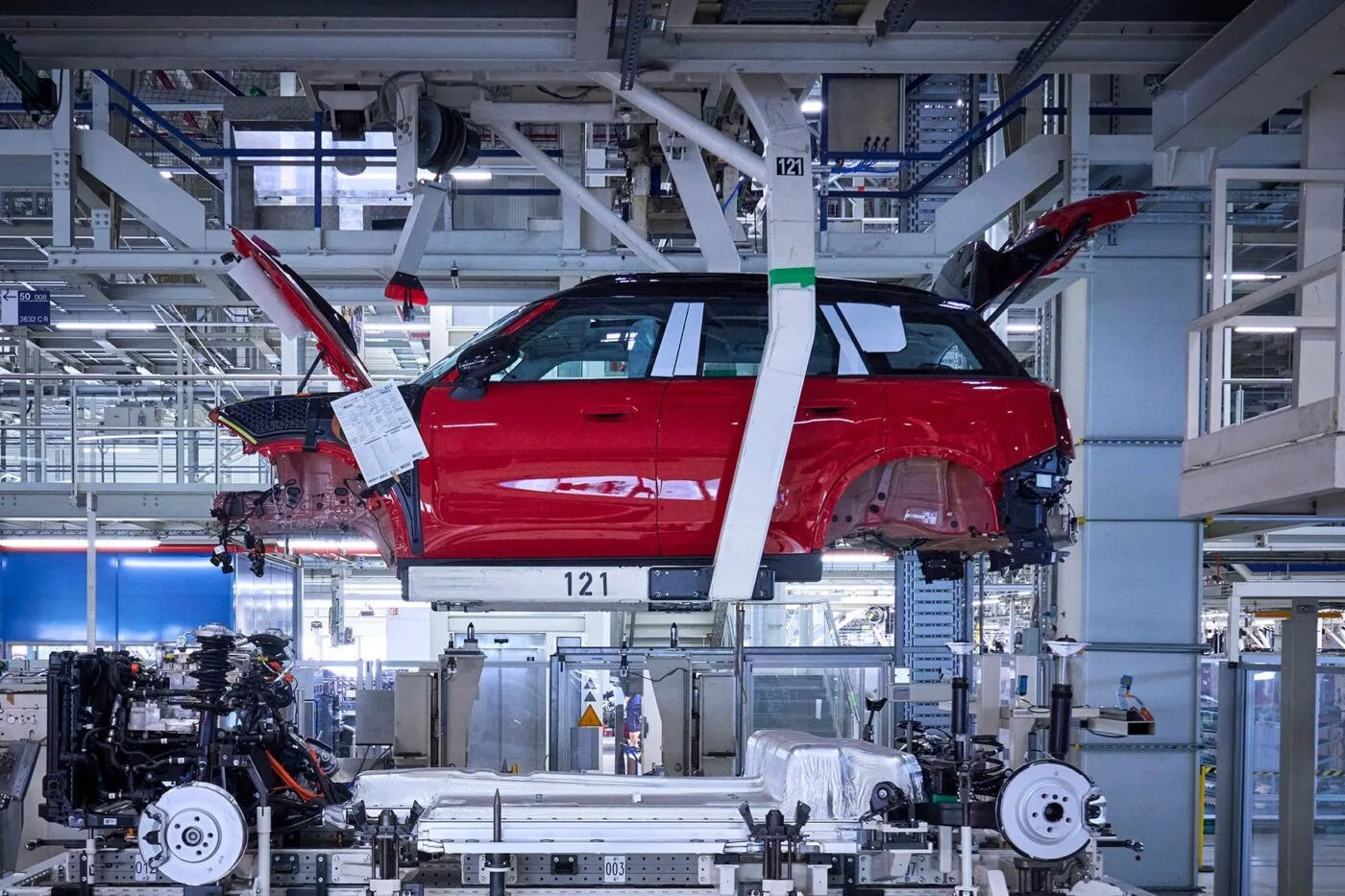
BMW is preparing its Leipzig plant for production of electric vehicles based on its next-generation Neue Klasse platform, with the factory set to undergo extensive upgrades during a five-and-a-half-week production shutdown this summer.
The move marks another step in BMW’s broader transition toward electric mobility, although the company has not yet disclosed which Neue Klasse models will be manufactured at the eastern Germany facility.
Major Factory Upgrade Planned
Plant Director Petra Peterhänsel said the Leipzig site is being prepared for the arrival of the Neue Klasse vehicle family, BMW’s new generation of electric vehicles built on a dedicated EV architecture.
“We are preparing for the Neue Klasse,” Peterhänsel told German news agency dpa.
The preparations will include a comprehensive modernization program during a planned production pause lasting more than five weeks.
BMW has not revealed details about the future production lineup at Leipzig, but the facility currently focuses on compact vehicle models, including the BMW 1 Series, BMW 2 Series Gran Coupé, BMW 2 Series Active Tourer, and the Mini Countryman.
Leipzig Has Long EV History
The Leipzig plant played a key role in BMW’s early electric vehicle strategy.
From 2013 to 2022, the factory produced the BMW i3, the company’s first mass-produced battery-electric vehicle and one of the pioneering EVs in the premium automotive segment.
BMW has since revived the i3 name for a new all-electric sedan based on the Neue Klasse platform. However, production of the new model is scheduled to begin at BMW’s Munich plant in August rather than Leipzig.
Given Leipzig’s current focus on compact vehicles, industry observers expect the site to manufacture smaller Neue Klasse models rather than larger vehicles.
Investments Support Future Production
BMW announced plans last year to invest hundreds of millions of euros in expanding and modernizing the Leipzig facility as part of preparations for future vehicle generations.
The investments include upgrades to manufacturing infrastructure and production systems required for next-generation vehicle platforms.
The company’s works council has also advocated for a greater role for Leipzig in BMW’s electric vehicle manufacturing strategy.
Two Decades of Vehicle Production
The Leipzig factory celebrated its 20th anniversary last year, highlighting its importance within BMW’s global production network.
Since production began on March 1, 2005, more than four million vehicles have been built at the site.
BMW said it has invested more than €5.6 billion in the plant over the past two decades, creating approximately 6,680 direct jobs.
Including employees working for logistics and service providers, more than 11,600 people are employed at the Leipzig facility.
Neue Klasse Central to BMW’s EV Strategy
The Neue Klasse platform is expected to play a central role in BMW’s future electric vehicle lineup.
The architecture introduces new battery technology, advanced software systems, improved efficiency, and faster charging capabilities compared with current BMW electric models.
BMW plans to gradually roll out multiple Neue Klasse-based vehicles across different segments as it expands its electric vehicle portfolio over the coming years.
The Leipzig upgrades underscore the company’s efforts to prepare its manufacturing network for large-scale production of the next generation of battery-electric vehicles.
Source: Handelsblatt


