


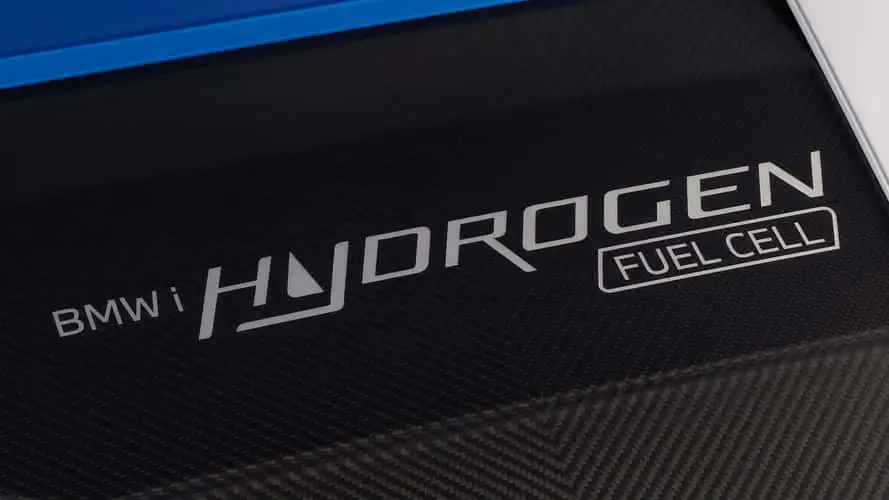
BMW is moving ahead with plans to bring its first production hydrogen fuel-cell vehicle to market by 2028, despite slowing consumer interest in battery electric vehicles (BEVs) and a renewed focus on hybrid and combustion engine development across the automotive industry.
The German automaker confirmed that the hydrogen-powered model will likely be based on the next-generation X5 SUV. BMW has previously introduced only hydrogen prototypes, including the iX5 fuel-cell vehicle revealed in 2024.
“We believe the timing is right,” said Dr. Jürgen Guldner, General Program Manager for Hydrogen Technology at BMW, in an interview with Driving Hydrogen. “Since we’ve been pioneering both battery electric and hydrogen technologies, we’re ready to lead.”
BMW continues to see potential in hydrogen propulsion as a complement to BEVs, citing advantages such as faster refueling times and the ability to deliver a quiet, zero-emissions driving experience. “Hydrogen vehicles offer the electric driving experience… but can be refueled in three or four minutes, like a gas car,” Guldner said.
The company has partnered with Toyota to develop hydrogen fuel-cell technology, with Toyota supplying the cells used in the current iX5 prototype. Guldner confirmed that the partnership will extend through the development of the 2028 production model, as the companies work to achieve scale in system design and component manufacturing.
BMW joins other manufacturers—such as Honda, Hyundai, and Toyota—in maintaining interest in hydrogen as part of a longer-term strategy to reduce reliance on gasoline. Hydrogen fueling infrastructure is also improving in markets like Europe, Japan, and South Korea, which could support broader adoption of the technology.
To date, commercial success for hydrogen-powered passenger vehicles has been limited, with automakers seeing more traction in commercial and heavy-duty applications.


