





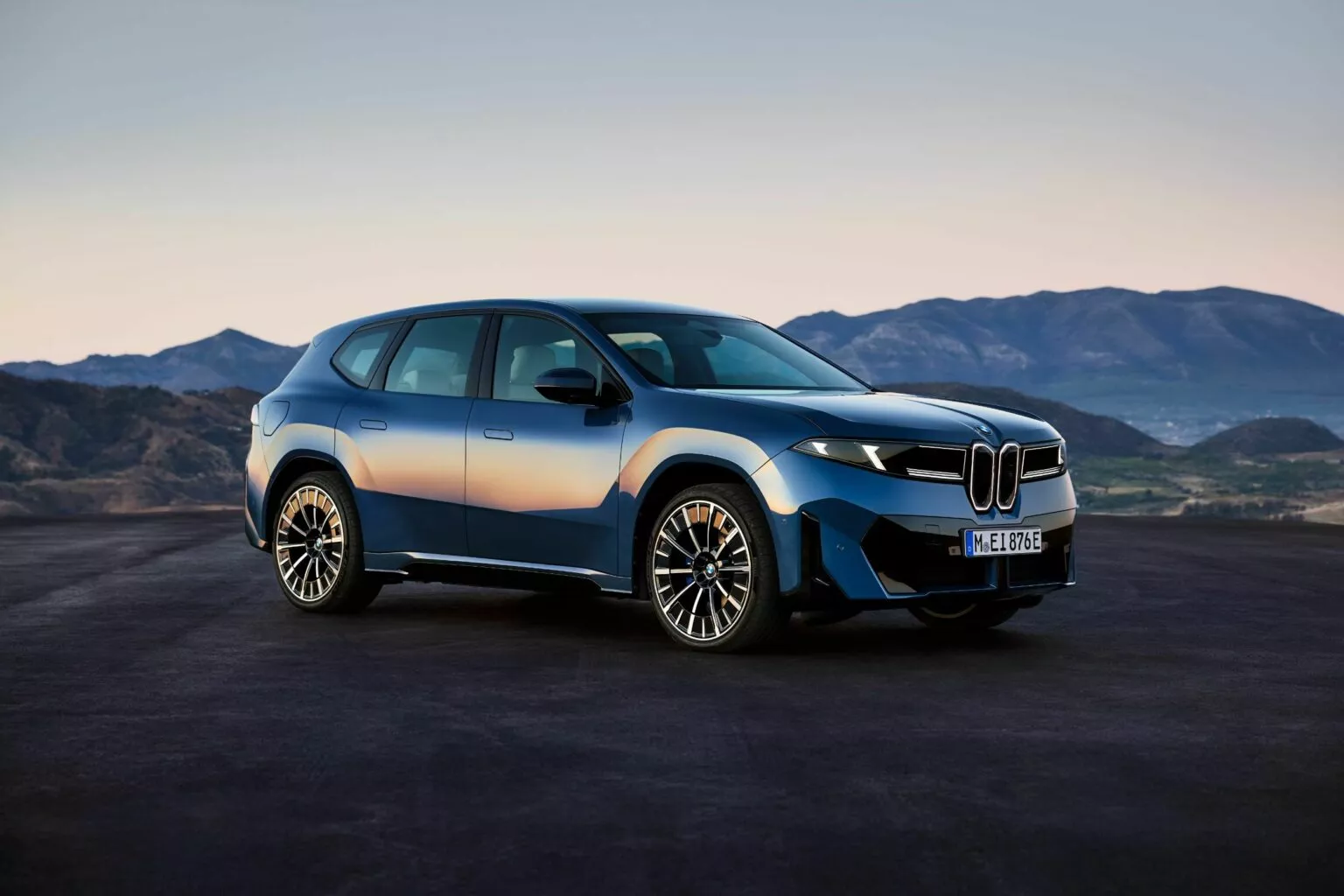
BMW has unveiled the second-generation iX3, the first production model built on its Neue Klasse platform, which the automaker says will shape the future of its electric lineup. The SUV introduces a new design language, a purpose-built EV platform, and four high-performance processors BMW calls its “superbrains.”
The iX3 50 xDrive, the first version to reach showrooms, is due in mid-2026 with a starting price of about $60,000. It delivers 463 horsepower (345 kW) from dual motors with all-wheel drive and an estimated 400-mile (644 km) range on the U.S. EPA cycle. Charging speeds will reach up to 400 kW, enabling the vehicle to add 230 miles of range in just 10 minutes or go from 10% to 80% in 21 minutes, the company said.

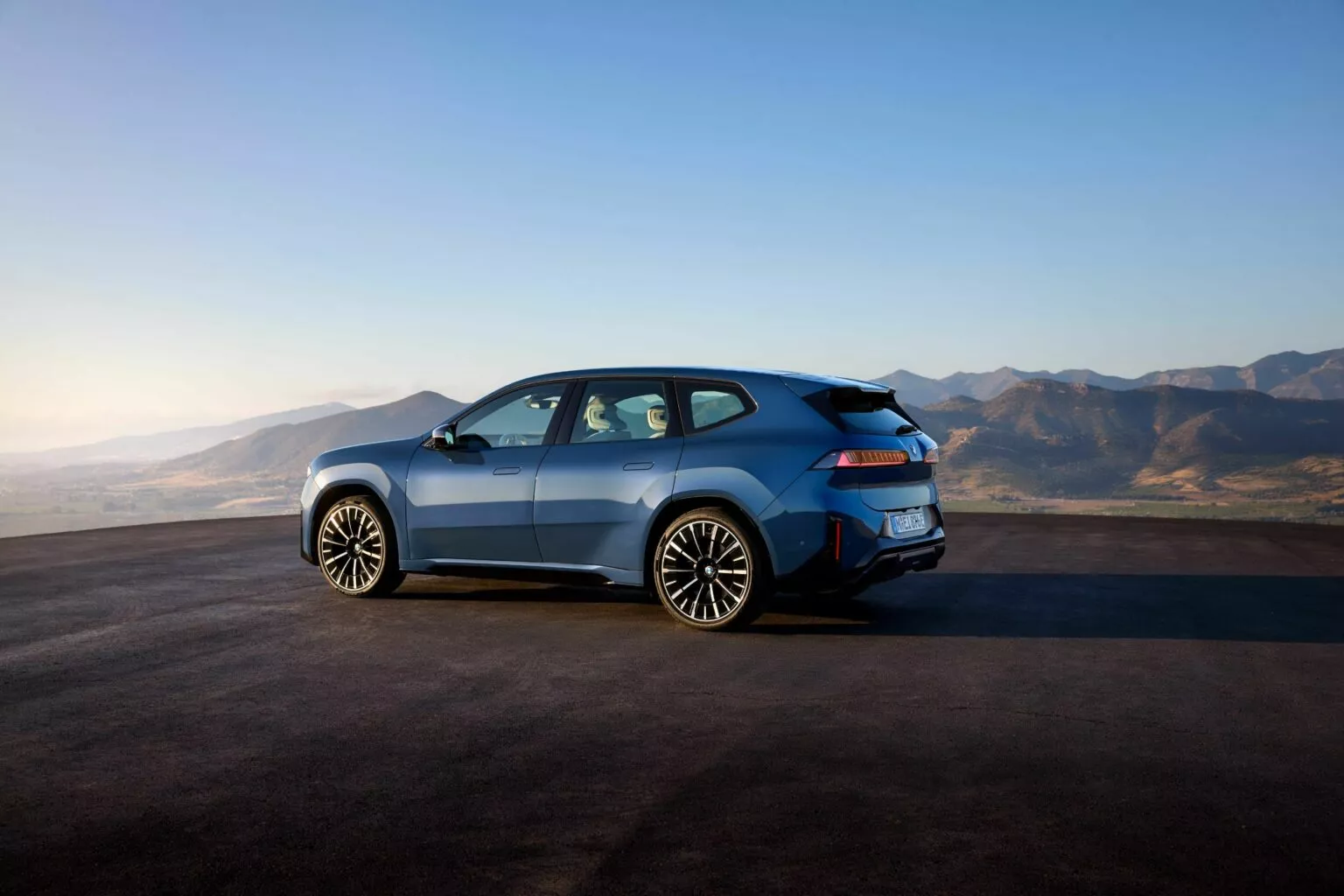
Adrian van Hooydonk, head of BMW Group Design, said the styling signals the next chapter of the brand. “The design of the Neue Klasse provides a very modern interpretation of what BMW has always stood for,” he said. “With our new design language, the new BMW iX3 looks future-focused, modern, and timeless – but, above all, more BMW than ever.”
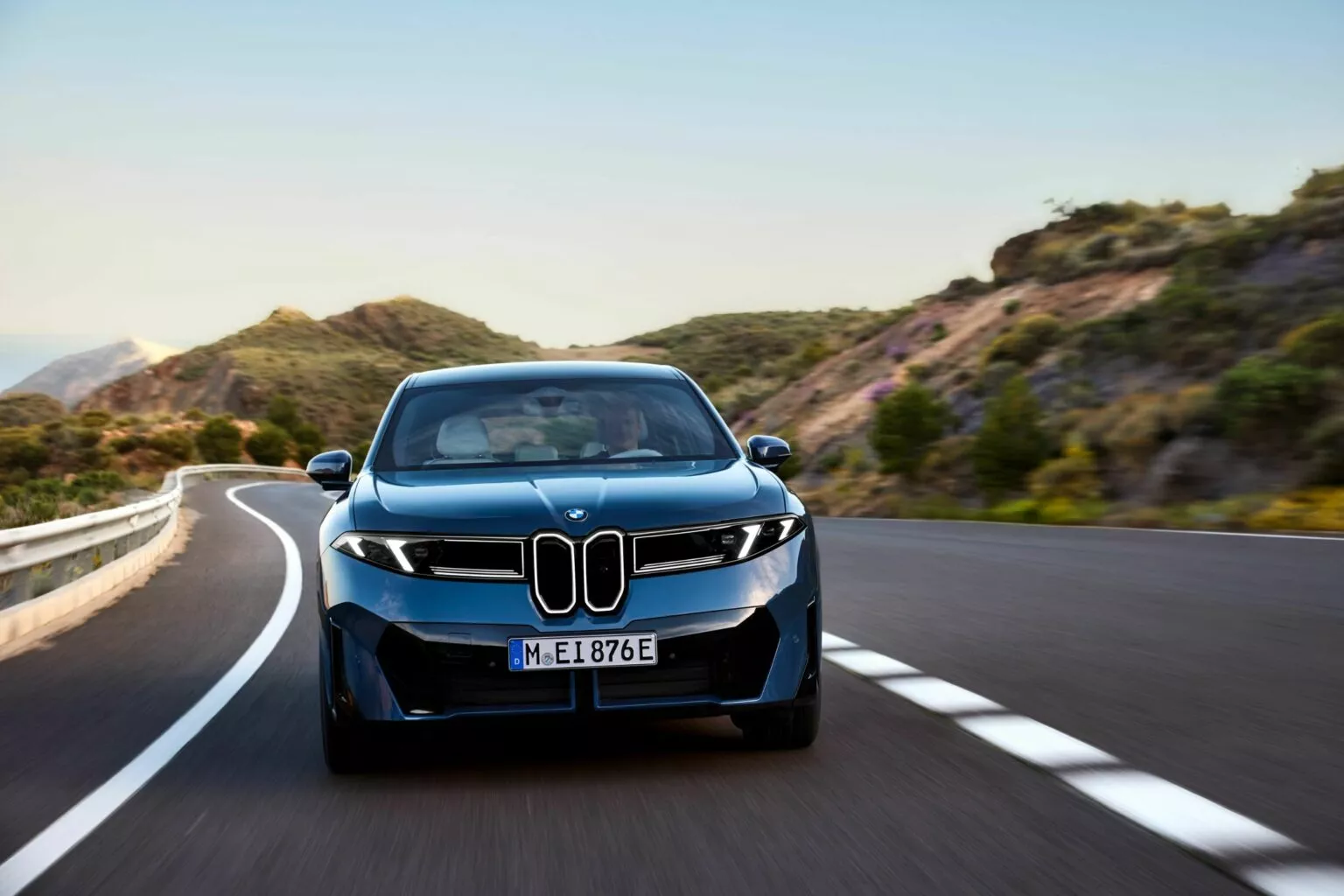
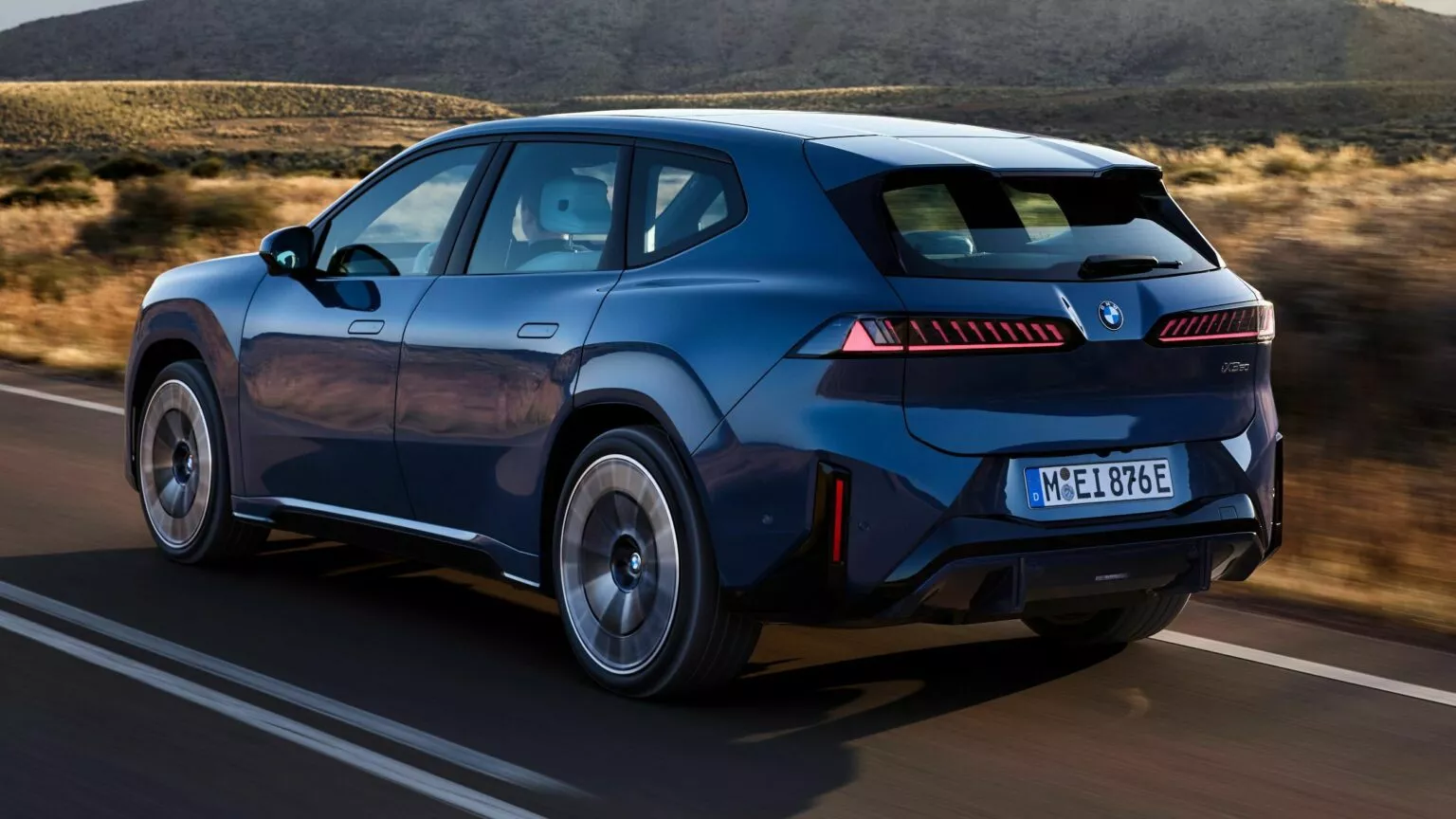
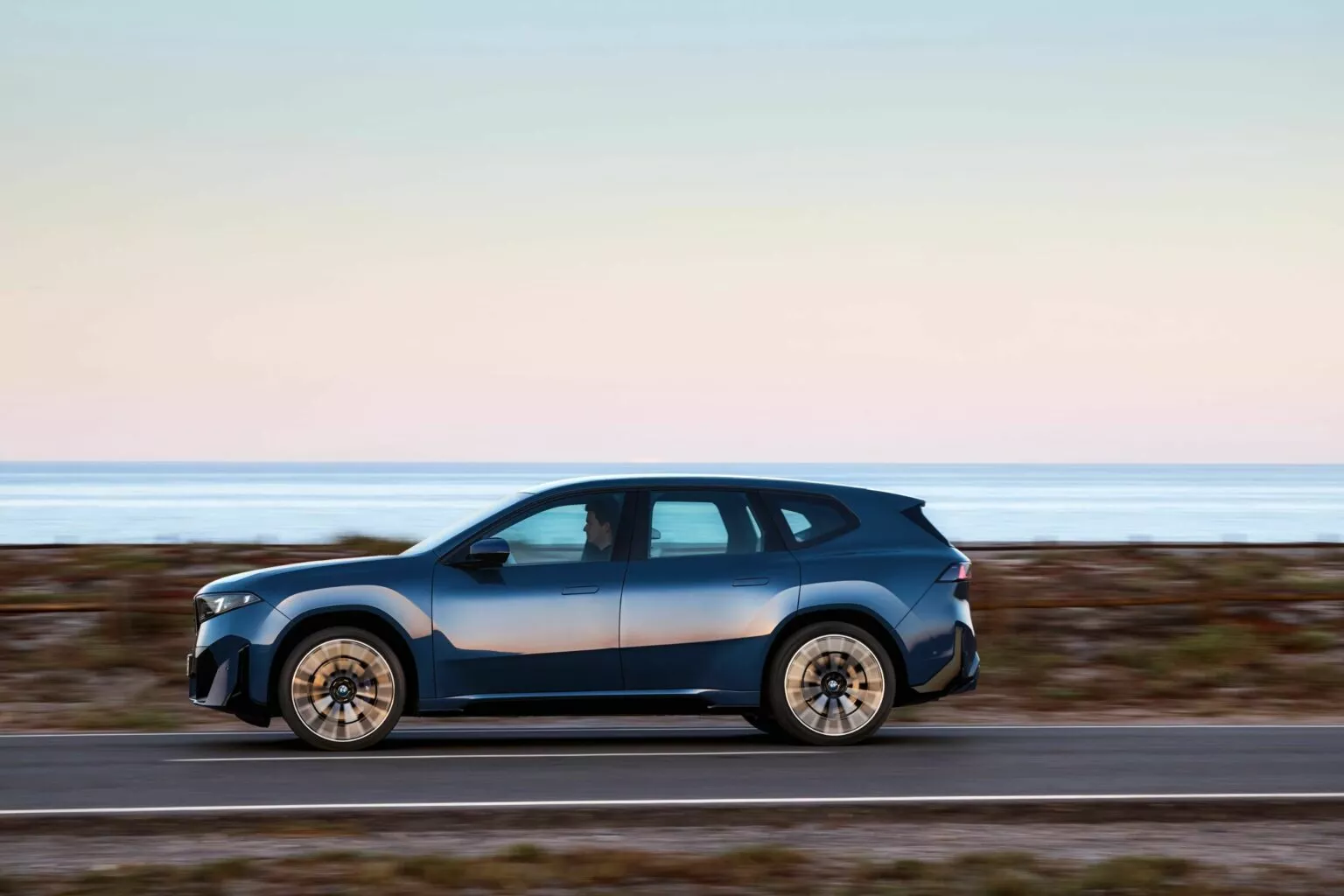
The new iX3 carries forward many design cues from the Vision Neue Klasse X concept shown in 2024. Its vertical kidney grille and twin headlights draw inspiration from historic models such as the BMW 2002, while updated aerodynamics reduce the drag coefficient to 0.24, down from 0.29 in the previous iX3. Buyers will be able to select M Sport and M Sport Professional packages that add unique body kits, wheels up to 22 inches, and illuminated grille options.
Dimensions have also grown. At 188.3 inches (4,783 mm) in length, the SUV is nearly two inches longer than its predecessor, with a wheelbase extended by 1.3 inches (34 mm). Cargo space measures 30.4 cubic feet (861 liters) with the seats up and up to 65 cubic feet (1,841 liters) with the seats folded under U.S. standards, alongside a small front trunk of 2 cubic feet (57 liters).
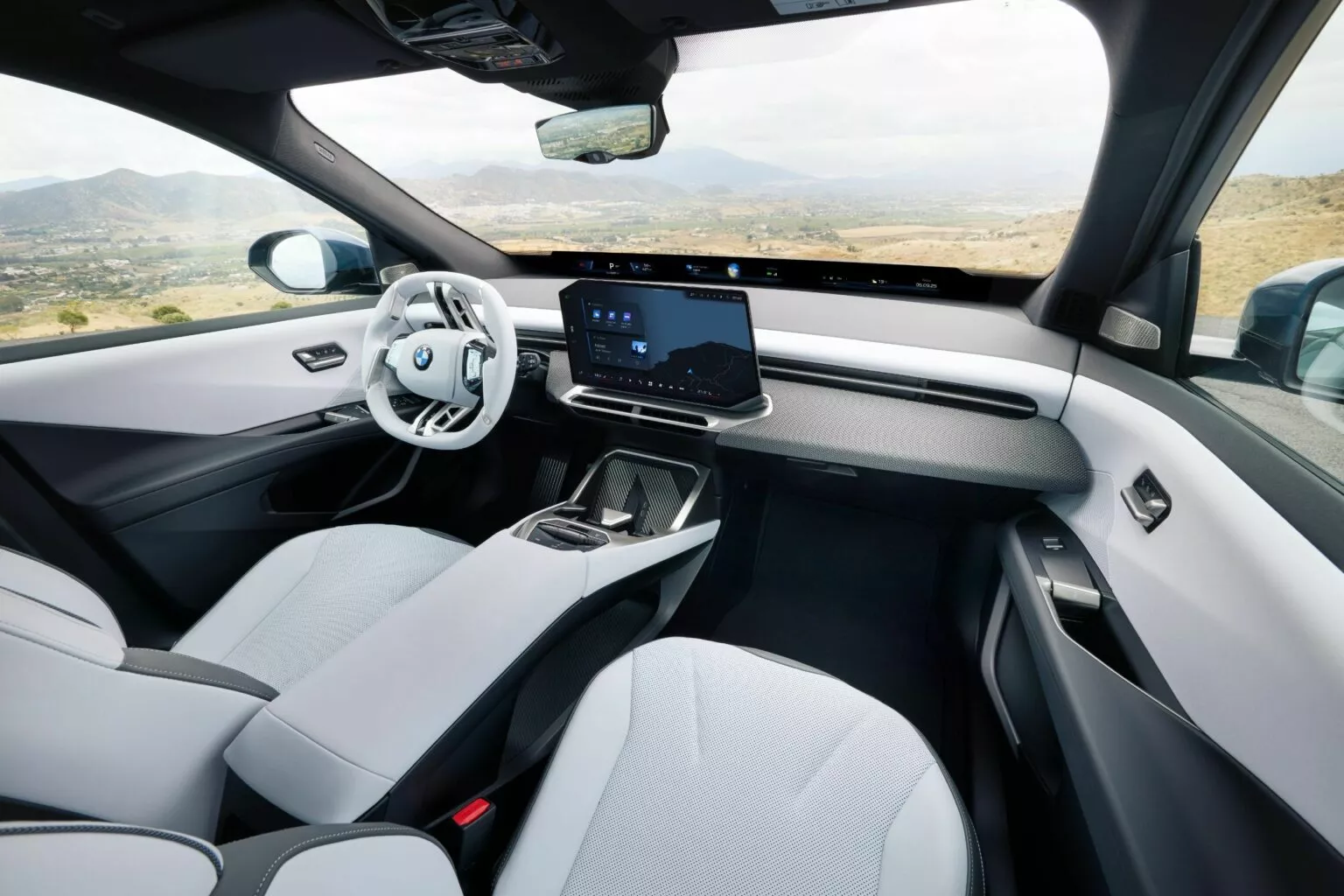
Inside, the centerpiece is the Panoramic iDrive, a full-width digital display that runs along the base of the windshield. It is paired with a 17.9-inch central screen and an optional 3D head-up display, all powered by BMW’s new Operating System X. The cabin keeps some physical controls for essentials such as wipers, mirrors, and gear selection but integrates climate functions into the screen. Options will include a Harman Kardon sound system, a panoramic moonroof, and three-zone climate control.

BMW is also introducing new driving sounds and effects with the HypersonX soundscape, part of efforts to enhance the sensory experience in electric models.
The Neue Klasse platform debuts BMW’s sixth-generation eDrive technology, combining new electric motors with high-density cylindrical battery cells. The company has not disclosed battery capacity but has emphasized the model’s efficiency. The architecture also supports bidirectional charging and will be capable of over-the-air software upgrades.
BMW said the four “superbrains” onboard give the vehicle a digital nervous system. One unit, known as the “Heart of Joy,” manages drivetrain functions including steering, braking, and energy recuperation. Another is dedicated to automated driving and parking. The iX3 will come standard with Active Driving Assistant Plus and offer Highway Assistant, which allows extended hands-free driving under certain conditions.
“The Neue Klasse iX3 is designed as a software-defined vehicle,” BMW said in a statement, noting that updates and new functions will be delivered throughout its lifecycle.
The initial iX3 50 xDrive will accelerate from 0 to 60 mph (97 km/h) in 4.7 seconds and reach a top speed of 130 mph (209 km/h). BMW said additional variants are planned, including a rear-drive single-motor version and a performance-oriented model from BMW M.
In terms of competition, the iX3 will enter a growing premium EV SUV market that includes the Audi Q6 e-tron, Porsche Macan EV, and Mercedes-Benz’s upcoming GLC EV, as well as Tesla’s Model Y Performance. Production for U.S. models will begin in early 2026 at BMW’s new plant in Debrecen, Hungary.


