


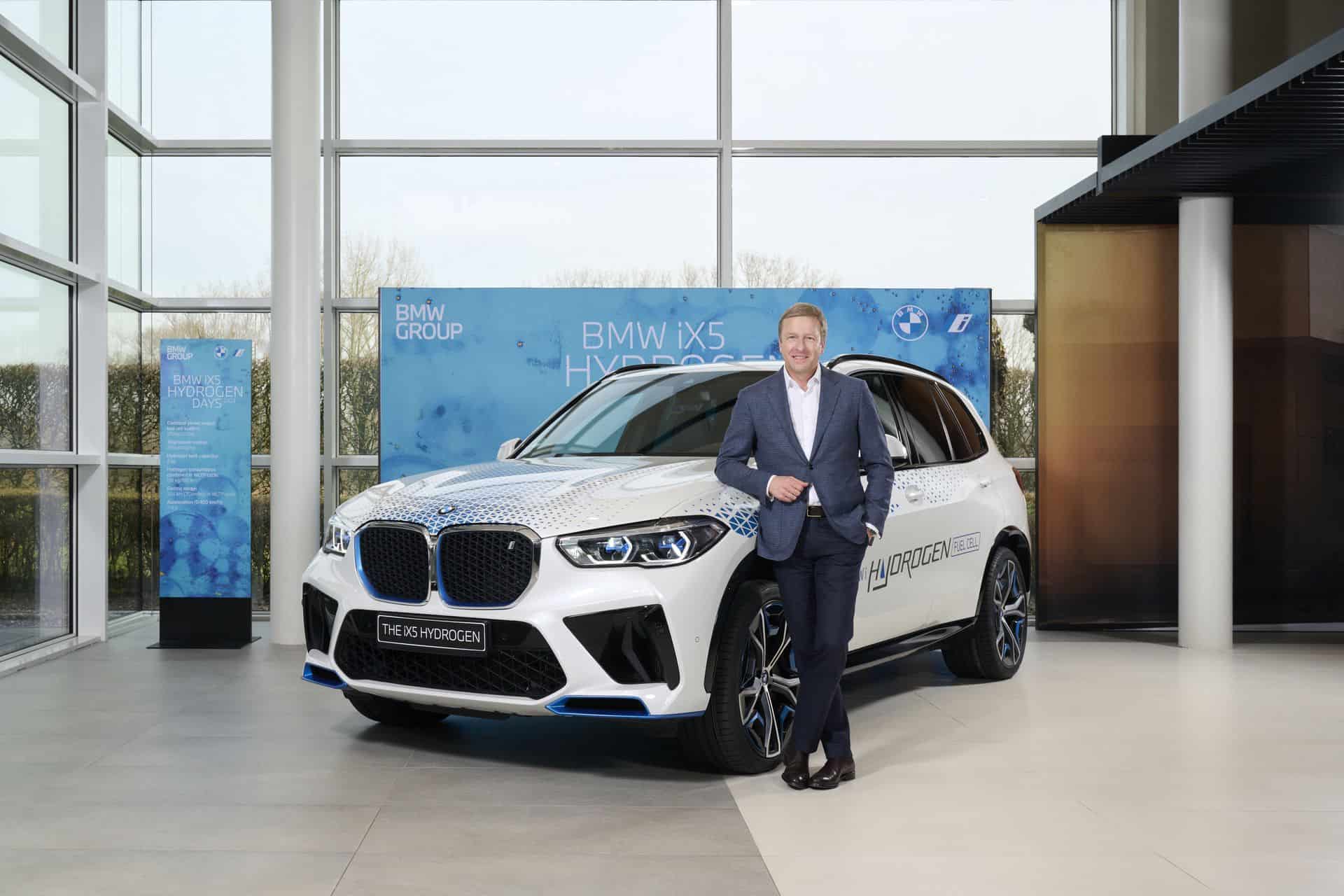
BMW Group CEO Oliver Zipse has intensified his warning that Europe is losing ground in the global push to industrialize hydrogen technologies, saying investment momentum has shifted decisively to Asia and the United States. Speaking at the Automobilwoche Kongress, he emphasized—as reported by Automotive News—that hydrogen has evolved from an experimental niche into a strategically scaled technology, and that Europe is not keeping pace.
Zipse said regional competitors, including China, Japan, Korea and the U.S., are pursuing long-term hydrogen strategies even as Europe focuses primarily on battery-electric vehicles. “The biggest investments in next-generation drivetrains are now happening in Asia and the United States, not in Europe,” he said.
See also: BMW Confirms Next-Generation X5 to Include Hydrogen Fuel Cell Model by 2028

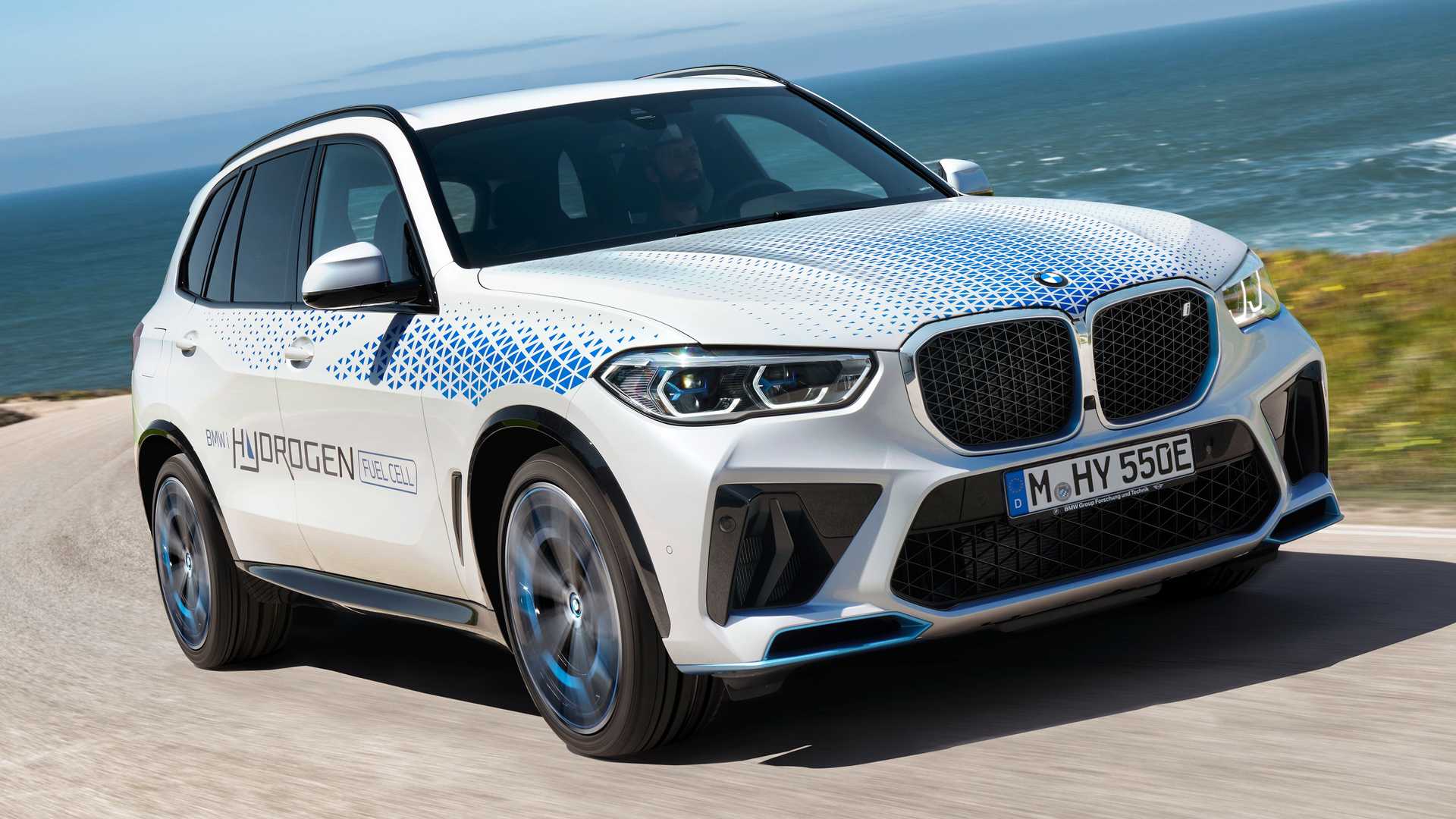
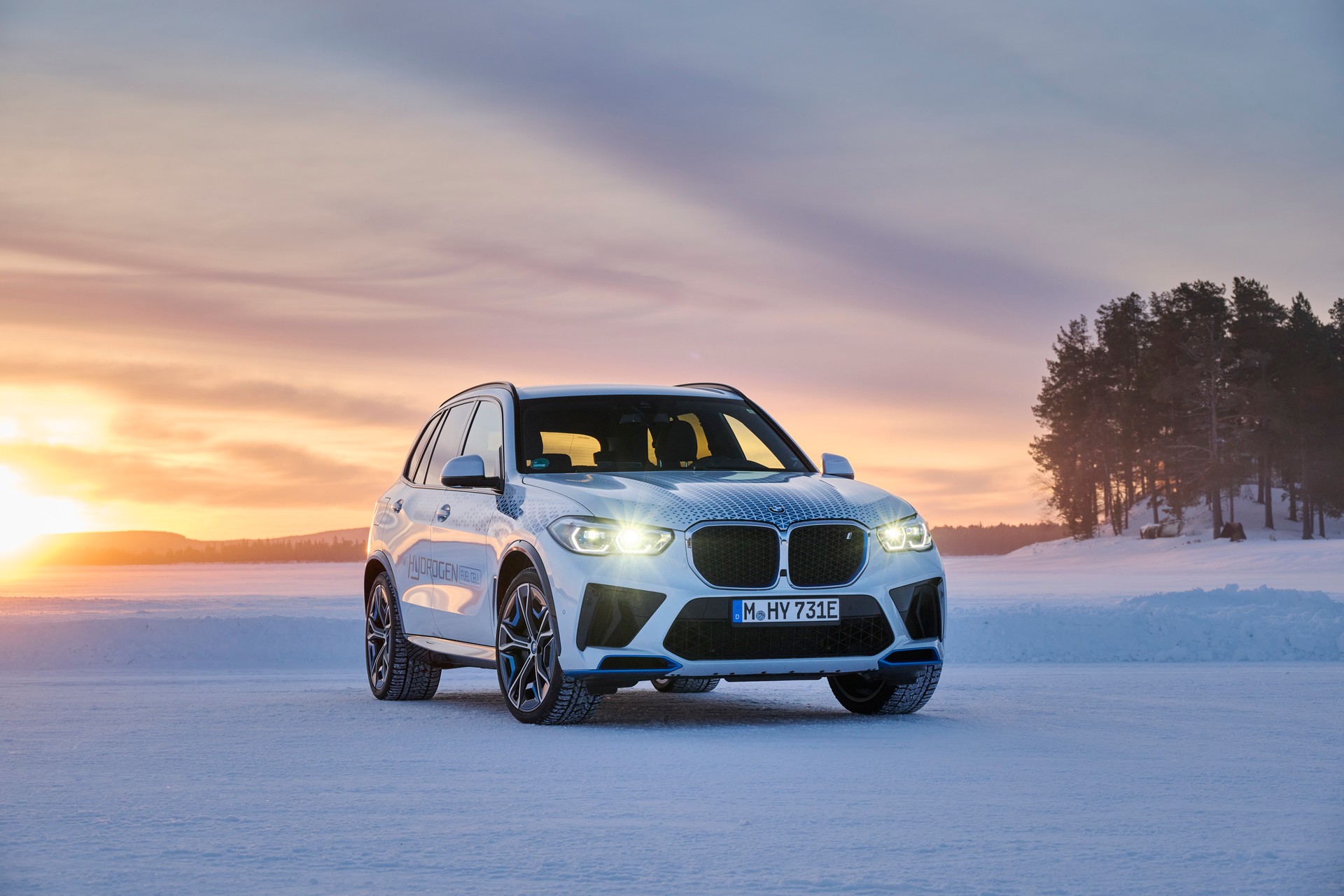
BMW remains one of the only European carmakers continuing to develop hydrogen fuel cell passenger vehicles. The company has worked on hydrogen technologies for decades, transitioning from early combustion prototypes to modern fuel cell systems built on electric drivetrains. The approach mirrors BEV architecture but generates electricity onboard, offering fast refueling and stable performance in extreme temperatures.
The centrepiece of BMW’s hydrogen strategy is the iX5 Hydrogen, which will enter low-volume series production in 2028 after years of global testing. Its fuel cell stack is built in Germany, paired with high-pressure hydrogen tanks and a small battery buffer for peak output. BMW designed the system to integrate into the existing X5 platform with limited structural changes—part of its broader strategy to keep future platforms propulsion-flexible.
See also: BMW Deploys First Hydrogen-Powered Trucks in Freight Operations

BMW’s hydrogen development is supported by €273 million in public funding from the German federal government and the state of Bavaria under the EU’s IPCEI Hydrogen initiative. However, Zipse argued this support still trails behind the industrial commitments seen in other regions. He warned that Europe risks losing influence over an entire technology sector if it continues to frame future mobility through a “tailpipe-only” regulatory lens.
Critics of hydrogen remain sceptical, citing high costs, infrastructure shortages and efficiency losses compared with BEVs. These views reflect Europe’s broader policy landscape, which expects battery-electric vehicles to dominate new car sales from the mid-2030s. Zipse has emerged as one of the strongest industry voices calling for lifecycle-based regulations rather than an exclusive focus on exhaust emissions.
See also: BMW to Transition Regensburg Plant Logistics to Hydrogen by 2030
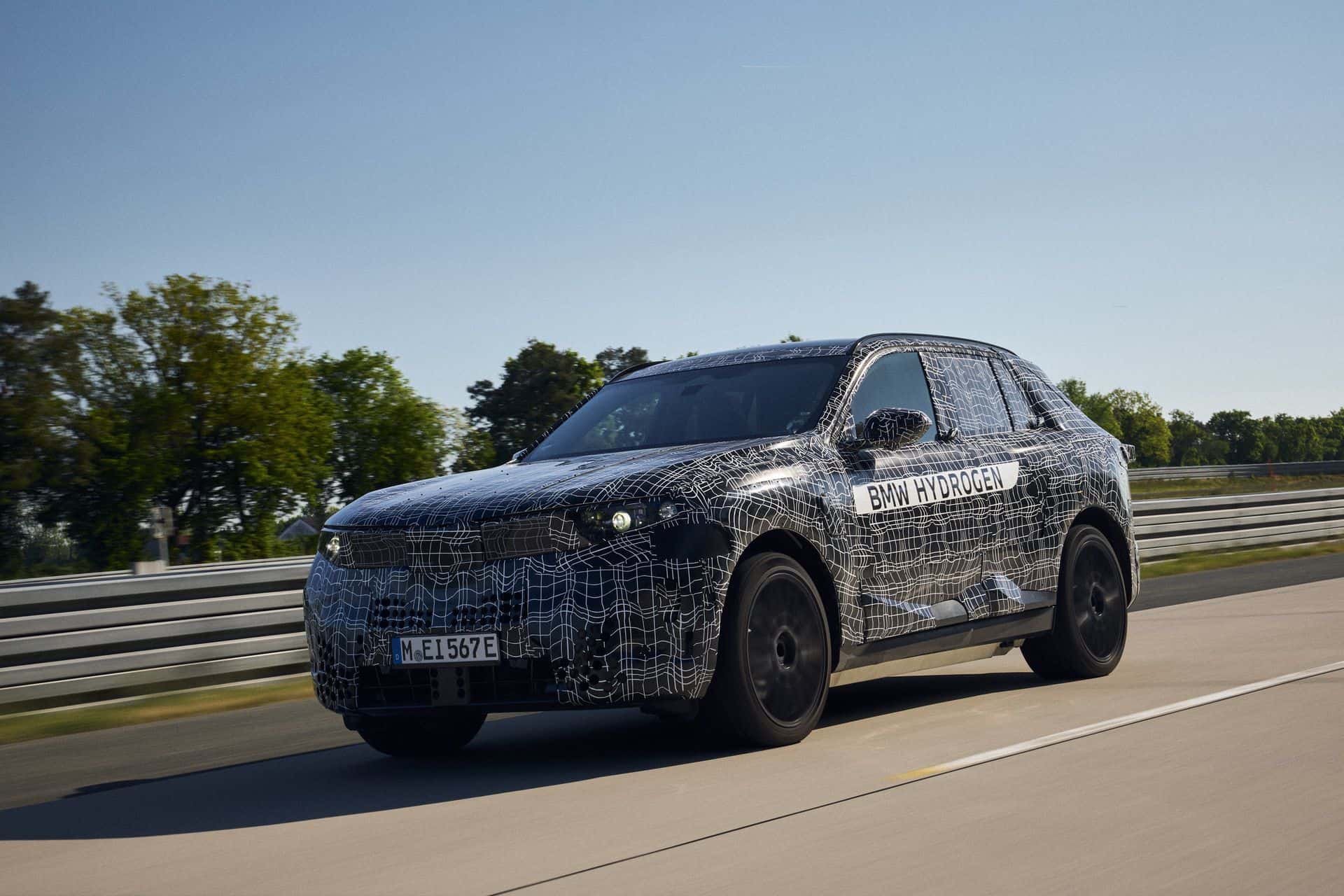
BMW says hydrogen is not intended to replace BEVs but to serve specific markets where fast charging, grid capacity or long-distance needs pose challenges for battery-electric adoption. The company expects hydrogen to play a growing role later this decade provided Europe advances infrastructure, funding and regulatory flexibility.


