
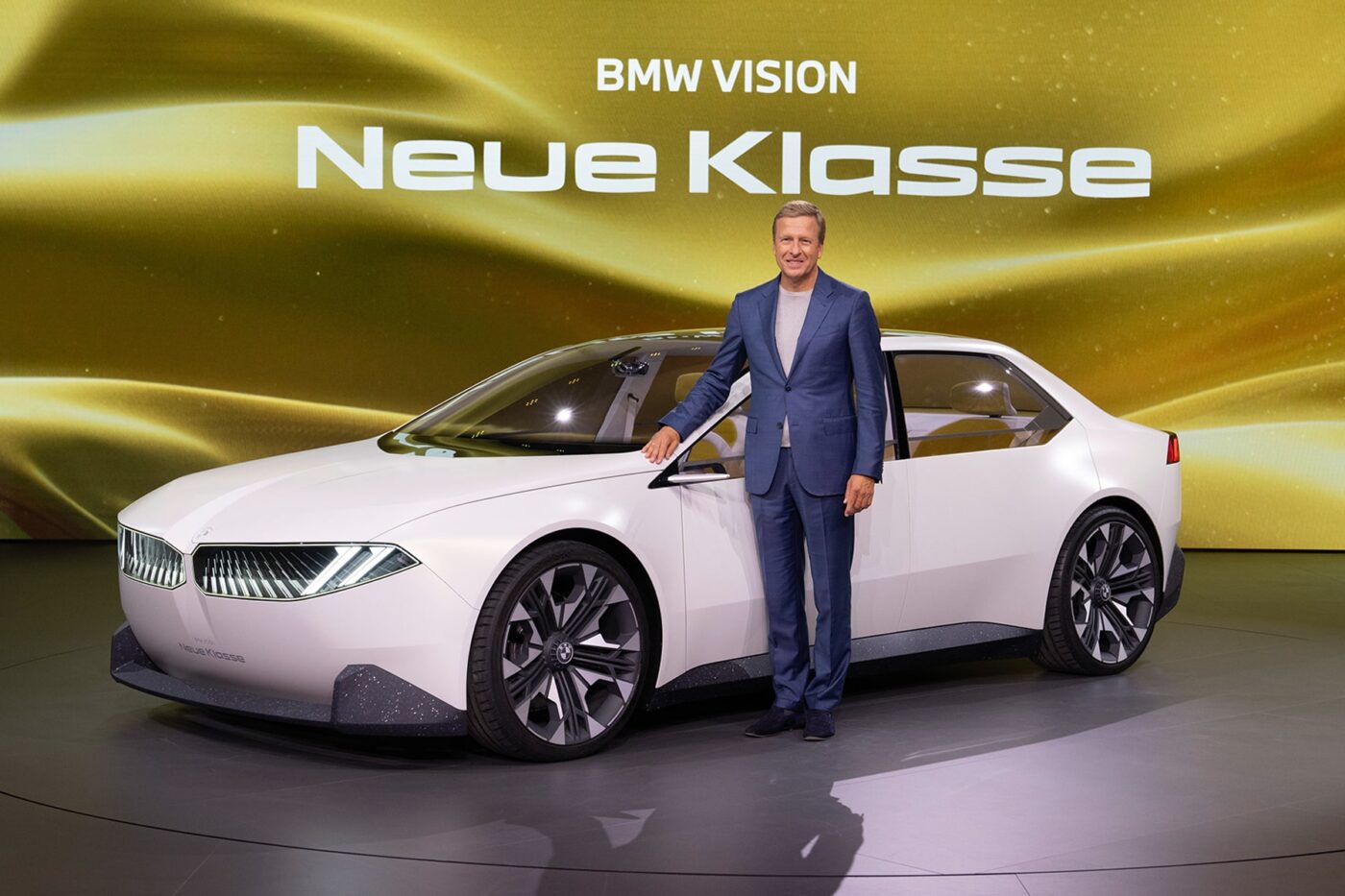
BMW Chief Executive Officer Oliver Zipse said on Friday he was optimistic the European Union and the United States could soon reach a “manageable” agreement on auto import tariffs, possibly including a system that offsets imports with exports.
Speaking at a company event in Munich, Zipse said both sides were likely to settle on terms that would limit the impact of tariffs on automakers. His comments came as the EU awaited a potential letter from the U.S. administration under Donald Trump outlining a framework for a trade deal and clarifying possible tariff rates on European automotive exports. Trump said on Thursday the letter could be delivered by Friday.
“I’m optimistic that there will be a manageable outcome, but we have to wait for the result,” Zipse told reporters. He added that a so-called “netting mechanism” — which could allow exports from the U.S. to offset vehicle imports — might be included in the agreement.
BMW could benefit significantly from such an arrangement, given that its largest production site is located in Spartanburg, South Carolina. The company exported 225,000 vehicles from the U.S. in 2024, with total U.S. export value exceeding $10 billion. Zipse said the offset could be calculated based on export value rather than unit volume.
Sources familiar with the matter said a deal could also apply to imports of auto parts. “We have an important point because we are the largest car exporter in the U.S.,” Zipse said.
European carmakers have been assessing their exposure to potential tariff increases as trade talks between Washington and Brussels continue. Earlier this week, sources told Reuters that the European Commission had offered a package of measures to ease tensions, including export and investment credits as well as mutual reductions in existing tariffs.
Source: Reuters