
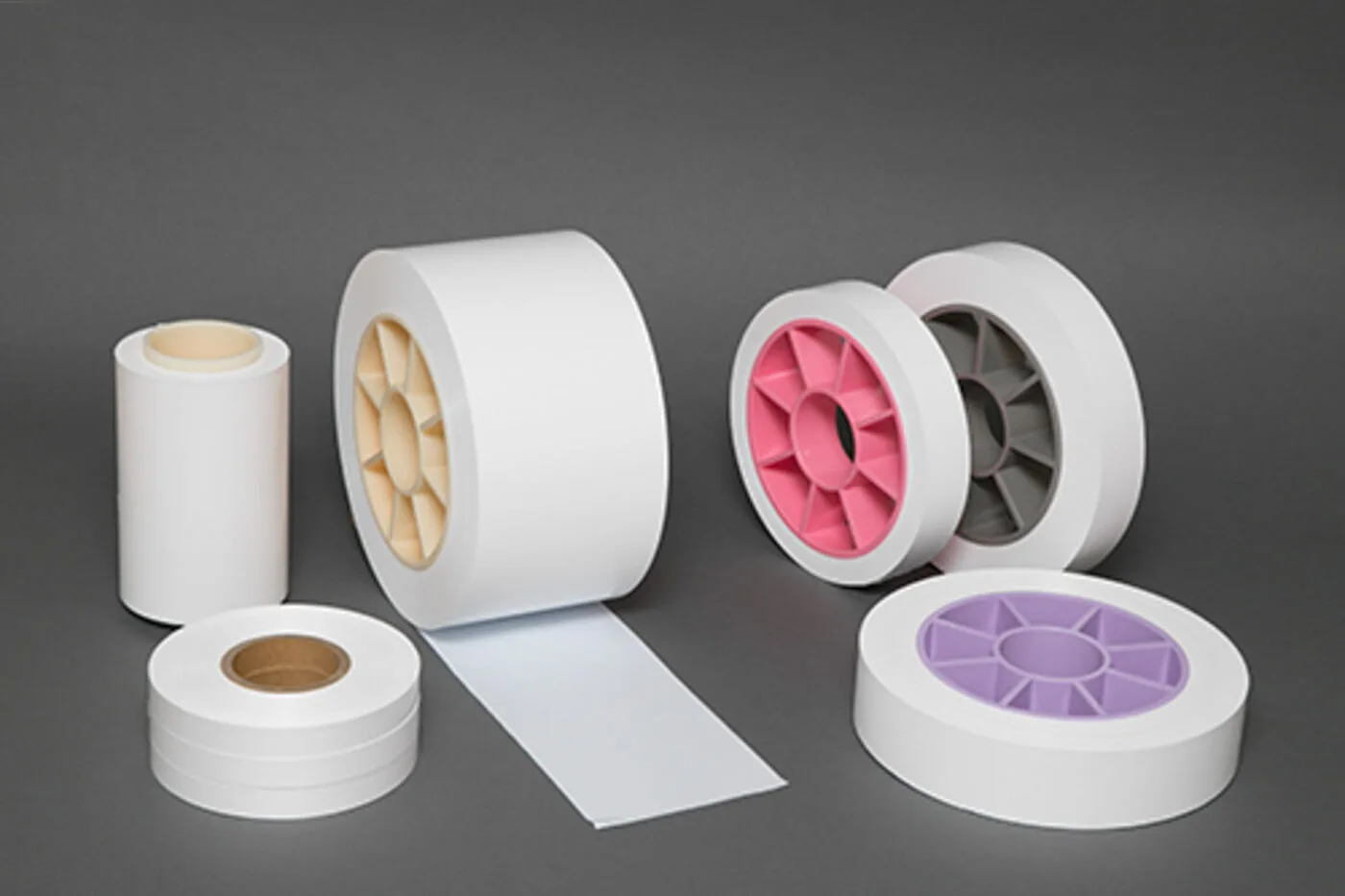
Japanese chemical company Asahi Kasei has opened a new coating line for Hipore wet-process battery separators at its existing Celgard site in Charlotte, North Carolina, establishing the first step toward a regional supply structure for wet-process separator production in North America.
The facility is scheduled to begin commercial production in the second half of fiscal 2026. The investment comes as Asahi Kasei expands its local battery-materials supply capabilities to support demand from battery-electric vehicles and stationary energy storage systems.
North American Separator Production
The new coating line has been constructed on the premises of Asahi Kasei’s existing Celgard plant, which has primarily produced dry-process battery separators.
EAS Batteries Launches LFP Cell With Enhanced Power Performance Using Asahi Kasei Electrolyte
The Charlotte site is marking its 40th anniversary as the company adds Hipore wet-process technology to its North American manufacturing operations. The expansion will allow Asahi Kasei to offer both Celgard dry-process and Hipore wet-process separator technologies from the region.
The company is also developing a battery separator factory in Canada. Together, the two projects are intended to establish a broader local supply structure for battery separator products in North America.
Ryu Taniguchi, President of Asahi Kasei Battery Separator Corporation, said the Charlotte facility represents a milestone in building the company’s regional battery separator supply platform.
“Opening the Charlotte coating line is a key milestone in establishing our North American supply platform for battery separators,” said Ryu Taniguchi, President of Asahi Kasei Battery Separator Corporation.
Taniguchi said the company plans to use Celgard’s existing workforce and operations while expanding its regional product portfolio to include both dry- and wet-process technologies.
Battery Separators for EVs and Energy Storage
Battery separators are thin, microporous plastic membranes used inside lithium-ion battery cells. They sit between the positive electrode, or cathode, and negative electrode, or anode.
The separator acts as an insulating layer that helps prevent physical contact between the electrodes and the resulting short circuits. At the same time, its microscopic pores allow lithium ions to pass through the membrane via the liquid electrolyte during battery operation.
Asahi Kasei and Toyota Tsusho Partner to Strengthen U.S. Battery Supply Chain
Asahi Kasei said its expanded North American production capabilities are intended to bring separator manufacturing closer to the region’s battery market.
The company expects the local supply structure to help it respond more directly to demand for battery components from electric vehicles and stationary energy storage systems.
Expansion of Asahi Kasei’s Battery Business
The Charlotte coating line and planned Canadian separator facility form part of Asahi Kasei’s efforts to expand regional production capabilities for battery separators.
The company expects the combination of Celgard’s existing dry-process operations, the new Hipore wet-process coating line and the planned Canadian facility to broaden its North American supply network as demand for lithium-ion battery components develops.