
The Australian Renewable Energy Agency (ARENA) has committed AU$4 million to a project testing vehicle-to-grid (V2G) technology across a fleet of 130 electric vehicles. The three-year initiative will assess whether fleet operators can reduce operating costs by supplying electricity grid services while maintaining vehicles’ day-to-day availability.
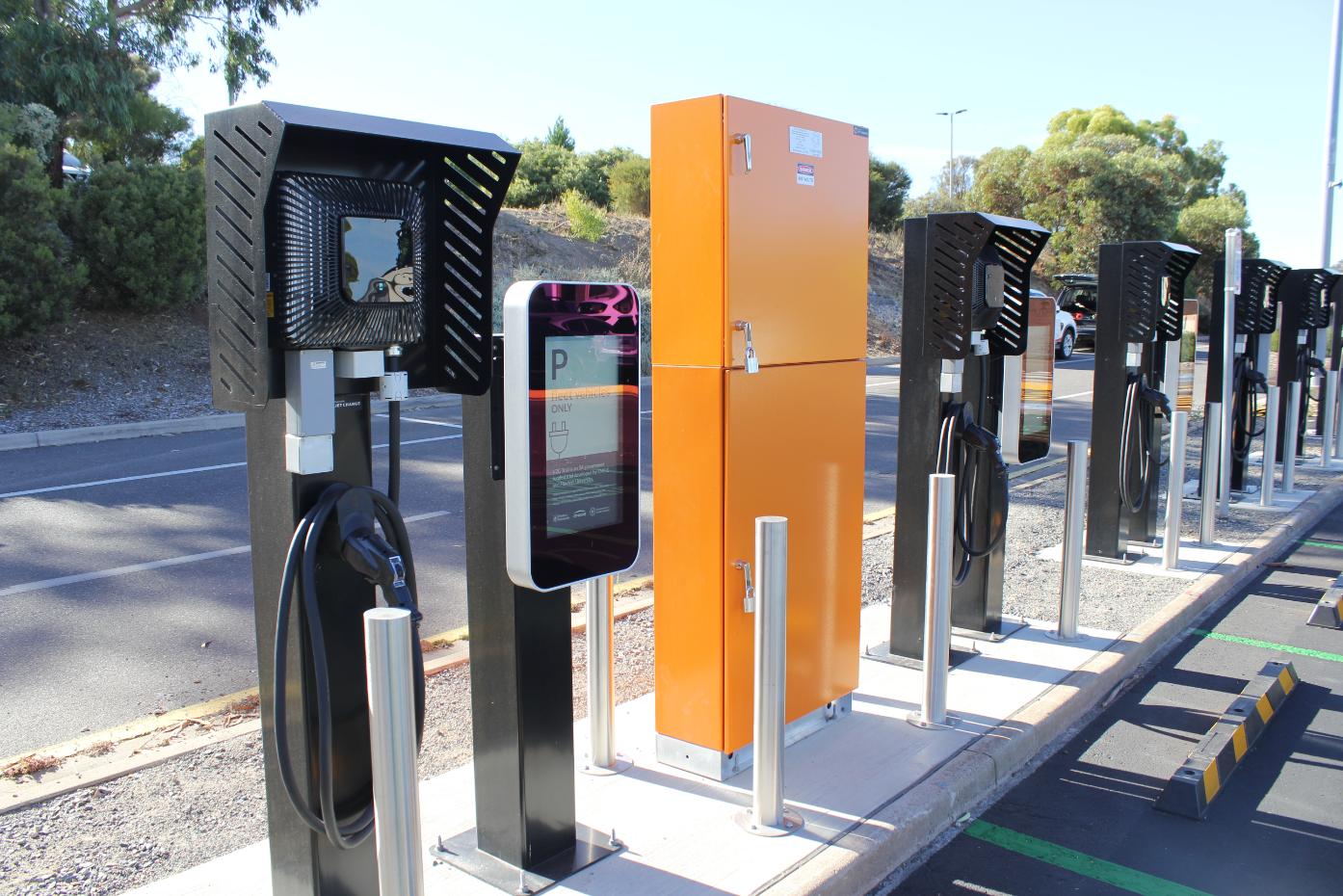
The project, known as Realising Electric Vehicle-to-Grid Services 2 (REVS2), will be led by charging infrastructure company JET Charge. It will pair the vehicles with bidirectional chargers that allow electricity to flow from the grid into vehicle batteries and back into the network when required.
The project is scheduled to run until June 2029, with a focus on assessing the commercial viability of V2G services for fleet operators.
Bidirectional Charging to Support Grid Operations
JET Charge will upgrade its charging management system to coordinate vehicle charging and discharging according to electricity tariffs, vehicle availability and grid requirements.
The system will seek to balance the potential value of returning electricity to the grid against the need to keep vehicles charged and ready for daily operations. This is a key consideration for commercial fleets, where vehicle availability and operating schedules can limit opportunities to provide grid services.
Energy company ActewAGL will contribute a virtual power plant tariff structure, while the Australian National University will assess the commercial benefits and share the findings with the wider fleet sector.
The research will examine whether revenue from grid services can offset the costs of operating electric vehicles and improve their total cost of ownership.
REVS2 Builds on Earlier Australian Trial
The initiative follows the original REVS project, funded by ARENA in 2020, which demonstrated that electric vehicles could provide services to the electricity grid through bidirectional charging.
REVS2 shifts the focus from demonstrating technical feasibility to assessing whether V2G can operate as a commercially viable service at fleet scale. It will explore how fleet operators can be incentivised to make their vehicle batteries available to the grid without compromising transport requirements.
ARENA CEO Darren Miller said the project would address a key challenge in expanding bidirectional charging in Australia.
“This project builds on the success of Australia’s first vehicle-to-grid trial by tackling a key missing piece for bidirectional charging in Australia: how large fleets can be incentivised to support the grid while still meeting their day-to-day transport needs.”
Miller said the project would provide real-world evidence of how fleet operators could be rewarded for supporting the electricity system, potentially making the transition to electric vehicles more attractive to businesses.
JET Charge CEO Tim Washington said the next step was to establish the technology’s commercial value.
“We know vehicle-to-grid technology works – we helped show that in the original REVS project,” Washington said. “Now we need to prove it makes commercial sense. If we can help fleets reduce their operating costs by supporting the grid, that’s a business case any CEO can get behind.”
V2G and Renewable Energy Integration
The funding forms part of broader efforts to make Australia’s electricity network more flexible as renewable energy generation expands. Bidirectional charging could allow electric vehicles to act as distributed energy resources, storing electricity when it is available and returning some of it to the grid when demand or system conditions justify doing so.
The potential benefits depend on factors including electricity prices, grid-service payments, battery degradation, charger costs and the availability of vehicles when the grid needs support. Fleet operating schedules will also determine how much stored energy can be made available without affecting transport services.
In July, the Australian government allocated AU$30 million to 14 projects under its Grid Enhancing Technologies programme, including initiatives involving V2G and smart electric vehicle charging.
The REVS2 project will add further evidence on whether these technologies can deliver measurable economic benefits for fleet operators while contributing to electricity network flexibility. Its findings could help inform the wider adoption of bidirectional charging across Australia’s commercial vehicle sector.