
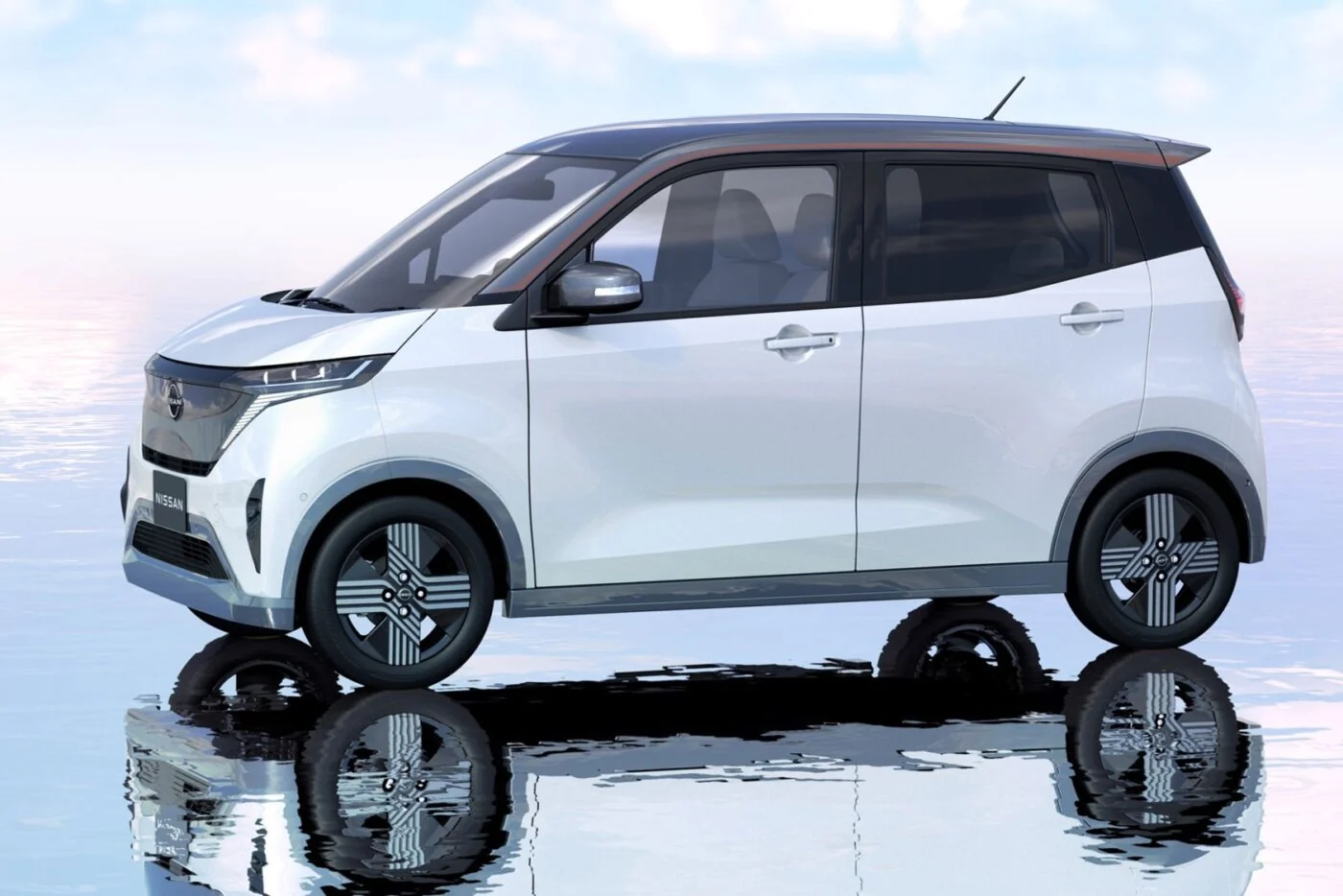
Japan will reduce government purchase subsidies for electric vehicles, plug-in hybrids and fuel cell vehicles from January 1, 2027, as demand for its Clean Energy Vehicle (CEV) incentive programme puts pressure on available funding.
The Ministry of Economy, Trade and Industry (METI) announced the revised subsidy limits on October 21. The new rates will apply to vehicles registered from January 2027, provided the existing programme is extended beyond that date. The changes are intended to help the remaining budget cover more eligible vehicle purchases.
New Subsidy Limits for 2027
The maximum subsidy for conventional battery-electric passenger cars will fall from 1.25 million yen to 750,000 yen, a reduction of 40%. Plug-in hybrid subsidies will also decrease by 40%, from 800,000 yen to 480,000 yen.
For fuel cell vehicles, the maximum incentive will decline from 1.45 million yen to 870,000 yen. Subsidies for Japan’s compact electric Kei cars will be reduced by 20%, from 550,000 yen to 440,000 yen.
These figures represent maximum subsidy levels rather than the amount every buyer receives. Actual payments depend on the vehicle model and its assessment under the programme’s criteria.
Model-Specific Incentives Also Decline
The revised programme includes changes to subsidies for individual vehicles. According to the published model-specific figures, several electric cars will receive substantially lower incentives for registrations from January 2027.
| Model | Subsidy Through 2026 | Subsidy From 2027 |
|---|---|---|
| Toyota bZ4X | ¥1.30 million | ¥780,000 |
| Nissan Leaf | ¥1.29 million | ¥774,000 |
| Tesla Model Y | ¥1.27 million | ¥762,000 |
| Nissan Sakura | ¥580,000 | ¥458,000 |
| BYD Atto 3 / Dolphin | ¥150,000 | ¥90,000 |
The figures illustrate how the revised rates will affect selected models. The Nissan Sakura, a Kei electric vehicle, faces a smaller reduction than the larger battery-electric cars listed.
Japan is also lowering environmental and climate-related bonuses for manufacturers. The maximum bonus associated with measures such as using lower-carbon steel will fall from 50,000 yen to 30,000 yen for regular electric cars and from 30,000 yen to 18,000 yen for Kei EVs.
Rising Demand Puts Pressure on Funding
The subsidy adjustments follow stronger-than-expected demand for the current programme, which was supported by approximately 110 billion yen in Japan’s fiscal 2025 supplementary budget.
The programme’s funding was expected to run out before the originally planned end of the application period if the previous subsidy rates remained unchanged. The government is reducing the incentives to extend the available funds across more applications.
Demand increased after Japan raised subsidy levels in January 2026. The maximum support for conventional electric passenger cars, including bonuses, rose from 900,000 yen in 2025 to as much as 1.3 million yen.
According to figures cited by Biggo Finance, domestic battery-electric vehicle sales reached 16,074 units in September 2026, an increase of 88.6% compared with the same month a year earlier.
Future Subsidy Programme Remains Uncertain
The revised rates apply to registrations from January 2027, subject to an extension of the existing CEV programme. Japan has not yet determined whether a replacement programme will follow or what funding levels it might provide.
For prospective buyers, the registration date and the individual model’s subsidy level will determine the support available. The reductions could also affect purchasing decisions as automakers compete in Japan’s expanding electric vehicle market.