
CATL has introduced a dual-battery system for heavy-duty electric trucks, combining a standardized swappable main battery with an independent on-board range-extension battery to improve energy utilization and reduce operating costs for freight fleets.
The world’s largest electric vehicle battery maker unveiled the system in Beijing on Tuesday alongside upgrades to its Qiji heavy-duty truck battery-swapping platform.
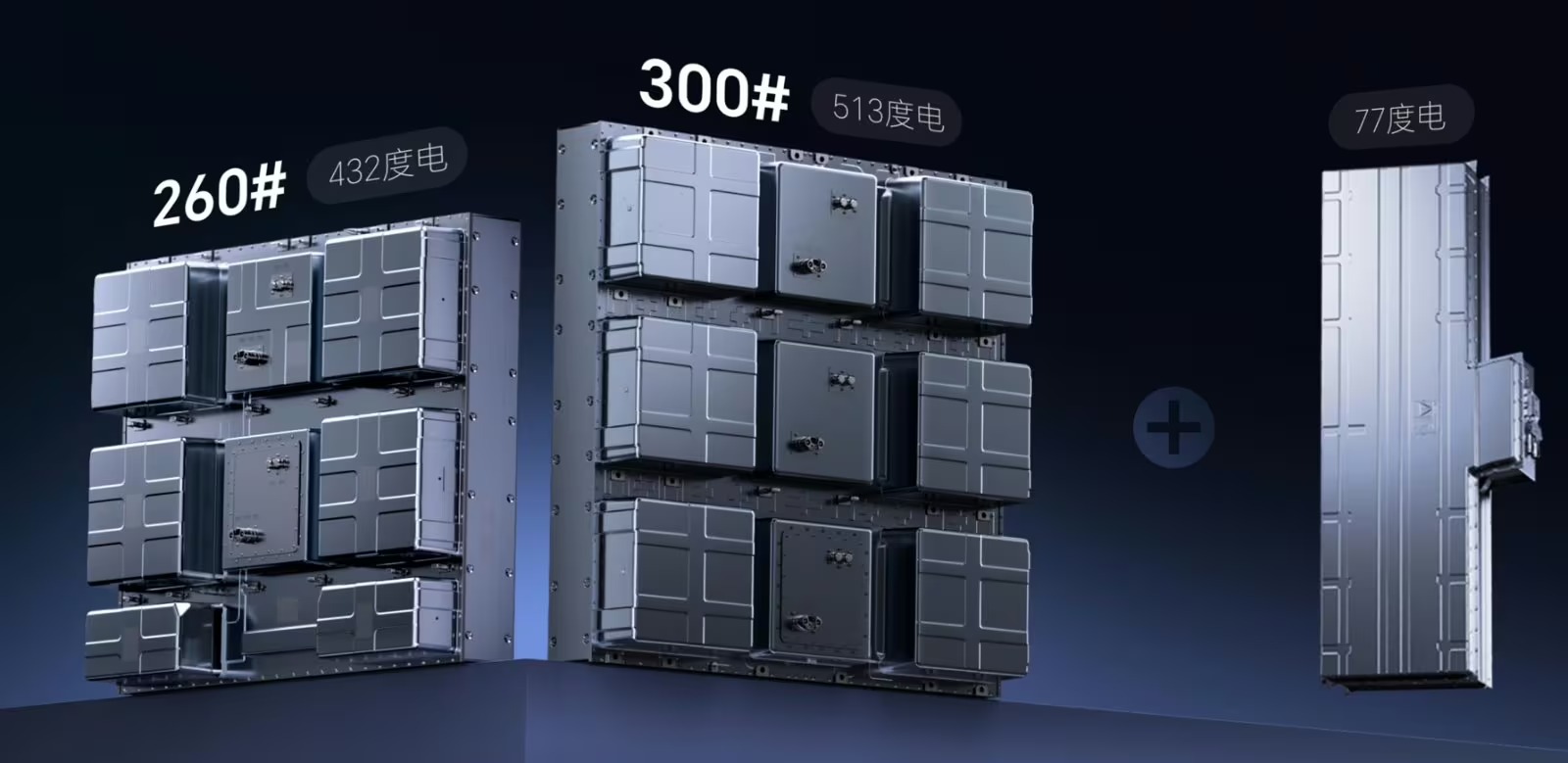
The new configuration uses two independent battery systems: a chassis-mounted main battery compatible with the Qiji swapping network and a 77 kWh auxiliary battery installed behind the cab. The range-extension battery supports 3C charging and provides backup power when required.
Dual-Battery Architecture Improves Energy Utilization
CATL said conventional battery-swapping trucks often return to swapping stations with around 30% charge remaining in their main batteries. Operators typically maintain this reserve to reduce the risk of running out of power before reaching a station, leaving some of their leased battery capacity unused.
The additional battery is designed to let trucks use more of the main battery’s capacity before swapping. CATL says the system can increase the main battery’s depth of discharge from approximately 70% to more than 95%, allowing vehicles to arrive at swapping stations with less than 5% charge remaining in the main battery.
According to the company, the system can switch power delivery to the range-extension battery within milliseconds, helping maintain uninterrupted power and providing redundancy under demanding operating conditions.
The architecture follows CATL’s “1+X” concept. The main battery remains standardized for compatibility across the Qiji network, while the auxiliary battery can be configured for specific requirements, including low-temperature operation, high energy density or high power output.
The two battery systems can also be upgraded independently. The range-extension battery remains with the vehicle, while operators can lease the main battery according to seasonal freight demand. CATL says this arrangement could help fleets reduce battery rental expenses during periods of lower utilization.
Qiji Adds Higher-Capacity Swappable Batteries
CATL also announced two new standardized Qiji swappable batteries: the 260# and 300#, with capacities of 432 kWh and 513 kWh, respectively. They join the existing 75# battery in the product lineup.
The company’s next-generation Qiji swapping station can replace a truck battery in five minutes, according to CATL. The design eliminates the need for an excavation pit, reducing construction costs by 10% and allowing a station to be deployed in as little as five days.
The shorter installation timeline and reduced construction requirements are intended to support faster expansion of the battery-swapping network.
Revised Billing Model Targets Lower Battery Costs
CATL has also changed the billing method for its battery-as-a-service (BaaS) offering. Customers will be charged based on net energy charged rather than the total energy discharged from the battery.
The company says this approach allows operators to retain the benefits of regenerative braking, which recovers energy during deceleration and returns it to the battery.
Under basic plans, CATL says the revised method can reduce battery rental costs per kilowatt-hour by up to 20%. The change is intended to improve the operating economics of battery-swapping electric trucks, particularly for commercial fleets with high energy consumption.
CATL Targets 2,000 Truck-Swapping Stations by 2027
CATL plans to have 900 heavy-duty truck battery-swapping stations operating by the end of 2026 and expand the network to 2,000 stations by 2027. Its longer-term ambition is to establish 10,000 stations across China with partners.
At the Beijing event, agreements covering 13,000 vehicles were signed. CATL also received orders for battery-swapping products from major logistics operators, including SF Holding and China Postal Express & Logistics.
The announcements come as electric and other new energy heavy-duty trucks gain market share in China. According to China Passenger Car Association analysis of compulsory traffic insurance data, new energy models accounted for 50% of heavy-duty truck sales in September, up from 29% a year earlier.
CATL’s latest products target several barriers to wider freight electrification, including battery utilization, charging downtime, infrastructure deployment and rental costs. Their commercial impact will depend on fleet adoption and the continued expansion of compatible swapping stations.