
BMW is reportedly preparing a major overhaul of its electric vehicle portfolio in China, with local production of several current battery-electric models expected to end as the company shifts its focus toward its next-generation Neue Klasse platform.
According to an insider report on Chinese social media platform Weibo, cited by CNEVPost, BMW plans to discontinue production of all electric models built on its CLAR (Cluster Architecture) platform at its joint venture BMW Brilliance Automotive (BBA) plant in Shenyang as early as July.
CLAR-based EV production reportedly ending
The reported production halt would affect three locally manufactured battery-electric models:
- BMW iX1 compact SUV
- China-exclusive BMW i3 electric sedan
- China-produced version of the BMW i5
All three vehicles are built on BMW’s CLAR platform, a flexible architecture designed to support internal combustion, plug-in hybrid and fully electric powertrains.
The China-market BMW i3, introduced in 2022, was developed specifically for local customers based on the conventional 3 Series sedan and is not related to BMW’s earlier global i3 hatchback.
Capacity to be redirected to Neue Klasse
According to the report, discontinuing the current CLAR-based EV lineup would free production capacity at the Shenyang facility for upcoming models based on BMW’s dedicated Neue Klasse electric vehicle architecture.
The move aligns with BMW’s broader strategy to accelerate its transition toward next-generation EVs and strengthen its position in the highly competitive Chinese market.
Shenyang plant undergoing upgrades
BMW recently confirmed that its Shenyang production base is being upgraded to support local manufacturing of Neue Klasse models.
During celebrations marking the production of the seven-millionth vehicle at the site, the company highlighted investments in manufacturing systems, digitalization and supply chain capabilities.
“Leveraging a higher level of flexible manufacturing, AI-powered quality management, and a highly connected digital production network, the Shenyang Production Base is laying a solid foundation for the local production of Neue Klasse models while further strengthening BMW’s overall competitiveness in electrification, digitalization, and sustainability,” the company said.
New China-focused Neue Klasse models
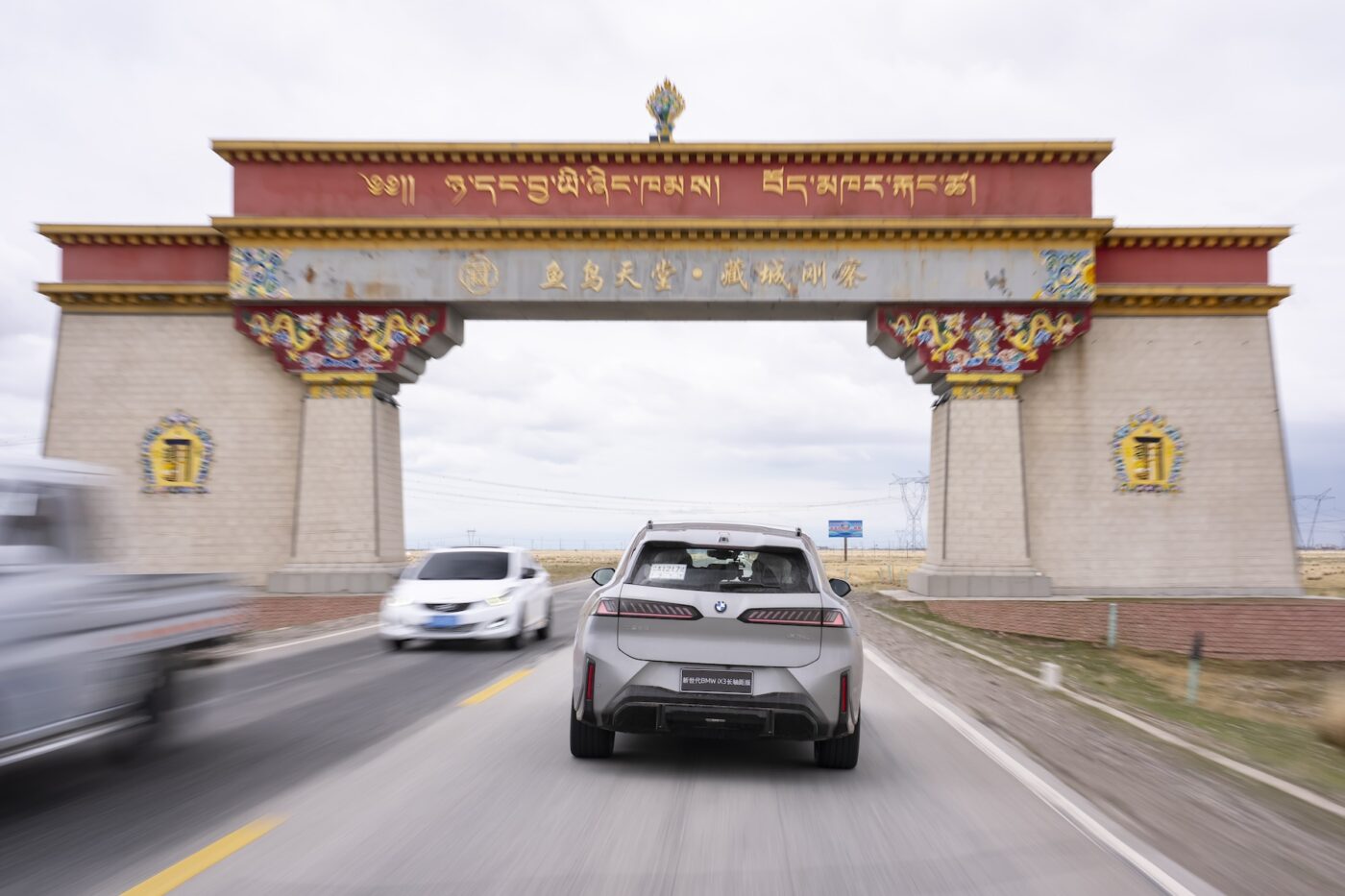
At Auto China in Beijing, BMW unveiled long-wheelbase versions of the BMW iX3 and BMW i3 based on the Neue Klasse platform.
The vehicles are among the first Neue Klasse models specifically developed for Chinese consumers and will be produced locally by BMW Brilliance Automotive in Shenyang.
BMW has also adapted several technologies for the Chinese market. While the company utilizes Amazon-based voice technologies in Europe and North America, the Chinese versions feature locally developed voice interaction systems created in partnership with domestic technology companies, including DeepSeek.
Growing pressure in China
The production transition comes at a challenging time for BMW in China.
Like many international automakers, the German premium manufacturer is facing intense competition from domestic electric vehicle brands and weaker-than-expected consumer demand.
BMW recently lowered its outlook for the Chinese market after sales failed to meet expectations.
While the company initially anticipated monthly sales of around 50,000 vehicles in China this year, it has since revised its projections downward.
Between January and May, BMW’s sales in China declined by 17.6% compared with the same period last year.
Neue Klasse central to BMW’s EV strategy
The Neue Klasse platform is expected to play a pivotal role in BMW’s future electric vehicle lineup.
Designed as a dedicated EV architecture, it promises significant improvements in efficiency, charging performance, digital capabilities and production flexibility compared with the multi-energy CLAR platform.
The transition in Shenyang signals BMW’s intention to accelerate adoption of the Neue Klasse in its most important EV market as competition in China’s rapidly evolving electric vehicle sector continues to intensify.
Source: CNEVPost