
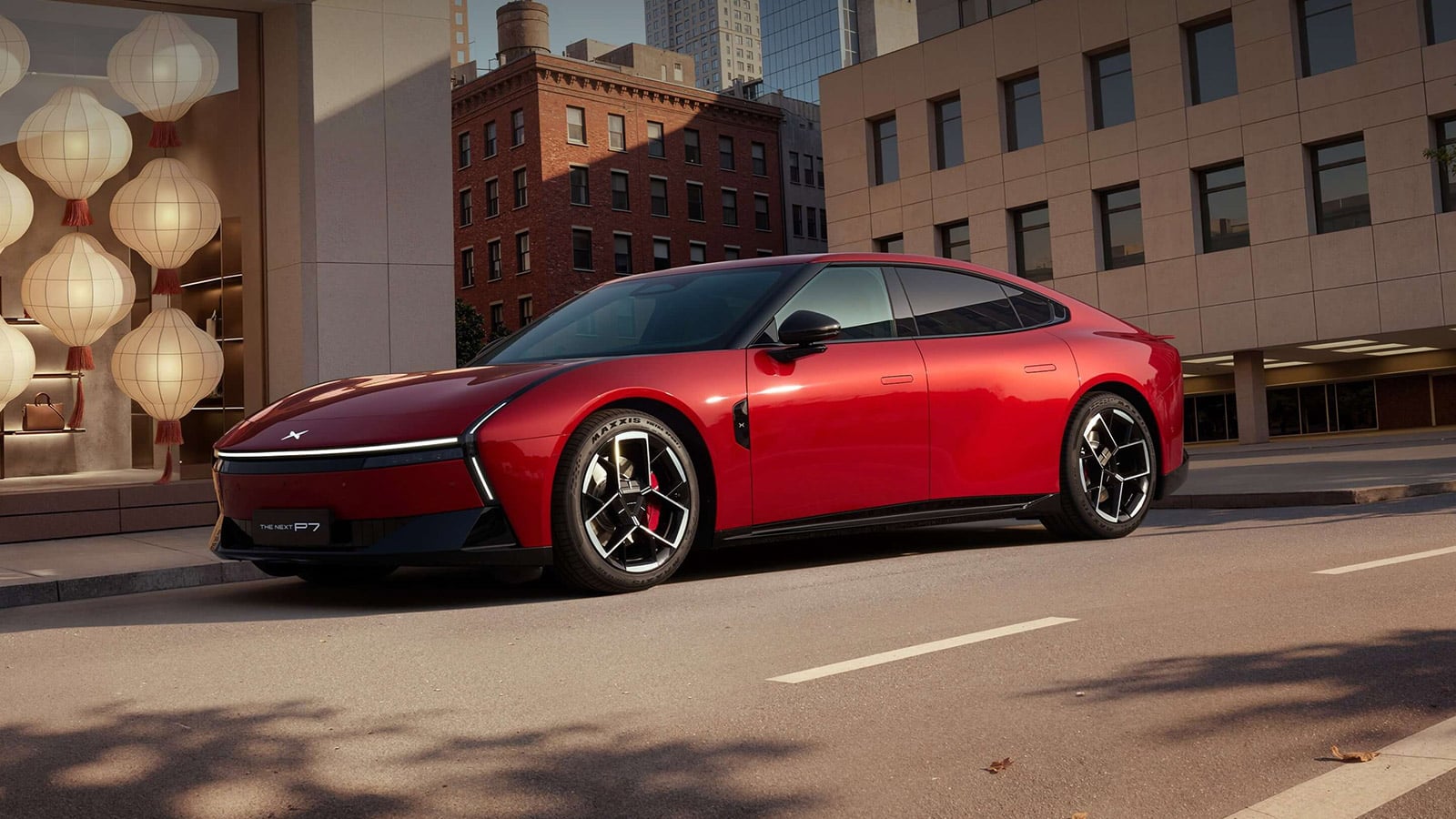
Xpeng has lowered the starting price of its new-generation P7 sedan and introduced a more flexible trim structure, as the Chinese electric vehicle maker seeks to revive demand.
The company launched three new P7 Max variants to replace the previous lower-priced Ultra versions, reducing the entry price by 16,000 yuan to 203,800 yuan ($29,650). The top-tier variant remains priced at 301,800 yuan.
Under the revised lineup, the new Max variants come equipped with a single in-house developed Turing AI smart driving chip as standard, compared with three chips previously included in the Ultra models.
Customers can now opt for upgrades, paying 12,000 yuan to access an Ultra SE version with two chips, or 20,000 yuan for the full Ultra configuration with three chips. The approach reflects Xpeng’s shift toward a tiered pricing model for advanced driver assistance features.
The adjustment comes as the company responds to weaker-than-expected demand for the new-generation P7, prompting a rethink of pricing and product positioning in China’s competitive EV market.
The strategy allows Xpeng to lower the base price while offering optional upgrades for higher levels of computing power and smart driving capability, aligning costs more closely with customer preferences.
In addition to the pricing and trim changes, Xpeng introduced three new exterior colours—red, black, and white—bringing the total number of available colour options to ten. The company said the expanded palette is aimed at attracting younger buyers seeking more personalised design choices.
The move highlights intensifying competition in China’s electric vehicle sector, where automakers are increasingly adopting flexible pricing and feature strategies to stimulate demand and differentiate their offerings.