
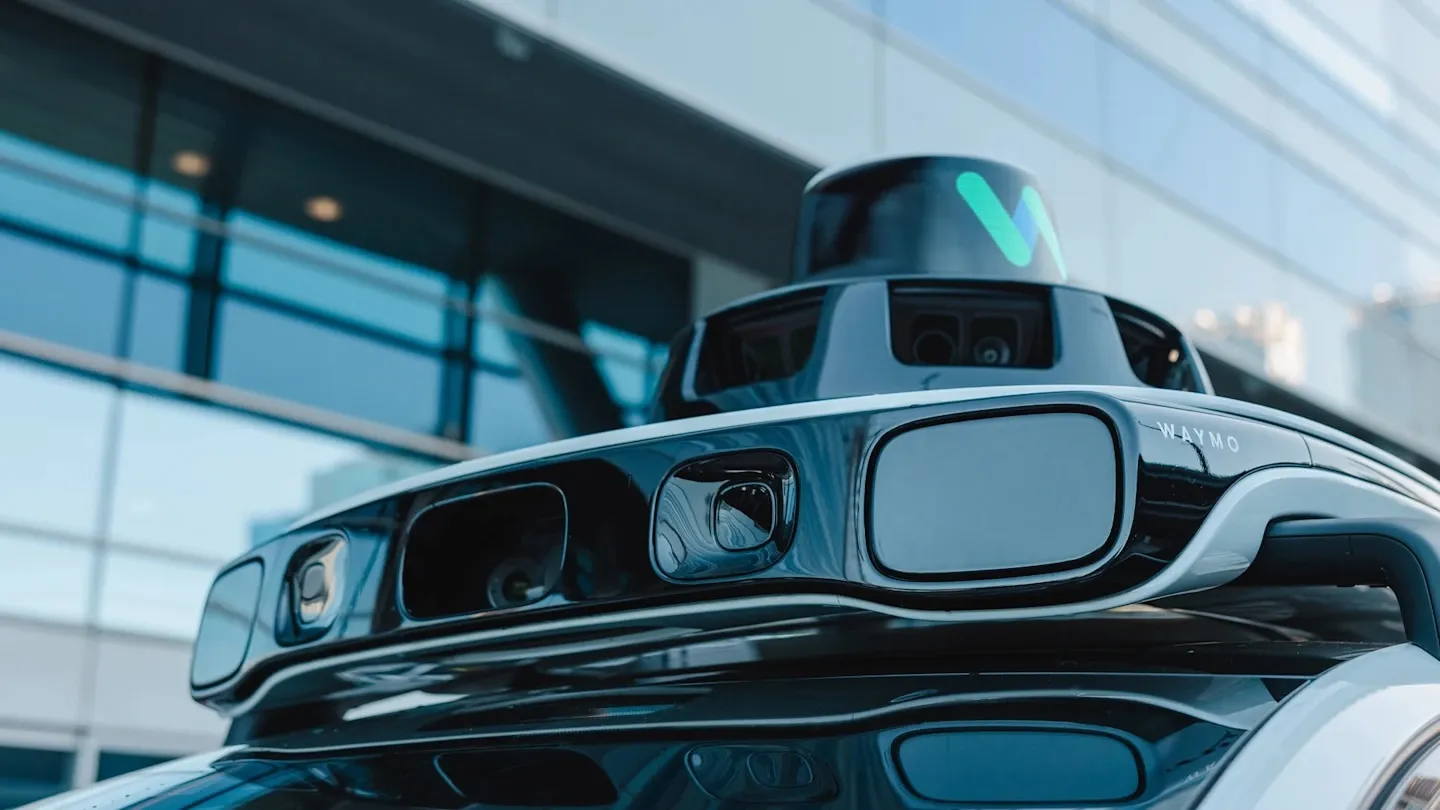
Waymo has started deploying the sixth generation of its autonomous driving system, marking a significant step in the Alphabet-owned company’s expansion of fully driverless ride-hailing services, while a separate report suggests Hyundai Motor may supply tens of thousands of electric vehicles for the fleet.
The company said the updated “Waymo Driver,” introduced in 2024, is designed to improve operational efficiency without compromising safety. In a statement, Waymo described the system as one that “serves as the primary engine for our next era of expansion, with a streamlined configuration that drives down costs while maintaining our uncompromising safety standards.” The platform was trained on roughly 200 million miles of driving data collected across 10 major cities, which the company views as a competitive advantage over rivals.
Waymo added that the new system can be integrated into multiple vehicle types and operate in a wider range of environments, including harsh winter conditions. Its upgraded sensor suite includes a next-generation 17-megapixel imaging system intended to capture highly detailed visual data while maintaining stability under automotive conditions. The company said this allows for fewer cameras overall, supported by built-in cleaning mechanisms to maintain performance in adverse weather.
Additional sensing technologies include lidar units that create a three-dimensional model of the vehicle’s surroundings at both short and long distances, providing redundancy for camera data. The platform also incorporates an audio detection system known as External Audio Receivers (EAR), designed to identify sounds such as approaching emergency vehicles or train crossings.
Separately, Chinese automotive publication Gasgoo reported that Hyundai Motor is considering supplying up to 50,000 Ioniq 5 electric vehicles configured for autonomous operation by 2028, citing people familiar with the matter. At an estimated price of about $50,000 per vehicle, the deal could be worth approximately $2.5 billion, according to the report. Neither company has confirmed the scale of any potential agreement.
Hyundai previously announced it had “entered into a multi-year partnership with Waymo in the US to integrate the Georgia-built Ioniq 5 into Waymo’s autonomous driving fleet,” following the opening of its U.S. manufacturing facility last year. Analysts say a large supply contract could provide both revenue support for the automaker and a validation opportunity for its electric vehicle technology.
Waymo’s rollout comes as the company continues to attract substantial investment and expand its robotaxi operations despite ongoing scrutiny of autonomous vehicle safety. The firm recently secured a major funding round and has reported steady growth in deployments, even as isolated incidents involving its vehicles draw regulatory attention. Competitors are also advancing their own systems, though some remain reliant on human oversight.