
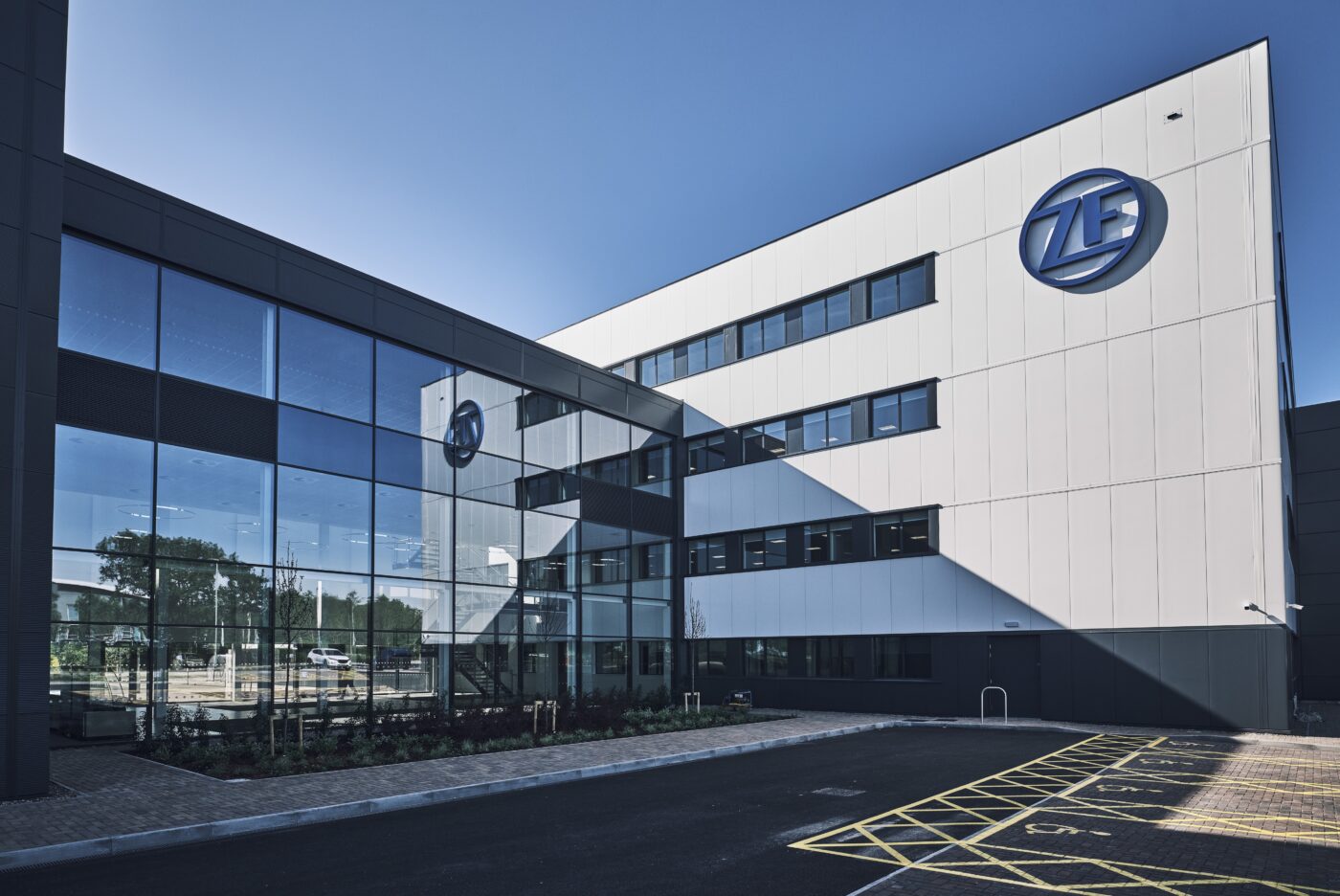
Germany’s ZF Group has agreed to transfer its driver assistance systems (ADAS) business to Harman International, as part of a broader strategic realignment aimed at sharpening its focus on core automotive technologies.
ZF said it had agreed an enterprise value of €1.5 billion for the sale of its ADAS division, which includes compute solutions, smart cameras, radar technology and driver assistance software. The transaction, which remains subject to regulatory approvals, is expected to close in the second half of 2026. Around 3,750 employees are set to move from ZF to Harman upon completion. ZF did not disclose details on how the purchase will be financed.
The divested unit will be fully integrated into Harman, a U.S.-based specialist in vehicle interior electronics. ZF said electronics related to chassis systems and passive safety will remain within the group, while driver assistance and autonomous driving activities for commercial vehicles will continue to be developed in-house.
“With the acquisition of ZF’s ADAS business by Harman, we have reached an important milestone in the strategic realignment of the ZF Group,” said Mathias Miedreich, chief executive of ZF Group. “In Harman, we have found the ideal partner to fully develop the growth and innovation potential of our driver assistance business for passenger cars and also to open up the best possible prospects for our employees,” he said, adding that the sale would help reduce ZF’s financial liabilities and allow the group to focus on chassis, powertrain, commercial vehicles and industrial applications.
Harman said the acquisition would strengthen its position with automakers by combining safety-related technologies with its existing portfolio in vehicle interiors and connected systems. “Our acquisition of ZF’s ADAS business is a strategic step forward for HARMAN to deliver on its promise to enable a more connected future of smarter and safer vehicles,” said Christian Sobottka, chief executive and president of Harman’s automotive division.
The deal comes as ZF restructures parts of its business amid pressure on margins and demand, particularly in electrified powertrains. Earlier this year, the group agreed with employee representatives on significant job cuts in its Electrified Powertrain Technologies division, although a full sale of that unit had been ruled out at the time.