
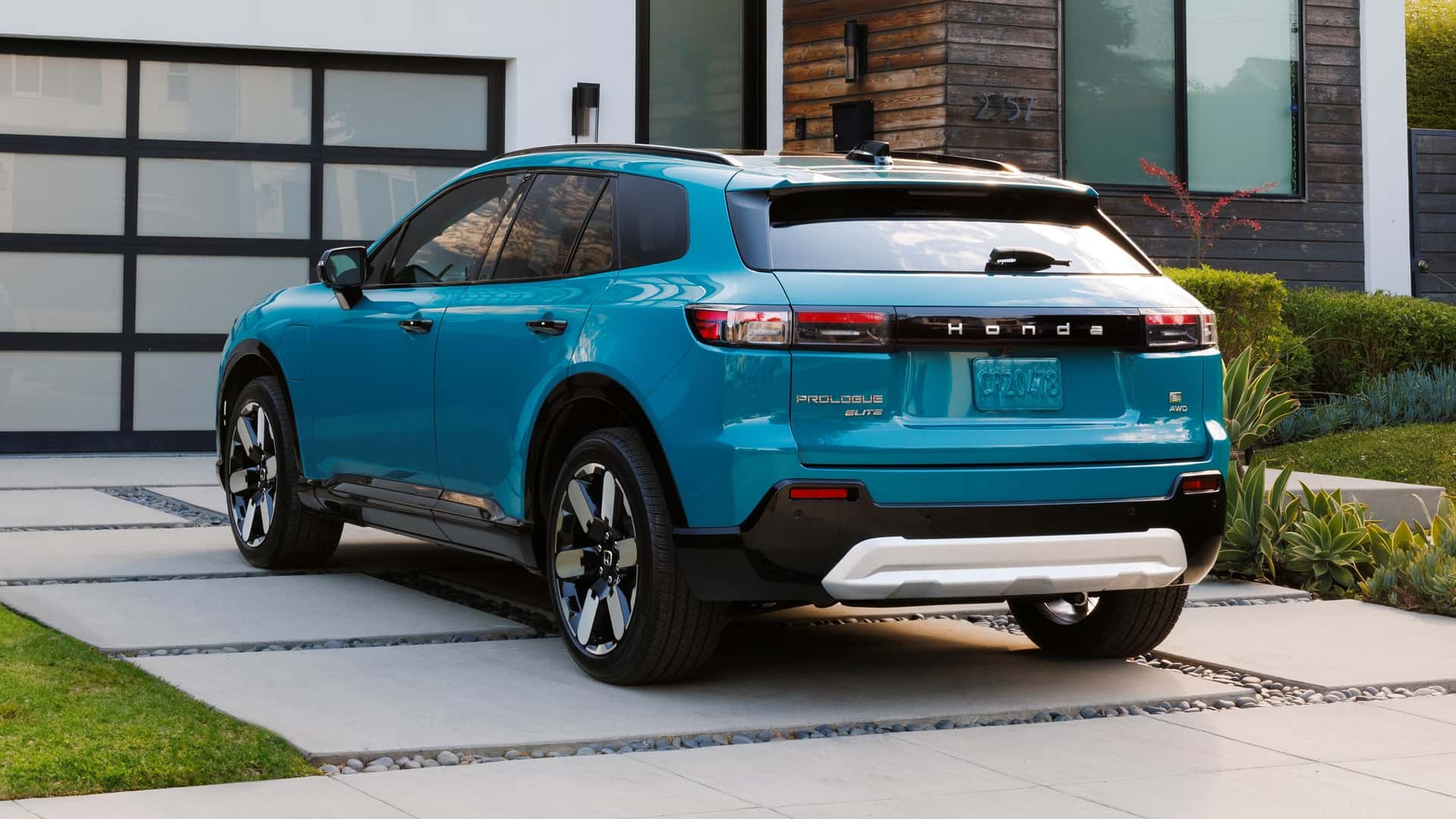
U.S. sales of Honda Motor’s first mass-market electric SUV, the Prologue, fell sharply in November after the expiration of the federal electric vehicle tax credit, highlighting how dependent demand for some EV models remains on government incentives.
Honda said deliveries of the Prologue dropped 86.2% year-on-year in November to 903 units, down from about 6,800 a year earlier. The decline followed the removal of the $7,500 federal EV tax credit earlier this autumn, which had previously supported the vehicle’s competitive positioning in the U.S. market.
See also: Honda Cuts Annual Profit Forecast by 21% Amid One-Time EV Costs, Weak Asia Sales, and Chip Shortage
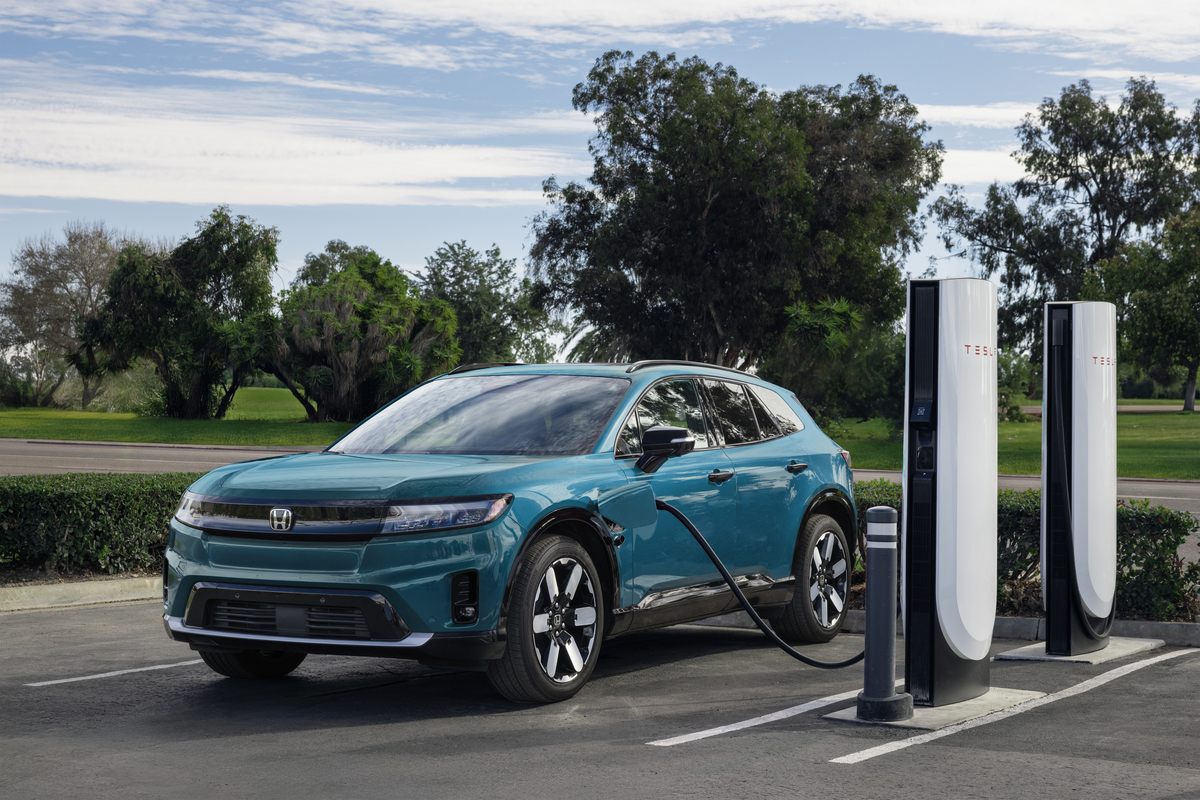
The Prologue, which had ranked as the second best-selling electric SUV in the United States behind Tesla’s Model Y late last year, now carries sticker prices ranging from about $47,400 to $58,355. With the loss of the tax incentive, the effective transaction price for most buyers has risen sharply, reducing affordability at a time when competition in the EV SUV segment is intensifying.
Despite the sales slump, the Prologue retains competitive technical specifications, including a driving range of up to 308 miles (496 km). However, the higher effective purchase price has weighed on consumer demand, particularly as several rival automakers have increased discounting and promotional offers.
See also: Honda Unveils Next-Generation Hybrid and EV Platforms Ahead of Late-2020s Launch
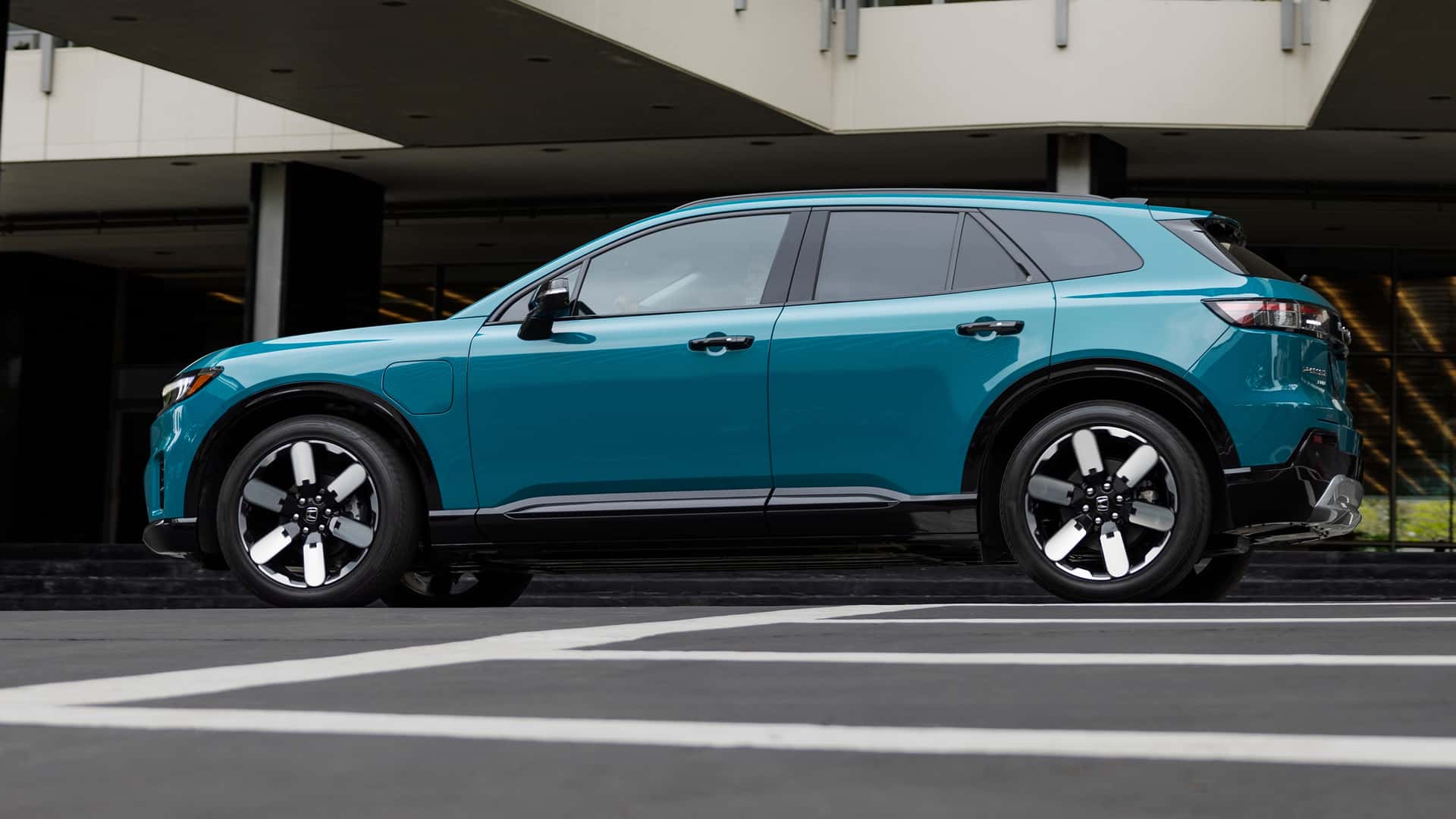
The weakness in Prologue sales came amid a broader slowdown for Honda in the U.S. market. The automaker reported total November sales of 91,582 vehicles, down 16.8% from the same month a year earlier. Core models including the Accord, Civic, CR-V, HR-V and Pilot all posted double-digit declines.
Only the Passport SUV recorded growth, with November sales rising about 50% to 4,363 units. However, that increase was not enough to offset declines across Honda’s broader lineup or the sharp reversal in its electric vehicle sales.