
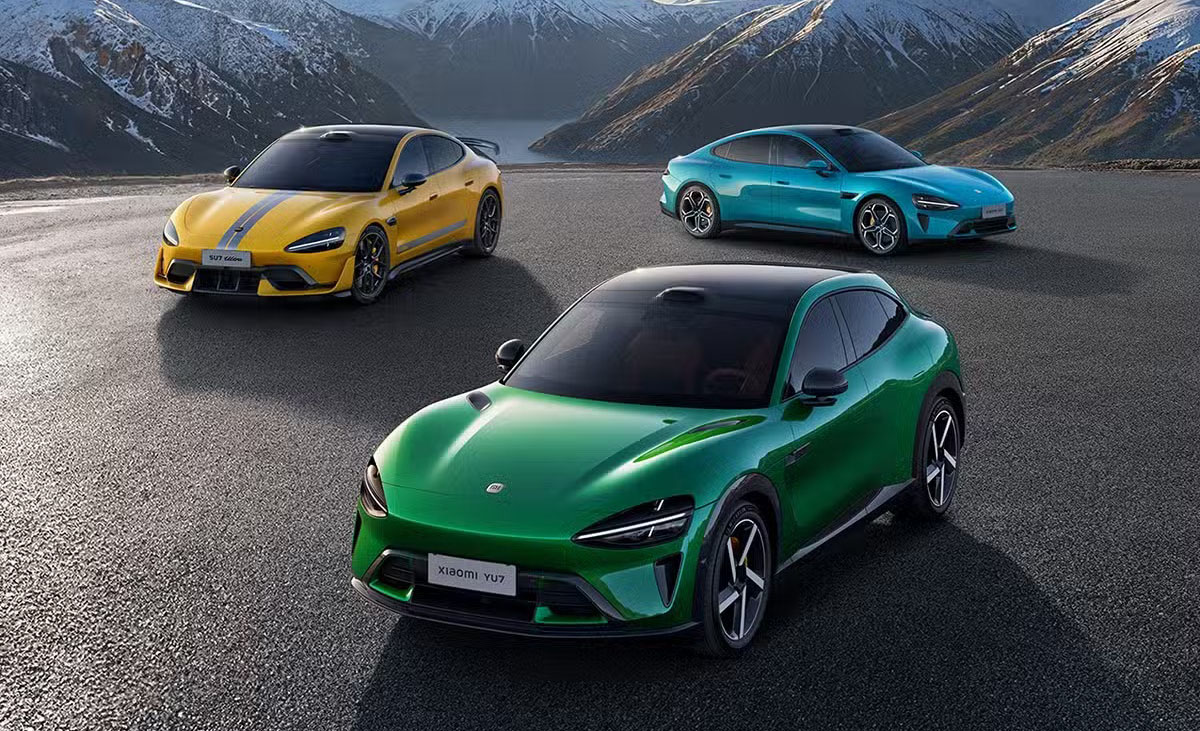
Xiaomi’s electric vehicle unit said on Monday it has surpassed 500,000 cumulative deliveries, reaching its revised 2025 sales target about one month ahead of schedule as strong monthly volumes continue in China’s highly competitive EV market.
Since deliveries began on April 3, 2024, Xiaomi EV has now handed over more than half a million vehicles to customers, the company said in a statement posted on Weibo. November deliveries again exceeded 40,000 units, allowing it to pass the upgraded full-year target of 350,000 vehicles that had originally been set at 300,000.
See also: Chinese Court Orders Xiaomi-Linked Firms to Double-Refund EV Deposit
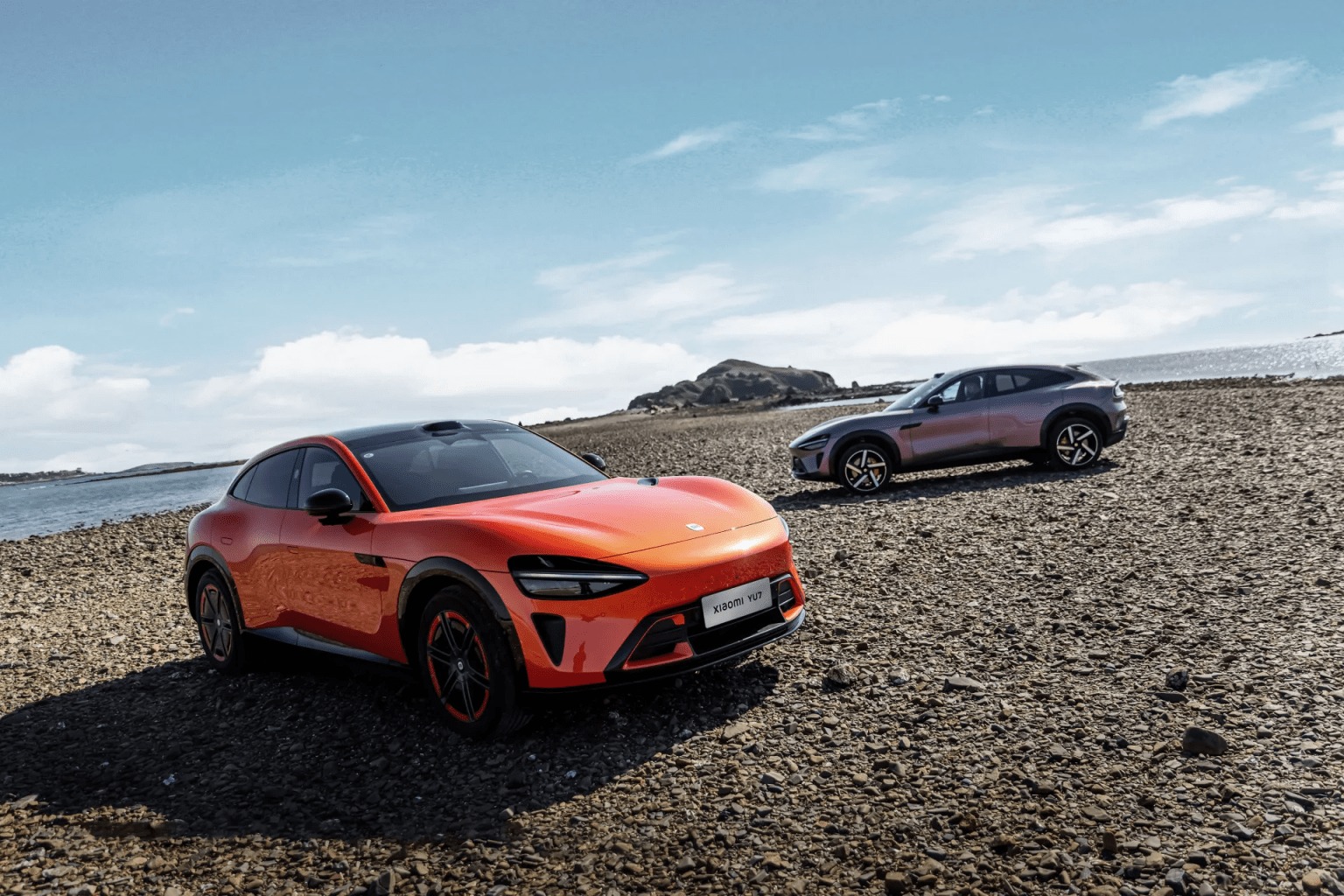
On Nov. 20, Xiaomi marked production of its 500,000th vehicle and said full-year deliveries were expected to exceed 400,000 units.
Xiaomi formally entered the electric vehicle market in 2024 with the launch of the SU7 electric sedan, positioned directly against Tesla’s Model 3. It later introduced the high-performance SU7 Ultra in February and followed with its first electric sport utility vehicle, the YU7, in June to compete with Tesla’s Model Y.
Strong delivery growth has also supported improving financial performance. Xiaomi said its “innovative businesses,” which include electric vehicles and artificial intelligence, posted their first quarterly profit in the third quarter.
See also: Xiaomi’s EV and AI Businesses Turn Profitable for First Time as Quarterly Deliveries Hit Record
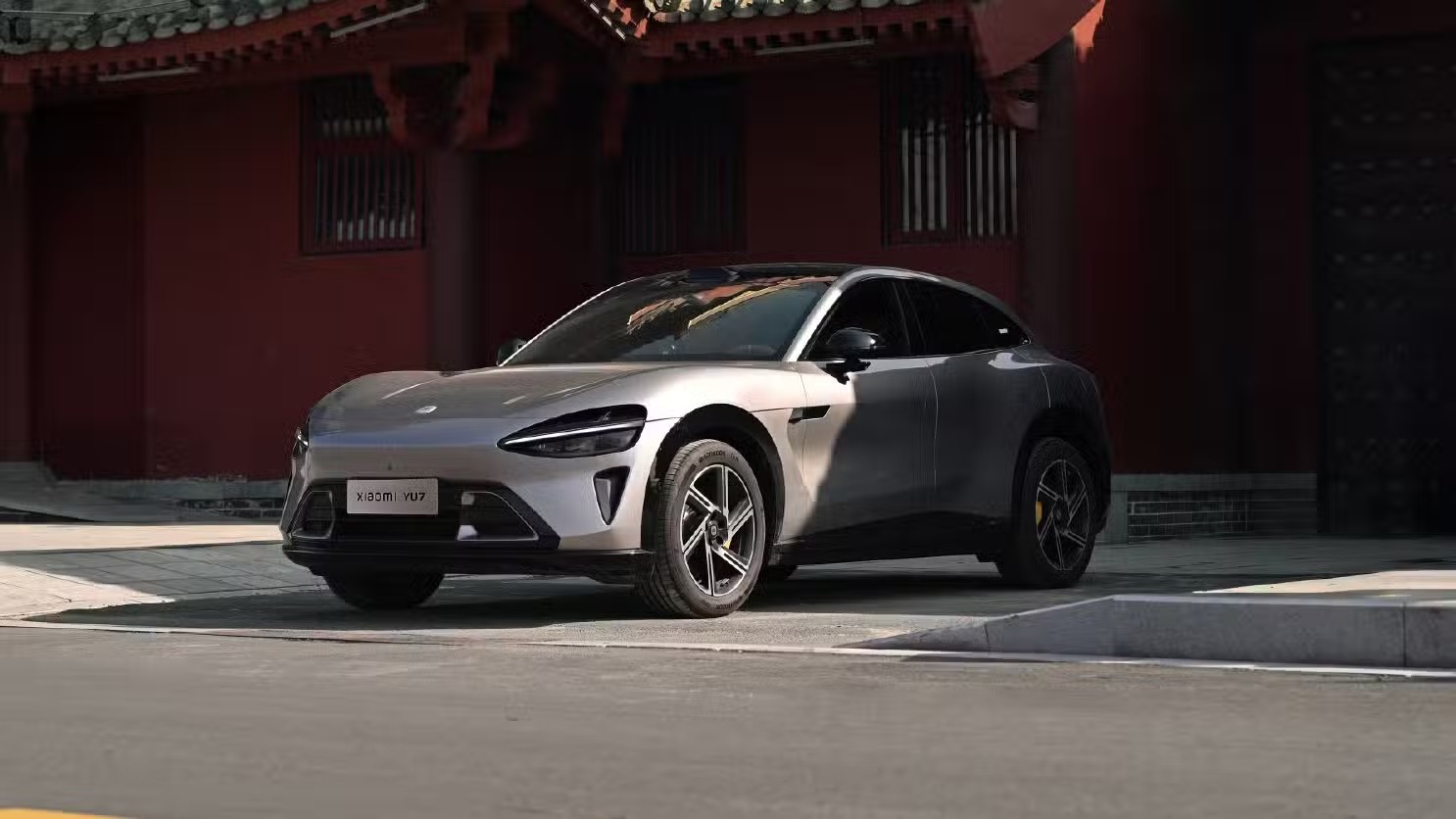
Alongside rising sales, Xiaomi EV is accelerating the rollout of its sales and service network. The company added 17 new retail stores in November, bringing its total to 441 outlets across 131 Chinese cities. It plans to open another 36 stores in December in seven additional cities. As of the end of November, Xiaomi EV operated 249 service centers in 144 cities nationwide.
Software development is another key focus as the company scales up. Last month, Xiaomi EV began rolling out an upgraded version of its Hyper Autonomous Driving (HAD) driver-assistance system to eligible vehicles. The system uses reinforcement learning and a world-model framework to improve driving behaviour through large-scale simulation and data training across complex traffic scenarios.
See also: Xiaomi’s SU7 Wait Times Drop Sharply as Production Ramps Up, Goldman Sachs Says
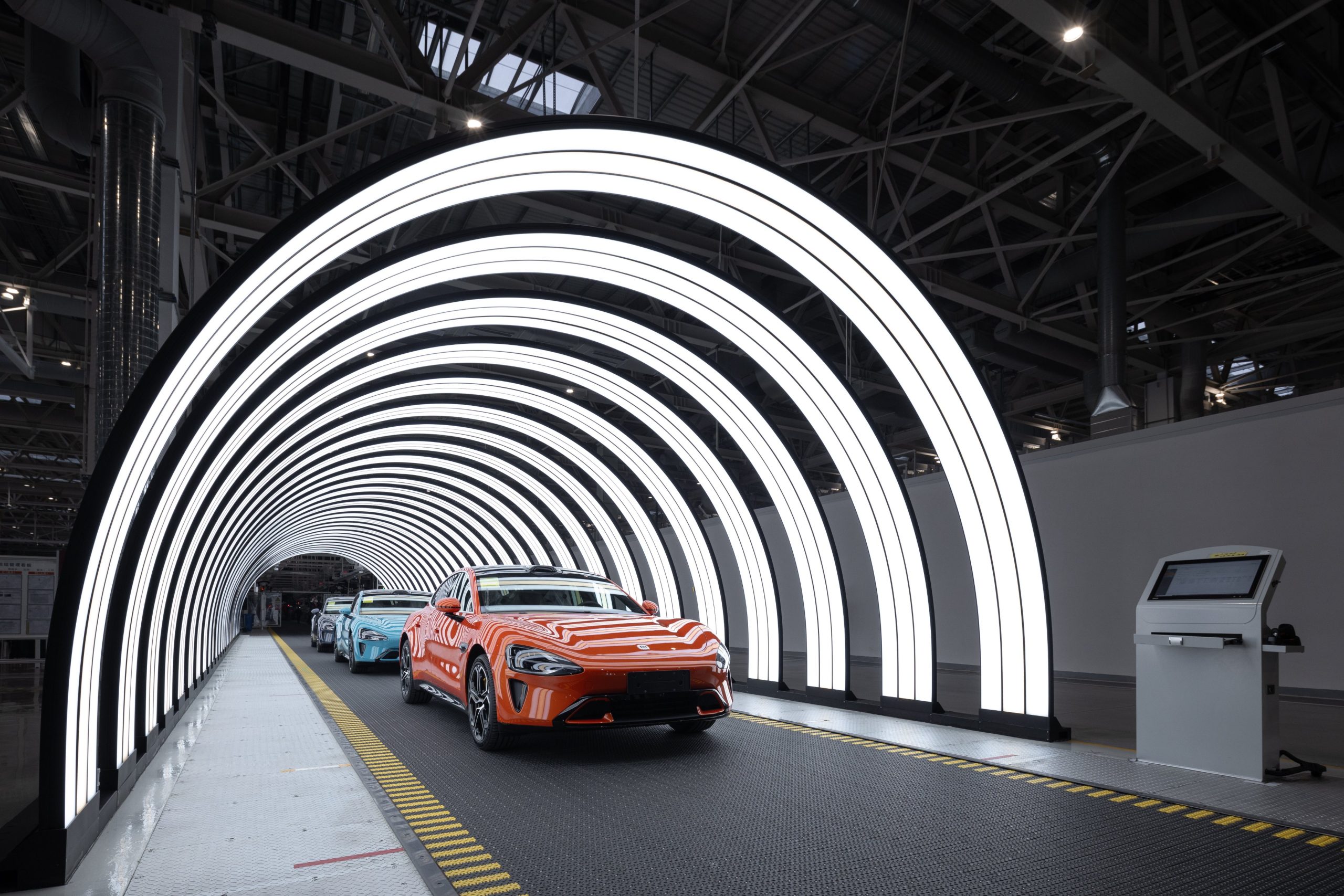
Xiaomi also said it has accelerated year-end deliveries as China prepares to scale back new energy vehicle purchase tax incentives next year. The company confirmed that a batch of newly produced vehicles has been made available for expedited delivery, allowing customers with confirmed orders to select from in-stock and near-new vehicles.