
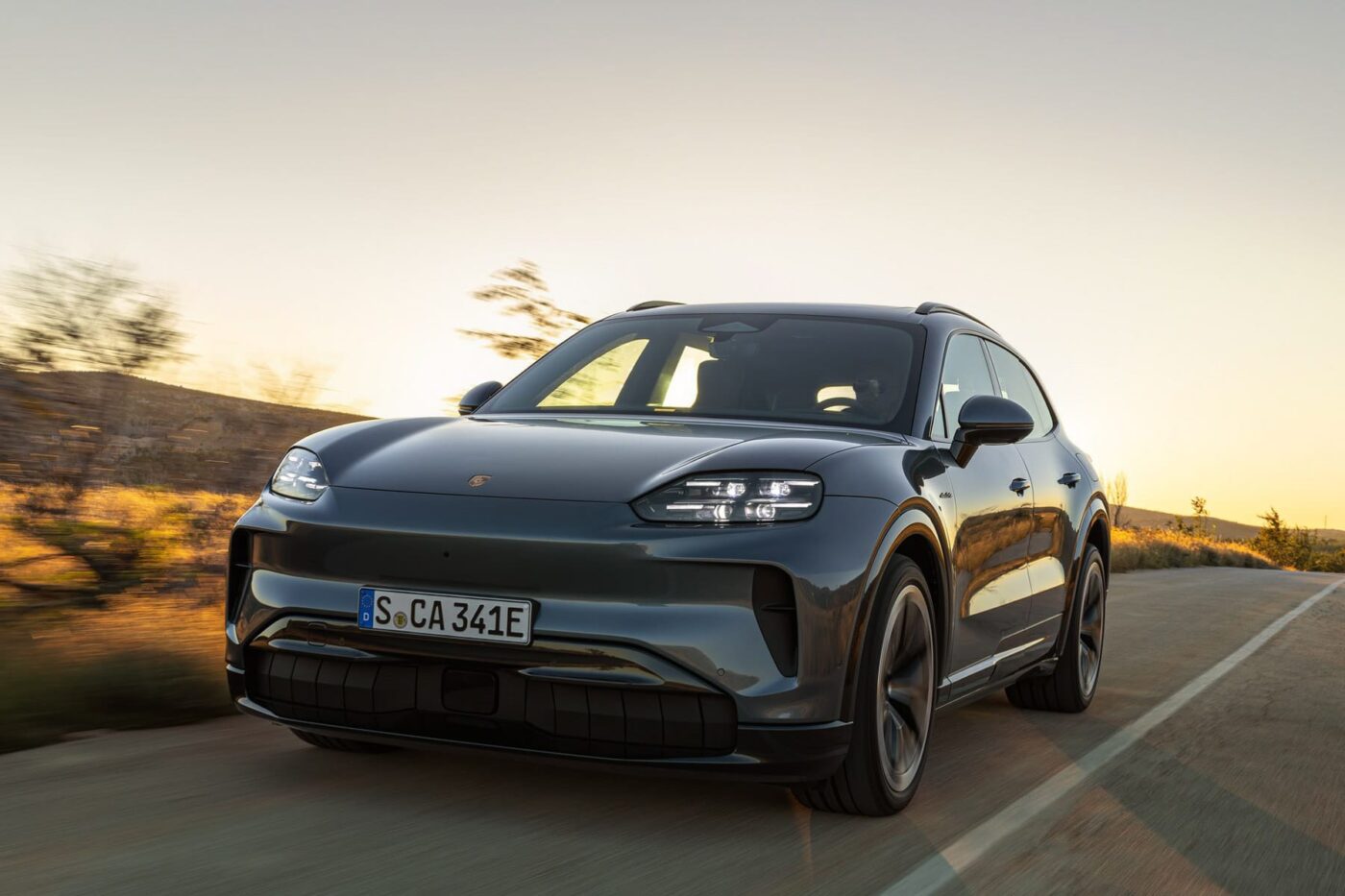
Porsche has presented its second all-electric SUV with the debut of the Cayenne Electric, marking a shift in the company’s long-term product strategy. Instead of positioning the electric version as the sole future of the model line, the Stuttgart-based manufacturer now describes the SUV as part of a “three-pronged drive strategy” that includes combustion engines, plug-in hybrids and fully electric models.
Still, the company emphasised that the most powerful Cayenne in the range will be electric. “Inspiring customers is our top priority at Porsche,” said Matthias Becker, Member of the Executive Board for Sales and Marketing. “With the electrification of the Cayenne, we are achieving a new level of performance that sets standards for the future.”
See also: Porsche Opens First Major R&D Centre Outside Europe in Shanghai
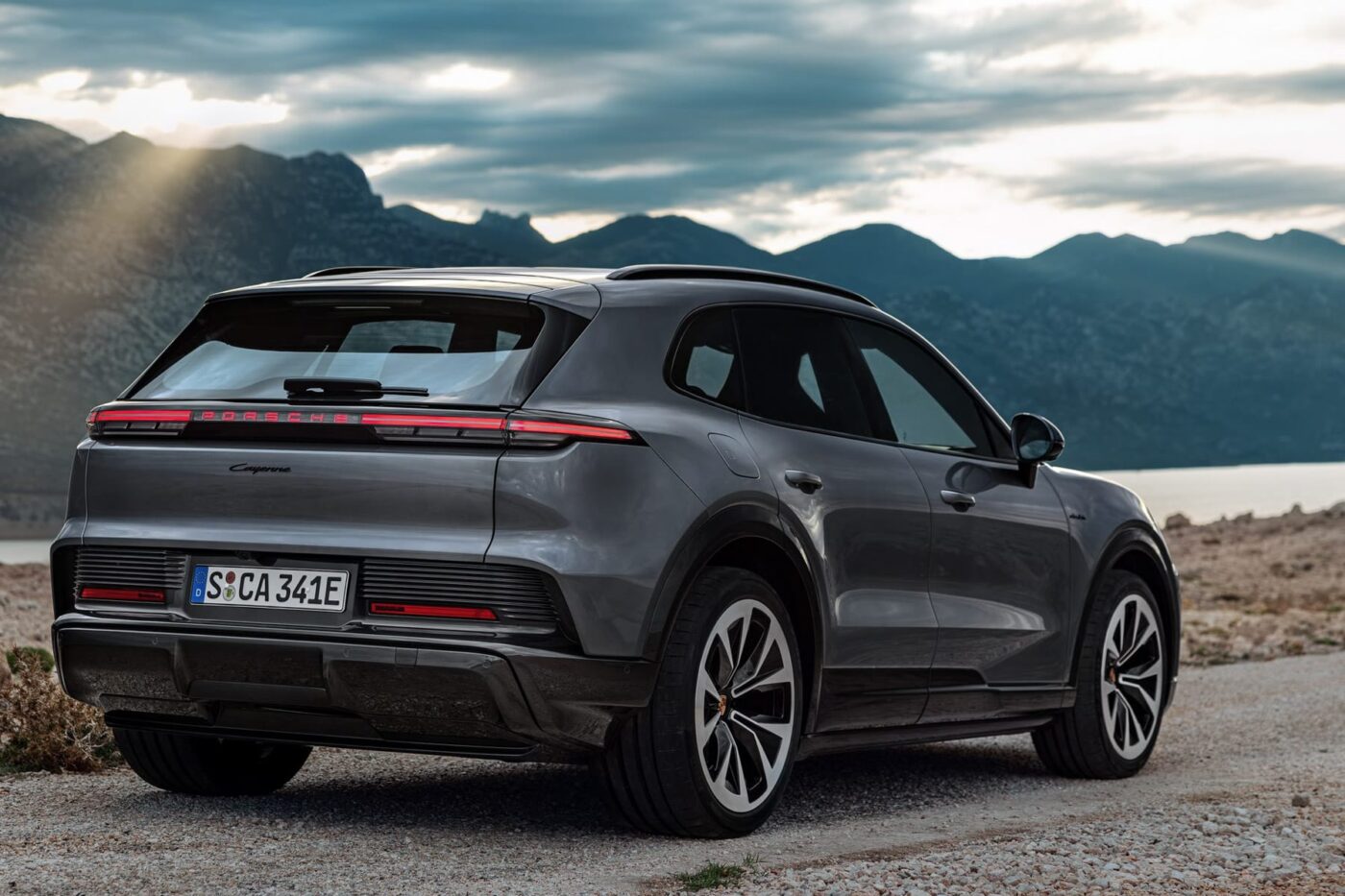
The electric SUV lineup will launch with two models: the Cayenne Electric and the higher-performance Cayenne Turbo Electric. The Turbo variant delivers up to 850 kW and 1,500 Nm of torque in launch control mode, enabling acceleration from 0-100 kph in 2.5 seconds and a top speed of 260 kph. In standard driving, output stands at 630 kW.
The base Cayenne Electric produces 300 kW in normal operation or 325 kW with launch control, reaching 100 kph in 4.8 seconds. Both versions are equipped with a 113-kWh battery (108 kWh usable) and feature a redesigned battery module layout that differs from the Porsche Macan Electric.
See also: Porsche Faces Deep Profit Slump in 2025 Amid EV Slowdown and Market Headwinds
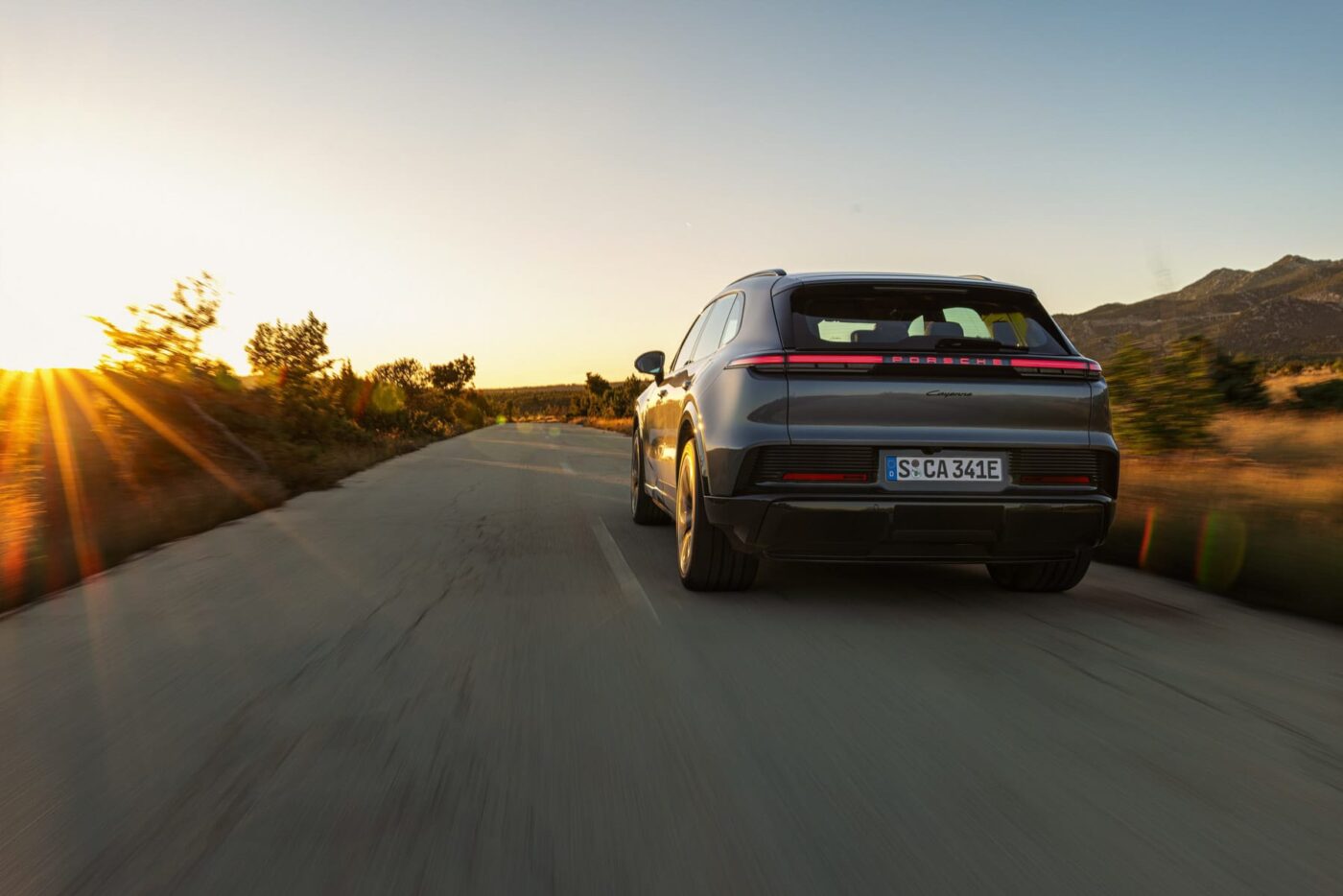
Official WLTP range figures place the Cayenne Electric at up to 642 km and the Turbo version at 623 km. Fast-charging capability peaks at 390 kW in typical 10-80 per cent charging sessions, though Porsche says 400 kW is technically possible under narrow conditions related to battery temperature and state of charge.
The company highlighted that charging behaviour focuses on consistency rather than headline peak numbers. An optional 11-kW wireless home charging system, called Porsche Wireless Charging, marks another debut for the model.
See also: Porsche Unveils All-Electric Macan GTS with Performance and Range Enhancements
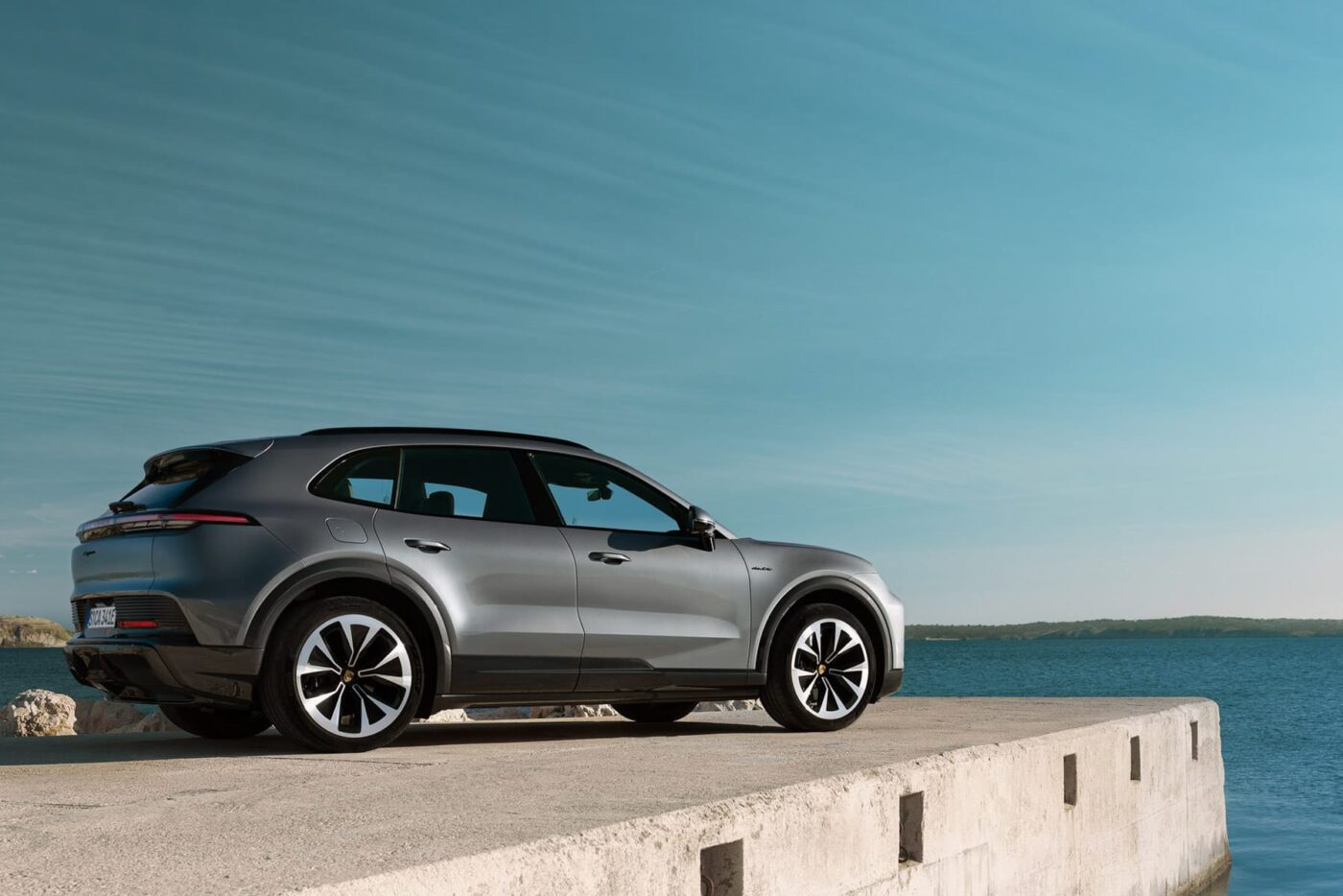
The Cayenne Electric also benefits from increased practicality. Cargo volume reaches 781 litres behind the rear seats, rising to 1,588 litres with the seats folded, plus 90 litres in the front compartment. The SUV offers a towing capacity of up to 3.5 tonnes depending on configuration.
The new electric model is 5.5 cm longer than its combustion counterpart, with a 13-cm wheelbase extension to improve rear-seat space. Adjustable aerodynamics, including active cooling flaps and a deployable rear roof spoiler, are standard; the Turbo model introduces active “aeroblades” at the rear to improve airflow at higher speeds.
See also: Porsche Confirms Michael Leiters as CEO, Oliver Blume to Focus on Volkswagen
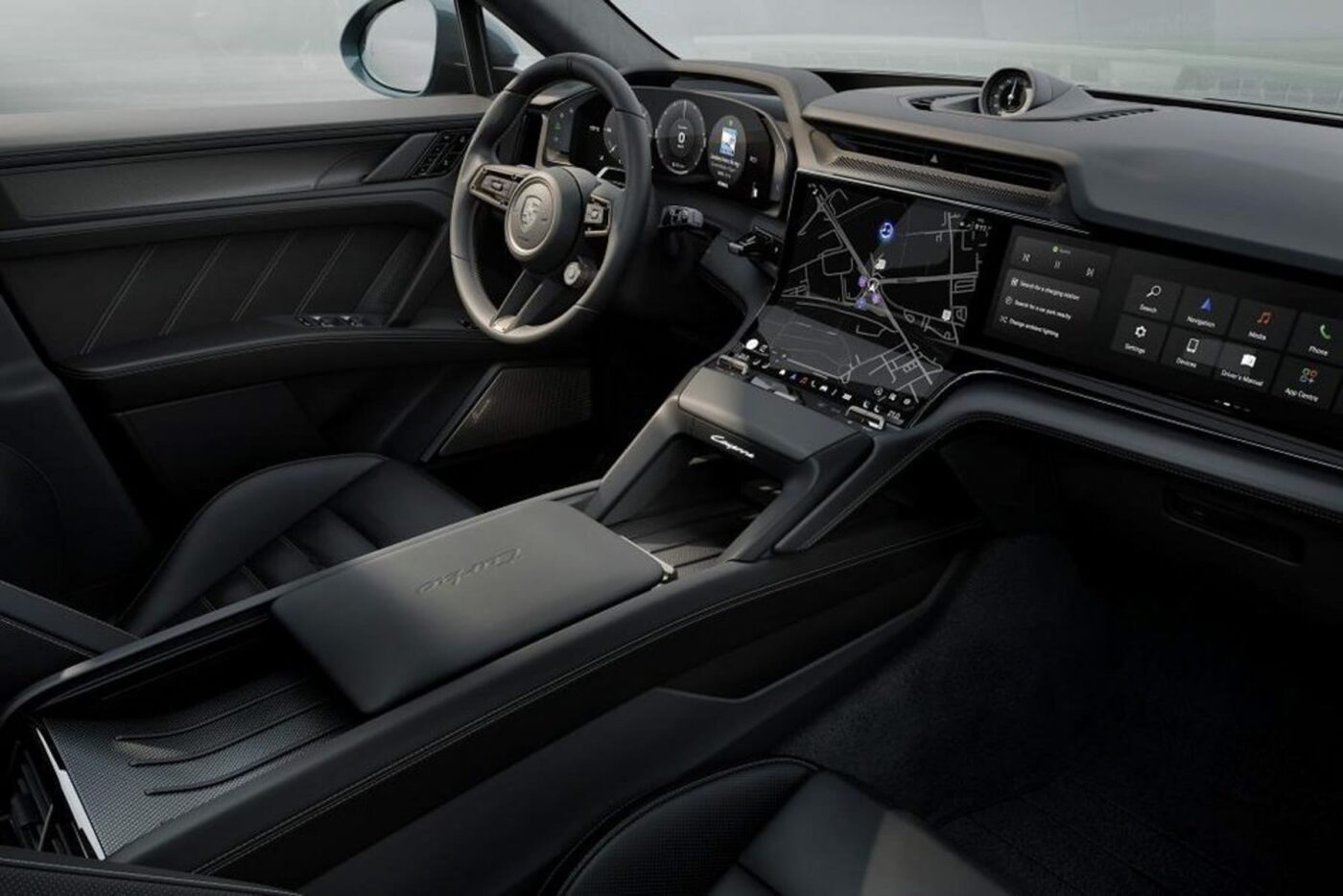
Prices in Europe start at €105,200 for the Cayenne Electric and €165,500 for the Cayenne Turbo Electric. Porsche confirmed that combustion and hybrid variants will continue to be developed in parallel with electric options.
“This strategy also applies to Porsche’s entire model portfolio,” Becker added. “In every segment in which we are represented, customers will in future have the choice between fully electric and combustion engine drives.”