
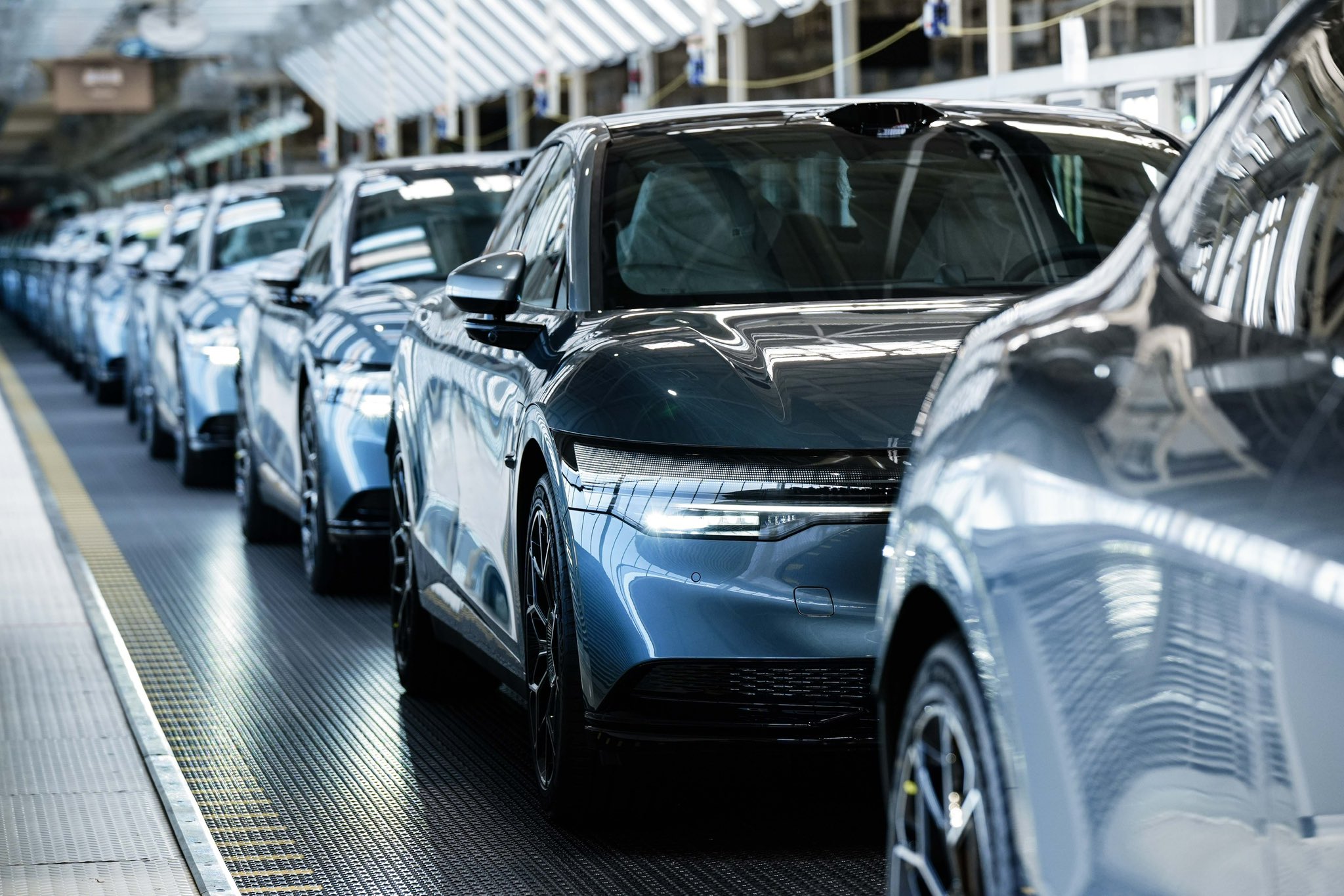
China has unveiled the latest “Energy-Saving and New Energy Vehicle Technology Roadmap 3.0,” outlining an ambitious blueprint for the nation’s automotive industry through 2040.
Released by the China Society of Automotive Engineers (CSAE) on October 22, the plan builds on earlier versions from 2016 and 2020, with a sharper focus on global competitiveness, intelligent manufacturing, and carbon reduction.
See also: China Auto Industry Official Urges Slower Phase-Out of NEV Purchase Tax Incentives
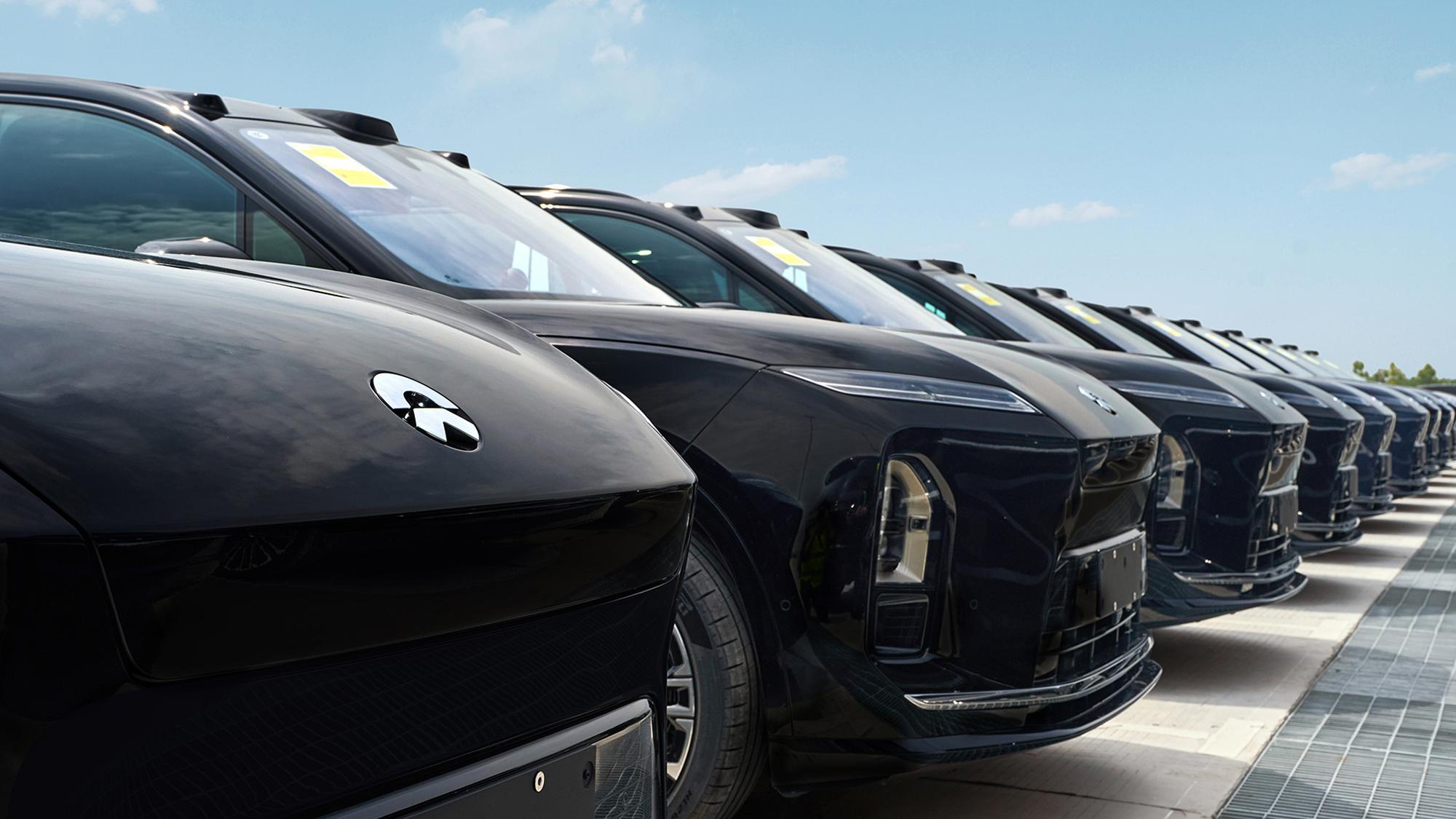
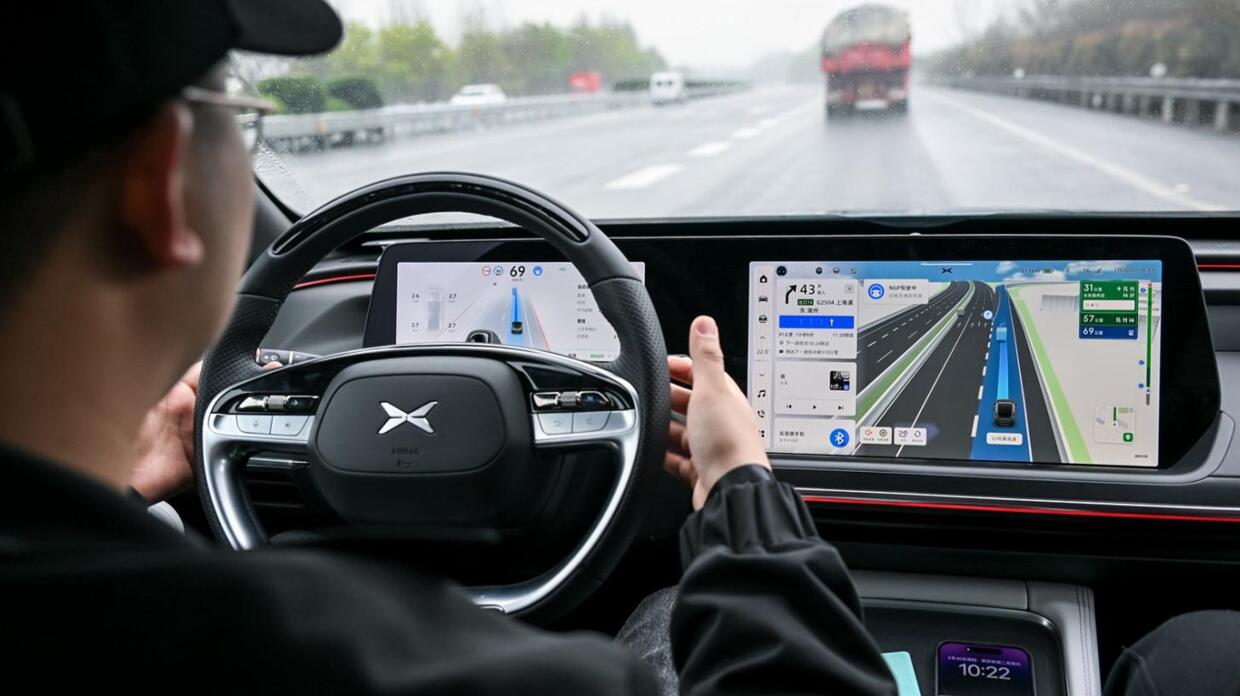
The roadmap targets an early carbon emission peak by 2028, more than a decade before China’s national target, and aims for a 60% reduction by 2040. It envisions an automotive ecosystem dominated by intelligent, connected new energy vehicles, with electrification rates surpassing 80% and the expansion of autonomous driving technologies.
China Tightens Export Controls on Rare Earths Used in Electric Vehicles
By 2040, solid-state batteries are expected to reach large-scale commercial use, and Level 4 autonomous driving systems are projected to be widespread, with Level 5 entering initial stages.
See also: China Expands National Standards for Electric Vehicle Battery Recycling
Internal combustion engines will remain relevant through hybrid configurations, with hybrids, plug-in hybrids, and range-extended electric vehicles expected to comprise about one-third of passenger vehicle sales.
“Earlier versions focused more on product technology; this year, product technology and manufacturing technology are driving forces,” said Zhang Jinhua, Chairman of the CSAE. The roadmap also stresses the integration of intelligent manufacturing, low-carbon development, and digital transformation to create a resilient, innovation-led industrial cluster.
Source: Car News China
Gotion High-Tech Begins Pilot Production of Solid-State “Jinshi Battery”