
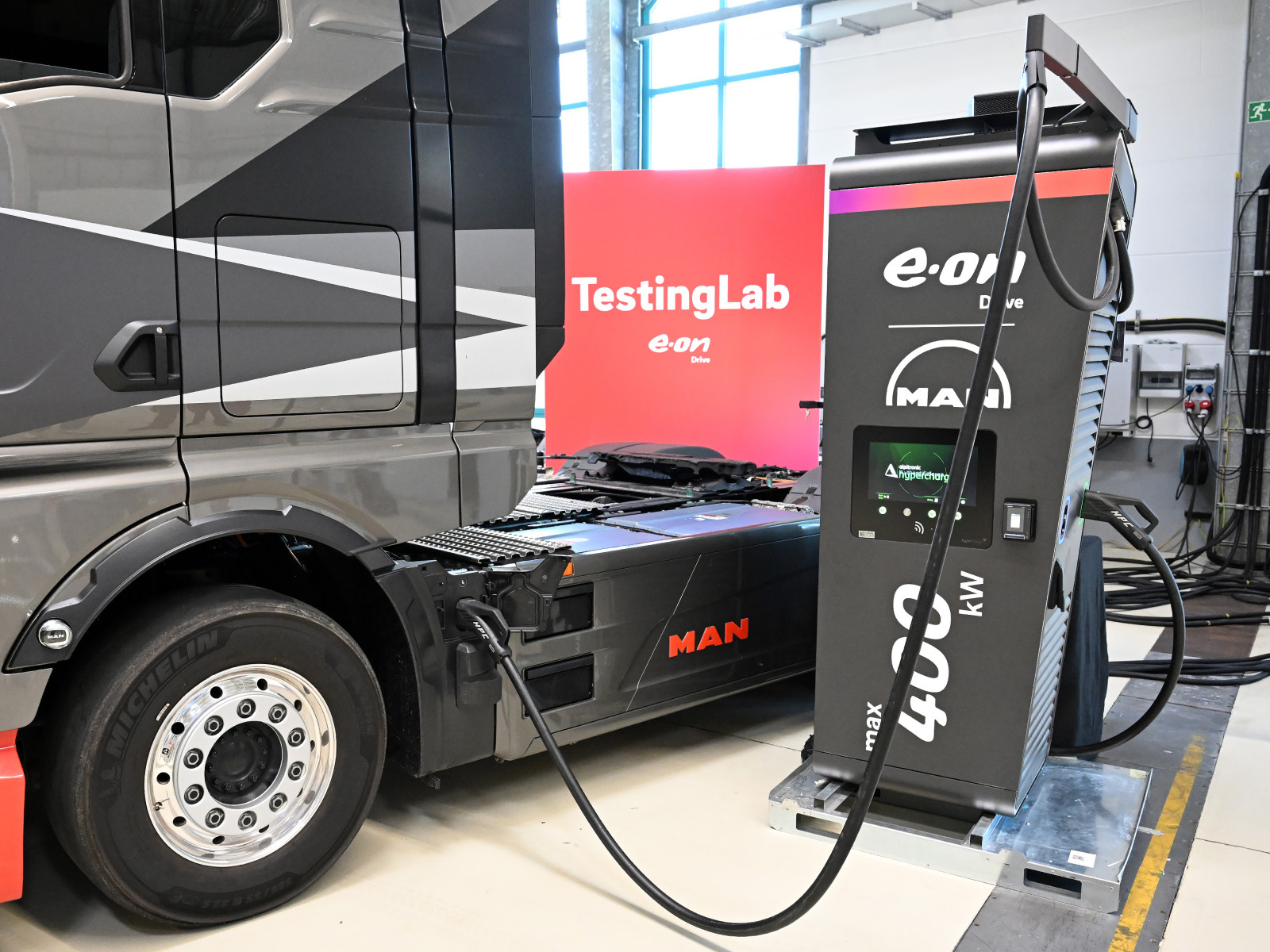
Germany’s Federal Ministry of Transport has released a draft of its Masterplan Charging Infrastructure 2030, presenting a comprehensive strategy to expand and modernize the country’s electric vehicle charging network. The plan, which also covers charging solutions for heavy-duty vehicles, is now open for stakeholder consultation before being finalized.
Federal Transport Minister Patrick Schnieder said the new framework aims to accelerate deployment, reduce regulatory barriers, and enhance user convenience. “The Masterplan Charging Infrastructure 2030 is our new roadmap to ensure that everyone who wants to charge can charge,” Schnieder said, emphasizing that cooperation among government bodies, businesses, and citizens will be crucial to achieving these targets.
See also: Hamburg Votes to Accelerate Climate Neutrality to 2040, Paving Way for Combustion Engine Phase-Out
The Masterplan proposes around 40 measures across five focus areas — stimulating investment, simplifying implementation, promoting competition and price transparency, improving grid integration, and fostering innovation. Compared with earlier versions, the new approach shifts away from direct subsidies toward creating market-friendly conditions such as faster approval processes, digitalized grid access, and targeted support for innovation.
Residential and depot charging are key priorities. From early 2026, new funding will support the installation of charging points in multi-family housing and the modernization of electrical systems. Similar schemes for logistics depots and bus stations are under review pending budget approval. The government also reaffirmed its plan to build a nationwide fast-charging network for electric trucks along motorways, equipping around 350 rest areas with high-power chargers. A long-term motorway charging concept, covering all vehicle categories, is scheduled for release in 2026.
See also: Germany Plans €3 Billion Electric Car Subsidy for Low- and Middle-Income Households
Regulatory reform forms another pillar of the strategy. The ministry plans to revise the Building Electromobility Infrastructure Act (GEIG) and adapt zoning laws to simplify site development. Data obligations for charging operators will be streamlined to align with EU rules under the Alternative Fuels Infrastructure Regulation (AFIR) and Germany’s “Mobilithek” data platform.
To improve transparency and user experience, the plan proposes a central data hub displaying real-time charging prices across operators, aiming to make charging as straightforward as refuelling. The government also plans to advocate for clearer EU-wide standards on fair and comparable tariffs.
See also: Merz Pushes Back Against 2035 EU Ban on Combustion Engines
Grid connection remains a major challenge. The plan calls for nationwide digitalisation of grid connection procedures, particularly for high-demand sites, including online portals and faster response times to enhance planning and investment certainty. Bidirectional charging will receive additional funding for pilot projects in homes and logistics hubs, while new tax rules are being prepared to simplify operations.
Other measures include extending the Electric Mobility Act (EmoG) beyond 2026 to preserve EV incentives, ensuring accessibility at public charging points, and supporting reservation options for heavy-duty vehicles. The ministry also announced an anti-cable theft initiative with the Interior Ministry to address rising incidents of equipment theft and reduce maintenance costs.
See also: Germany Plans to Extend Electric Vehicle Tax Exemption Until 2035
Looking ahead, the government plans to support trials of battery-swapping systems for electric trucks, with a new DIN standard for interoperable battery modules expected by the end of 2025. The initiative could lay the groundwork for industrial-scale pilot projects and potential EU-wide adoption, reinforcing Germany’s push toward a comprehensive and future-proof EV charging ecosystem.