
BMW is weighing the possibility of sourcing battery cells from China for its next-generation electric vehicles in the United States, after its partner Automotive Energy Supply Corporation (AESC) halted construction of a battery cell plant in South Carolina, according to people familiar with the matter.
Automotive News reported that AESC not only paused construction of the Florence facility but has also allegedly cancelled plans to supply BMW from the site. This leaves the Munich-based carmaker exploring alternative options, including importing cells from AESC’s Chinese factories, which could be cheaper in the short term despite potential tariffs.
An AESC spokesperson in the United States, Brad Grantham, declined to comment on the delivery plans for BMW, citing confidentiality, but said the company “had no new information on the project” and remained “determined to fulfil its commitments.” Those commitments include $1.6 billion in planned investment and the creation of about 1,600 jobs. Insiders told Automotive News that while the plant may still be completed, it could be repurposed for other uses rather than making the special round cells BMW has designed.
AESC previously said the pause was due to political and market uncertainty, as well as financing difficulties. Investors have become more cautious amid unclear US market developments for electric mobility, particularly under the Trump administration’s policies. Tariff uncertainty between Washington and Beijing has also dampened enthusiasm for large-scale capital commitments.
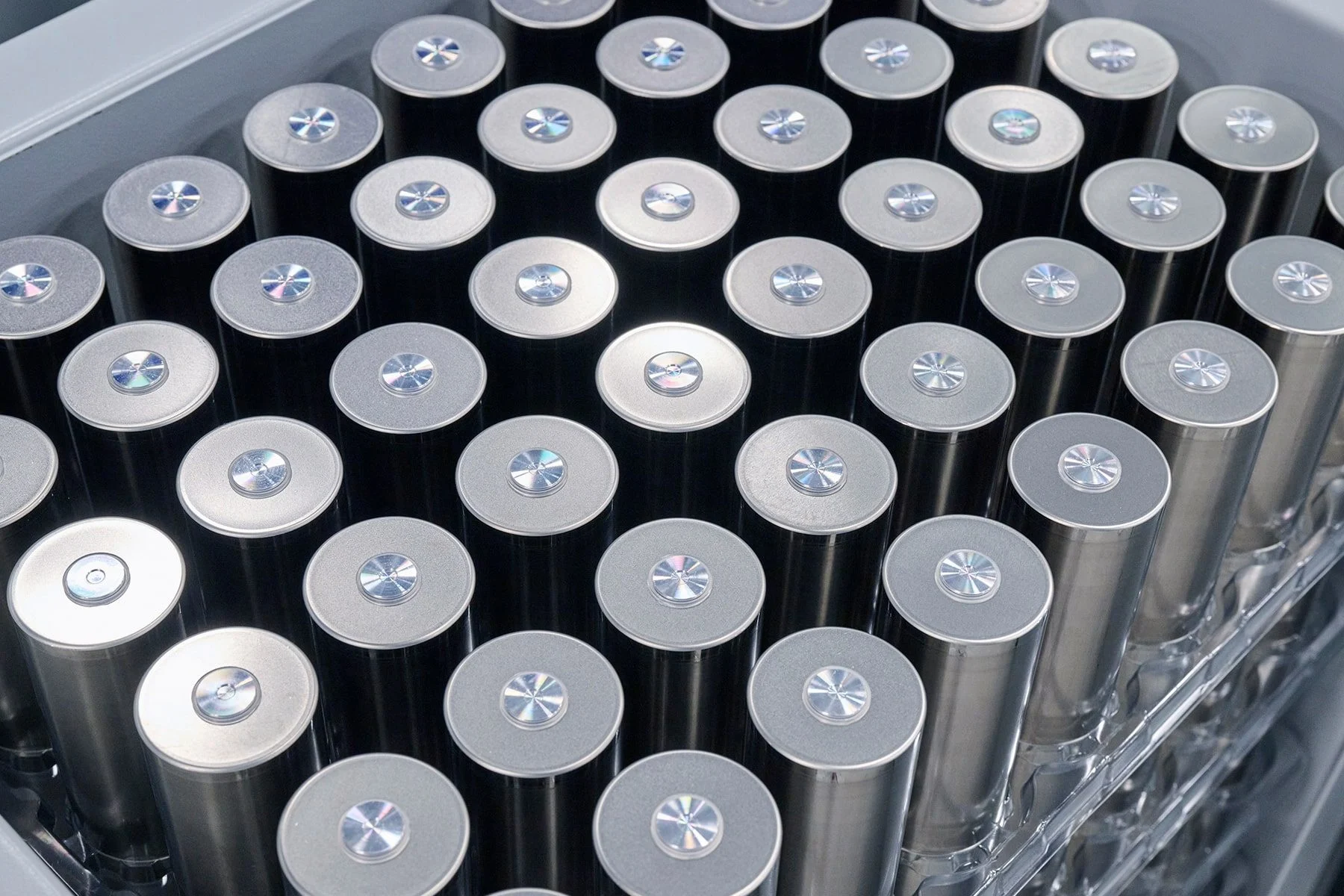
BMW is converting its Greer/Spartanburg plant in North Carolina for production of EVs on its ‘Neue Klasse’ platform and has built a nearby battery assembly facility in Woodruff. The company currently produces large SUVs such as the X5, X6 and X7 in the US—models offered only as plug-in hybrids—but has yet to confirm which ‘Neue Klasse’ model will be made there. The new platform will use sixth-generation 800-volt round cells, 46 millimetres in diameter and 120 millimetres high, promising higher energy density for longer range and shorter charging times.
Stephanie Brinley, analyst at S&P Global Mobility, warned that even if BMW sticks with the same cell chemistry, “validation and integration work may need to be revisited.” Conrad Layson, lead analyst for alternative powertrains at AutoForecast Solutions, said such testing “could take up to 18 months,” potentially affecting BMW’s rollout schedule.
Imports from China may be a stopgap until a US-based supply chain is secured, analysts said. However, from 2026, lithium-ion batteries made in China could face tariffs of up to 82%, adding to BMW’s long-term cost and planning challenges.