
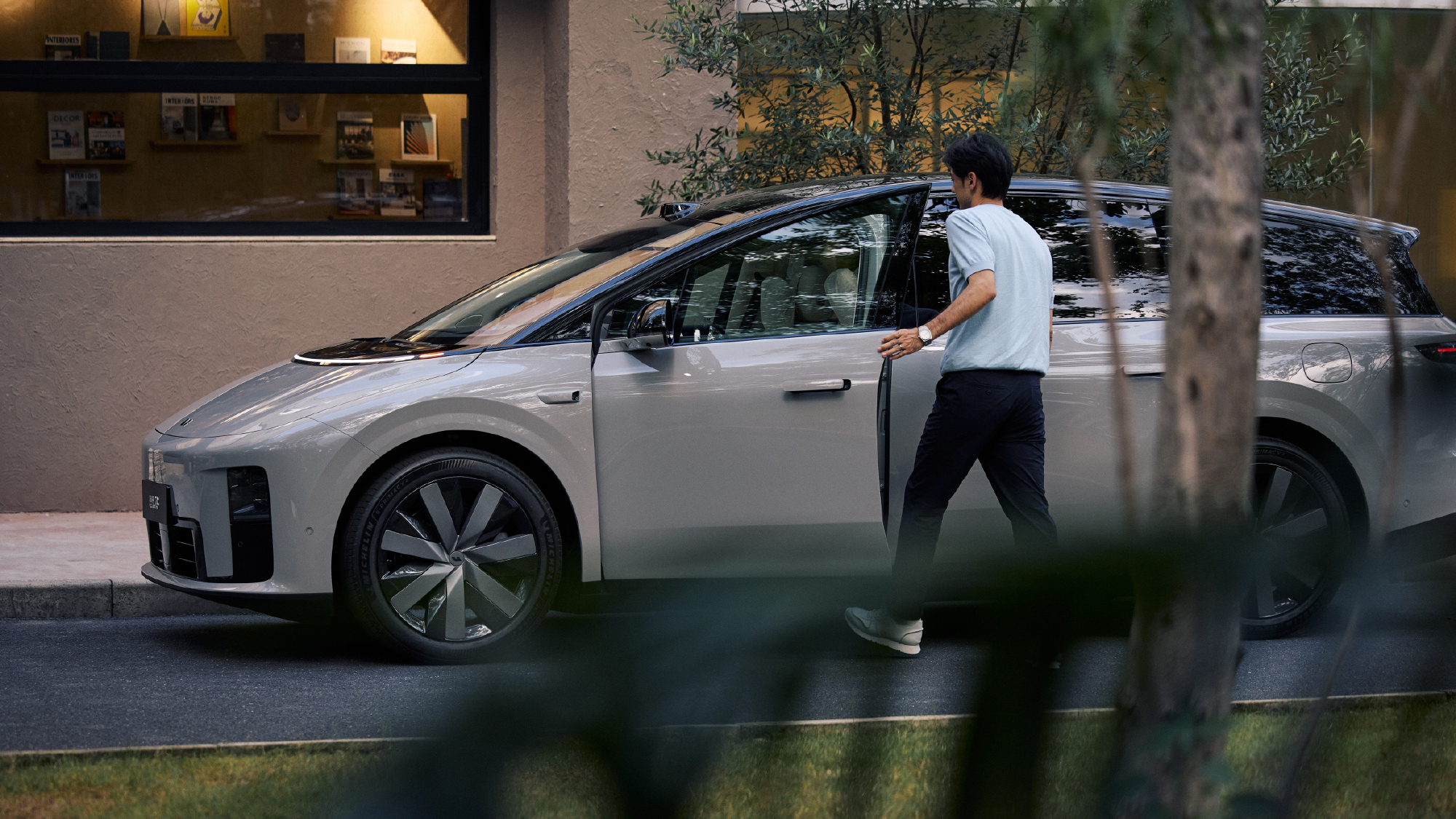
Chinese automaker Li Auto has opened presales for its first fully electric SUV, the i8, ahead of its official market launch on July 29. Priced between 350,000 and 400,000 yuan (approximately €41,670 to €47,600), the six-seat crossover marks Li Auto’s second battery-electric vehicle after the Li Mega.
Customers in China can reserve the i8 with a refundable deposit of 5,000 yuan (around €600). The vehicle will be displayed at dealerships and available for test drives starting July 30. Deliveries are expected to begin in August, with the company aiming to boost interest after underwhelming demand for its first EV offering.
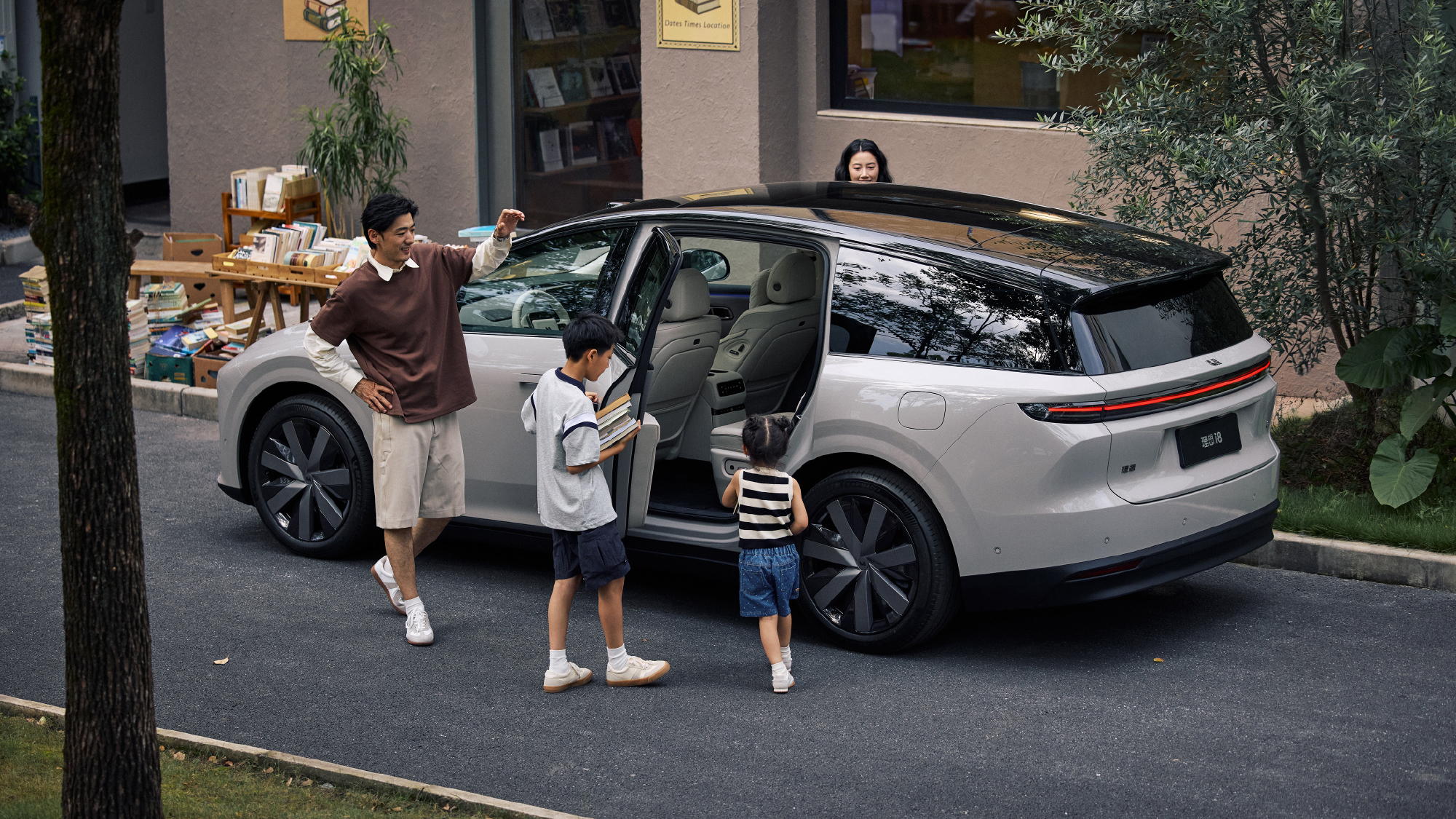
The i8 features a dual-motor all-wheel-drive system producing a combined 400 kW, enabling a top speed of 180 kph. Two battery pack options are available: 90.1 kWh and 97.8 kWh. The larger pack supports 5C fast charging, capable of adding 500 km of range in just 10 minutes. Energy consumption is rated between 14.6 and 14.8 kWh per 100 km, and total range reaches up to 720 km.
In terms of dimensions, the i8 measures 5 meters long with a 3.05-meter wheelbase, slightly exceeding the Tesla Model X in length. With a drag coefficient of 0.218 Cd, the i8 is also more aerodynamic than the Tesla Model Y (0.220 Cd). The SUV rides on a dual-chamber air suspension system as standard.
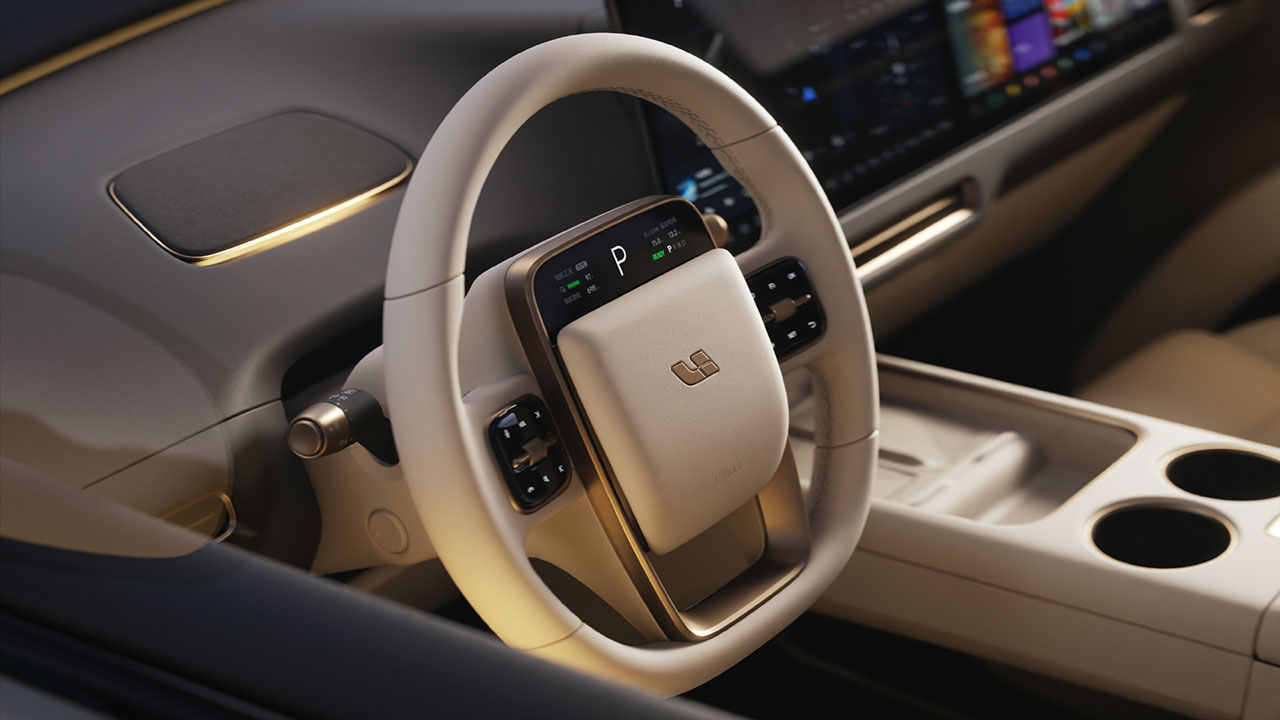
Interior highlights include a white steering wheel, ambient lighting, and enhanced comfort features such as 3-cm seat cushioning and headrest pillows for front and second-row passengers. The second-row right seat can recline to 145 degrees with an extended leg rest, while the third row offers 87.5 cm of legroom—more than that of Li Auto’s L9 EREV.
The launch of the i8 comes after delays in the company’s electric vehicle roadmap. Li Auto originally planned to introduce its second EV before the end of 2024. However, slower-than-expected sales of the Li Mega and infrastructure limitations led to a revised timeline. The company cited the need for a dedicated high-power charging (HPC) network and space constraints at its showrooms as key factors behind the delay.