
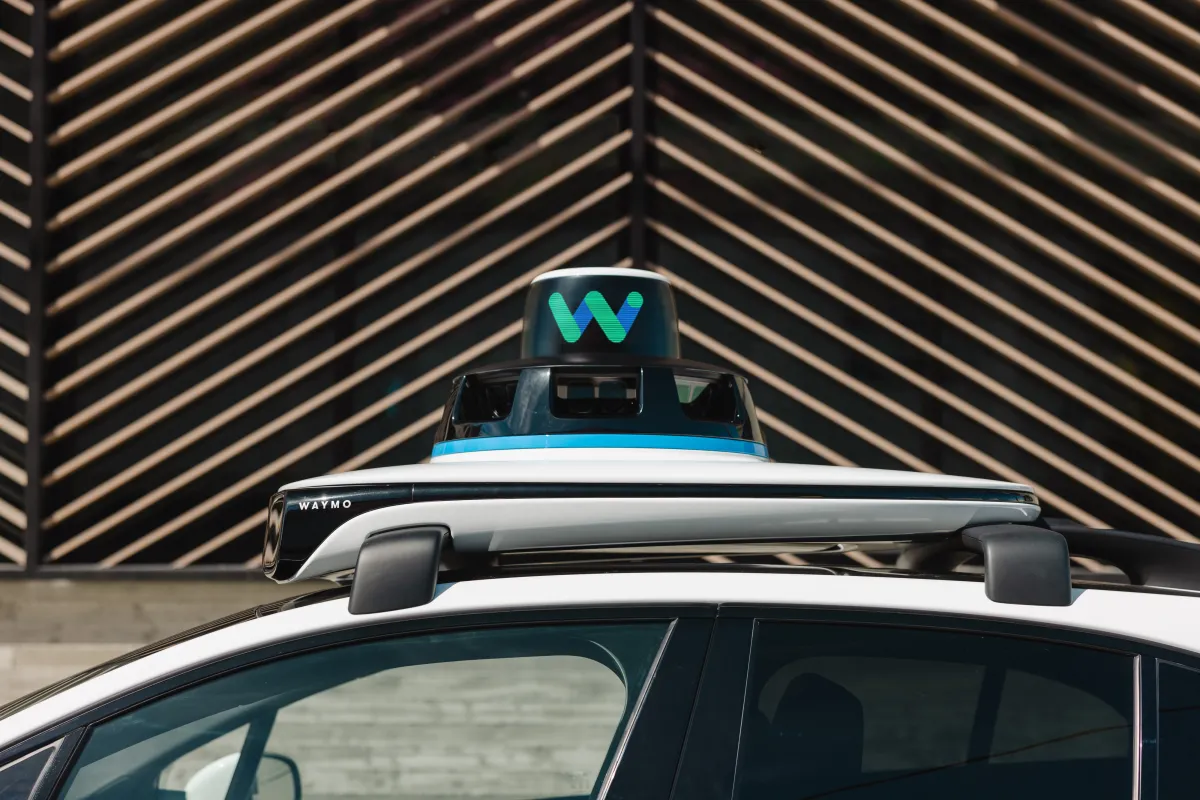
Waymo, Alphabet Inc’s self-driving technology unit, said its autonomous vehicles have crossed 100 million miles driven without a human behind the wheel, marking a major milestone as the company accelerates its robotaxi deployment in U.S. cities.
The company, which operates a fleet of around 1,500 vehicles, doubled its fully autonomous mileage in just six months. Waymo’s robotaxis are now active in cities including San Francisco, Los Angeles, Phoenix, Austin, and Atlanta. According to Waymo’s chief product officer, the milestone reflects “years of methodical progress now accelerating into rapid, responsible scaling.”
See also: Waymo Launches Teen Accounts in Phoenix to Expand Autonomous Ride Access
The rapid growth in mileage comes as competition heats up in the autonomous driving sector. Tesla recently began limited trials of its own robotaxi service using Model Y SUVs in Austin, Texas, and CEO Elon Musk has said he plans to expand the service to several U.S. cities by the end of 2025.
Analysts say Waymo’s cumulative driving experience gives it an edge. “The cumulative experience of those hundred million miles is important,” said Gil Luria, analyst at D.A. Davidson. Waymo had logged about 71 million miles as of March, up from 50 million at the end of 2024 and 25 million through July last year. Its first million miles were recorded in early 2023.
See also: Waymo Begins Data Collection in Philadelphia and New York as Part of U.S. Expansion Strategy
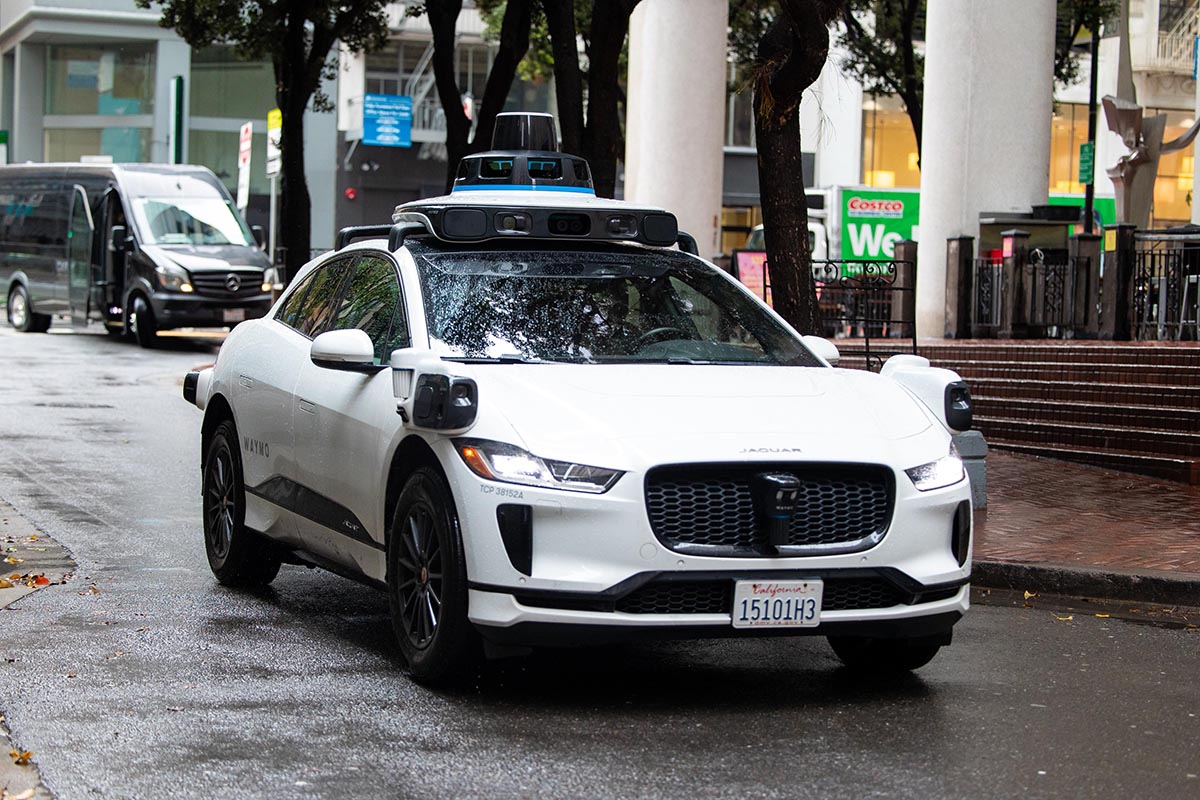
The self-driving sector has faced significant hurdles in recent years, including high operating costs, regulatory scrutiny, and safety concerns. General Motors’ Cruise unit paused operations following a crash, and other companies have faced federal investigations. Amazon’s Zoox continues testing vehicles without manual controls, with plans to begin commercial service in Las Vegas later this year.
Waymo, spun out of Google’s self-driving car project in 2016, said it aims to launch a fully autonomous ride-hailing service in Washington, D.C. in 2025 and is preparing to operate in New York City, pending regulatory approval. The company now covers more than 2 million miles per week autonomously and has completed over 10 million trips, doubling its figure from the end of 2024.