
A new round of highway range testing conducted by Consumer Reports shows that many electric vehicles (EVs) are now delivering driving ranges closer to, or even exceeding, their official Environmental Protection Agency (EPA) estimates—though inconsistencies remain among models.
The publication, which has tested 30 EVs by driving them from 100% charge to full battery depletion at highway speeds, noted improved consistency in real-world range performance. “Most vehicles that fell short only missed their EPA estimates by a handful of miles,” Consumer Reports said.
See also: Global EV Sales Surge Past 20%, Set to Top 40% of Market by 2030 — IEA
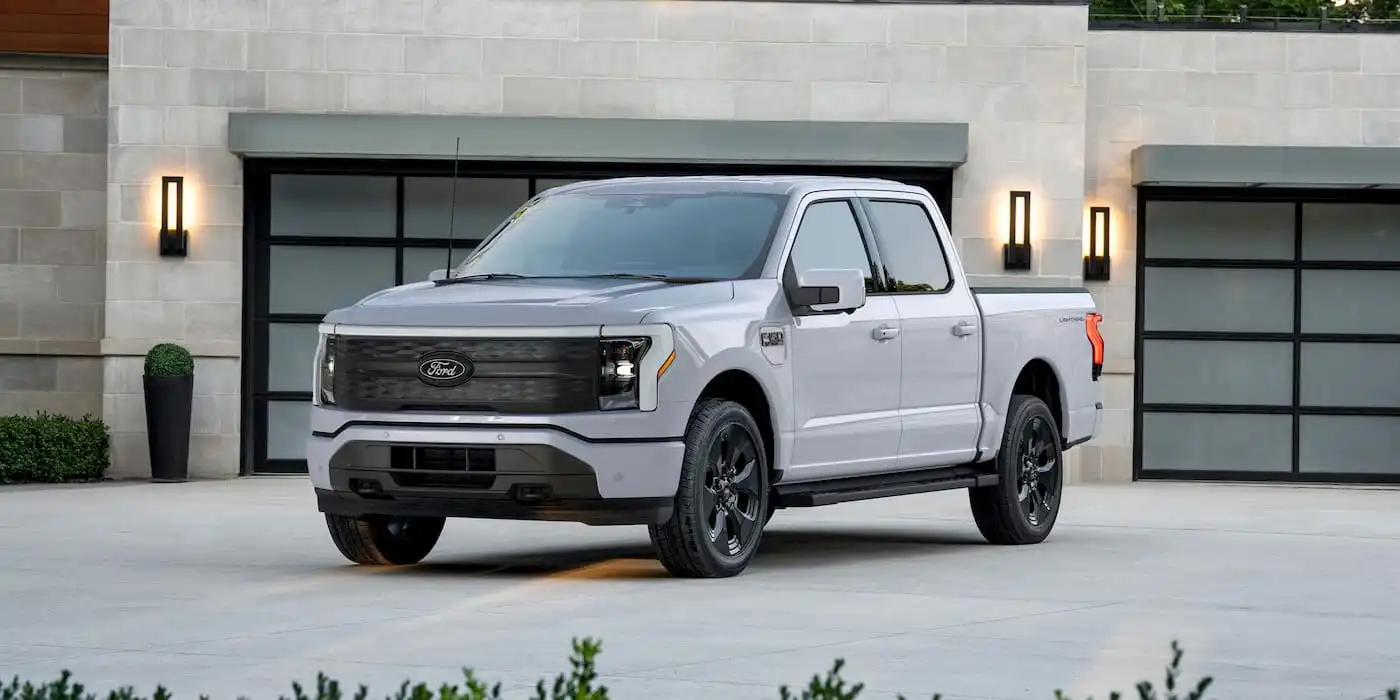
One major outlier was Ford Motor’s F-150 Lightning, which ran out of battery after 270 miles—50 miles short of its 320-mile EPA rating. The electric pickup, known for its size and weight, has previously received criticism for underperforming on long-distance drives. “Its battery ran out after just 270 miles—a 50-mile difference from the EPA estimate,” the report noted.
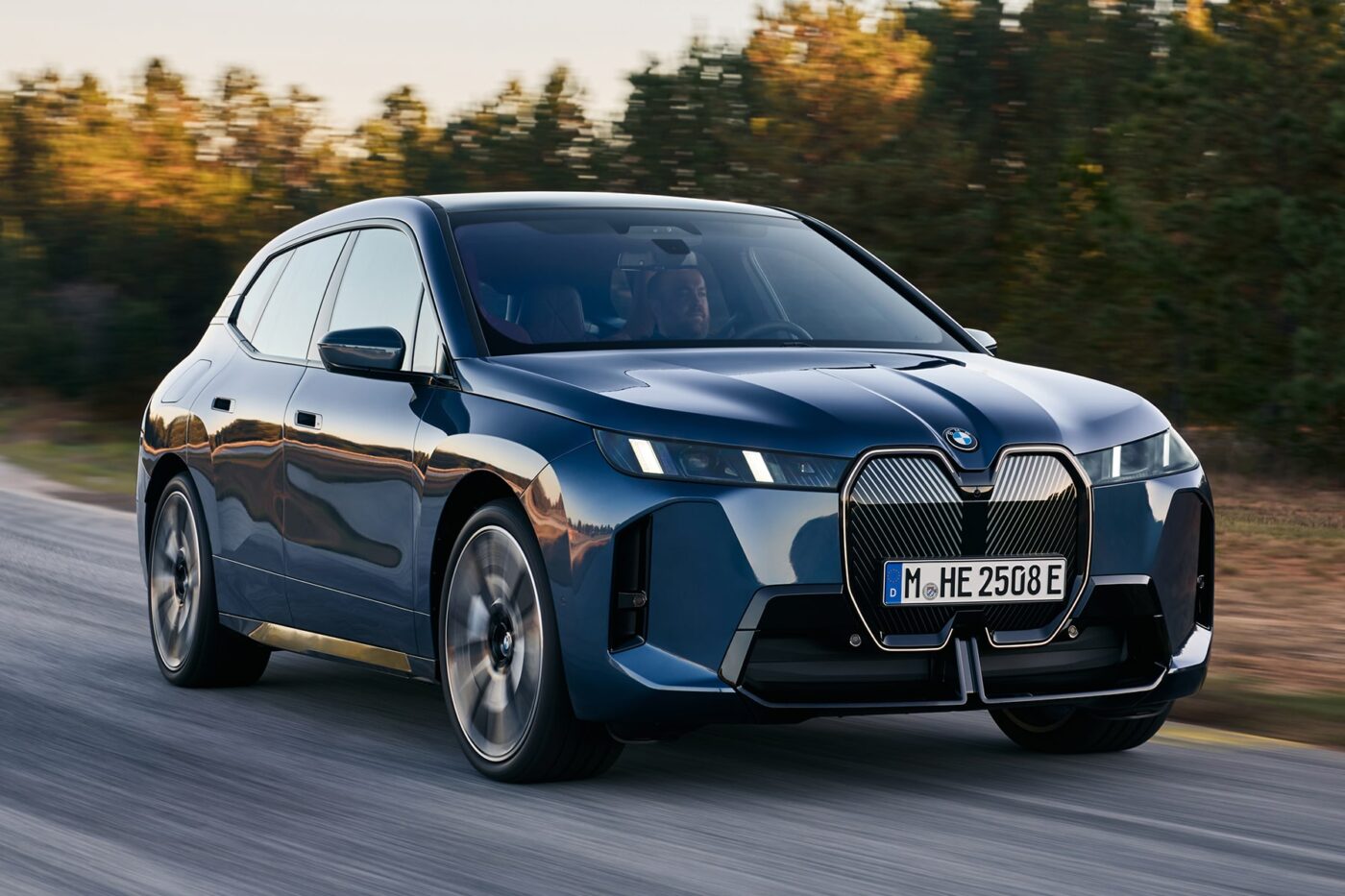
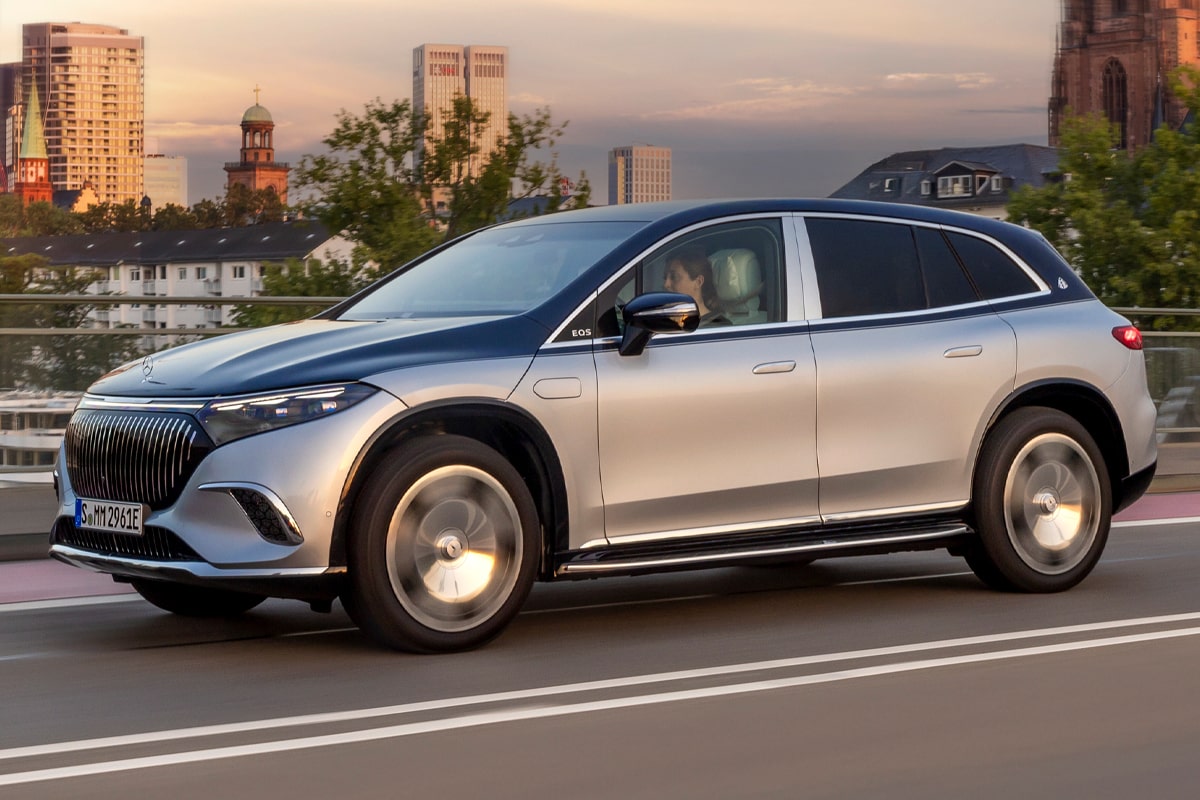
In contrast, several EVs significantly exceeded their stated range. BMW’s iX SUV achieved 370 miles in the test, far above its 309-mile EPA rating. Mercedes-Benz’s EQS 580 sedan topped the results with 380 miles—nine more than its official figure. The BMW i4 and i5 models also outperformed expectations, delivering 51 and 45 miles more than estimated, respectively.
See also: U.S. EV Demand Holds Steady, but Regional and Demographic Gaps Persist – J.D. Power
The Hyundai Ioniq 5 N, a high-performance crossover, exceeded its EPA figure by 15 miles. However, the Lucid Air Touring, typically among the most efficient EVs in the U.S. market, fell short by 33 miles.
The tests reflect a growing reliability in highway range delivery, though variability due to vehicle design, driving conditions, and weight remains. Consumer Reports emphasized that its evaluations are designed to test the limits of EV range under real-world conditions, often concluding with the vehicles being towed once fully depleted.