
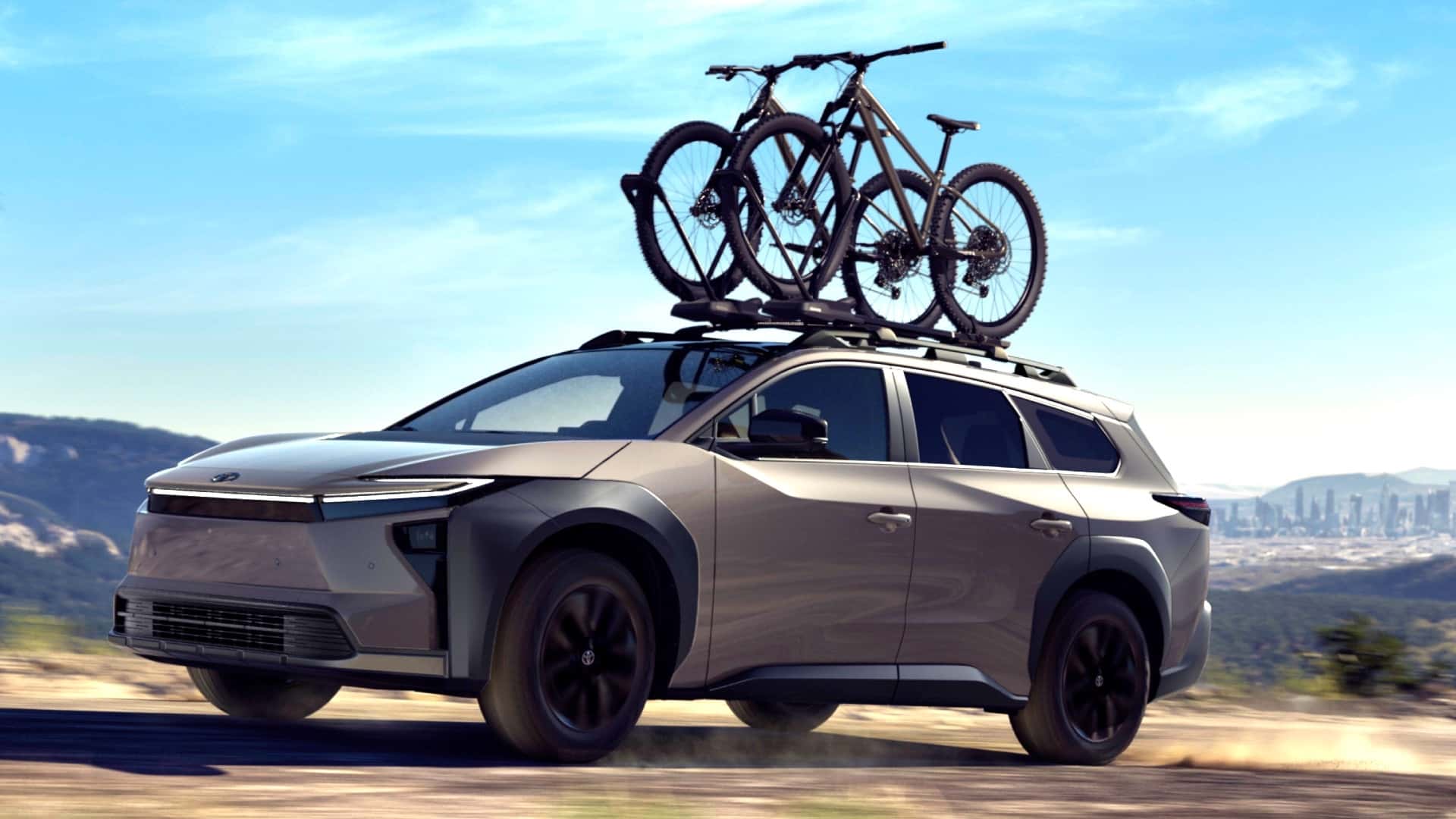
Toyota is ramping up its electric vehicle strategy with the debut of a third model this week—the off-road-focused 2026 bZ Woodland—as part of a broader push to expand its battery-powered lineup, long criticized for lagging behind rivals.
The bZ Woodland joins the upgraded 2026 bZ and a sportier C-HR in a trio of new electric offerings. Mechanically based on the 2026 bZ and closely related to Subaru’s Trailseeker EV, the bZ Woodland brings dual-motor all-wheel drive, trail-ready upgrades, and 375 horsepower to Toyota’s electric SUV family.
See also: Toyota Unveils 2026 bZ Electric SUV with Extended Range, Faster Charging, and Enhanced Performance
“We’re finally seeing Toyota make good on its promise to take electrification seriously,” said an industry analyst familiar with the automaker’s product roadmap. “With models like the bZ Woodland, they’re leveraging their off-road heritage in an EV context.”
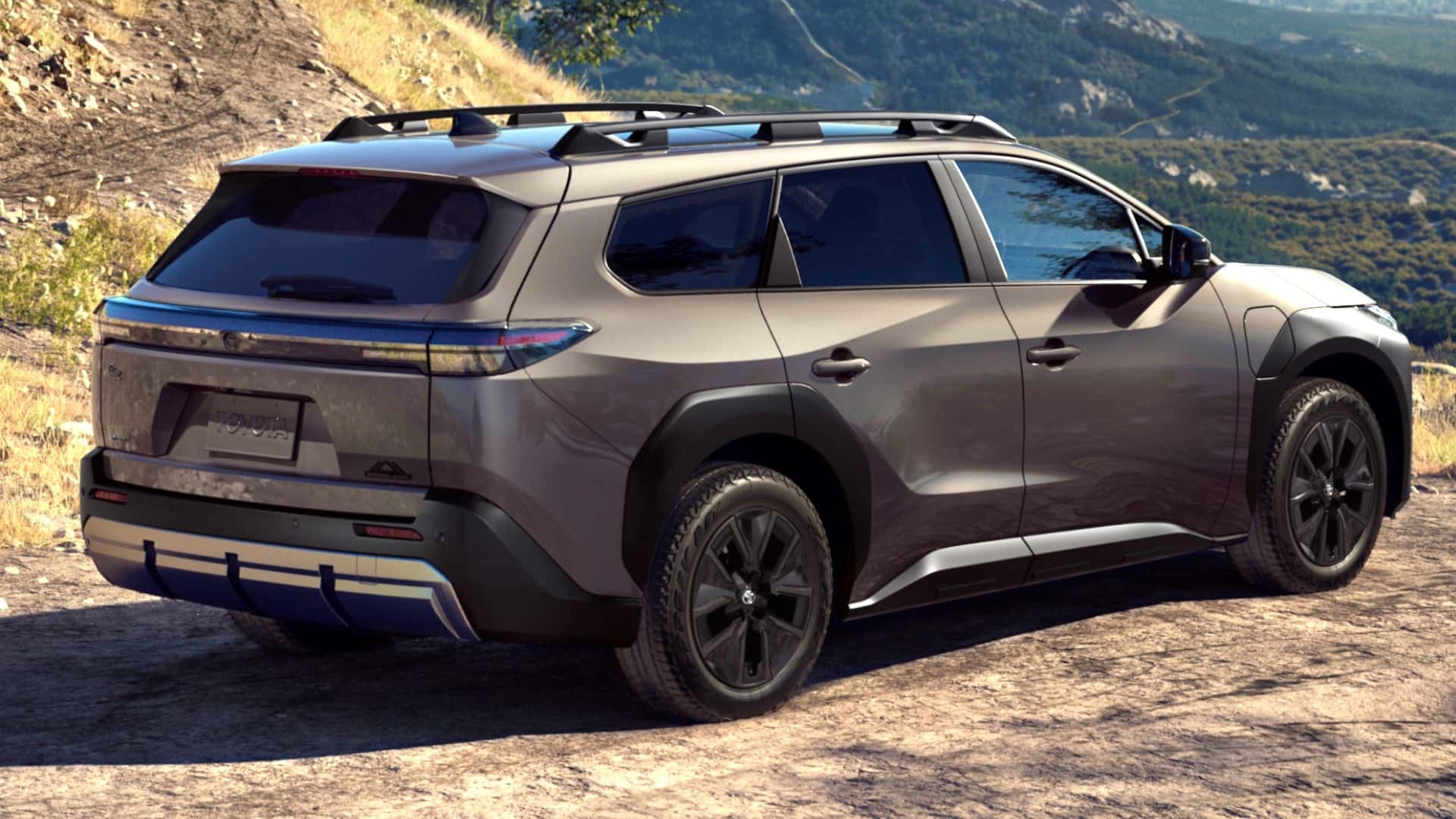
The new model features enhanced off-road capabilities, including 8.3 inches of ground clearance—an inch more than the standard bZ—along with towing capacity rated at 3,500 pounds. The vehicle also incorporates Toyota’s X-Mode and Grip Control technology for improved traction on rough terrain, features commonly associated with traditional 4WD systems.
See also: Toyota Unveils 2026 All-Electric C-HR BEV for North America with 290-Mile Range and AWD
Though Toyota did not disclose acceleration times, the bZ Woodland’s dual-motor system—using silicon carbide semiconductors—is expected to mirror the Trailseeker EV’s 0–60 mph performance of around 4.4 seconds. At six inches longer than the standard bZ, the Woodland version offers 30 cubic feet of cargo space.
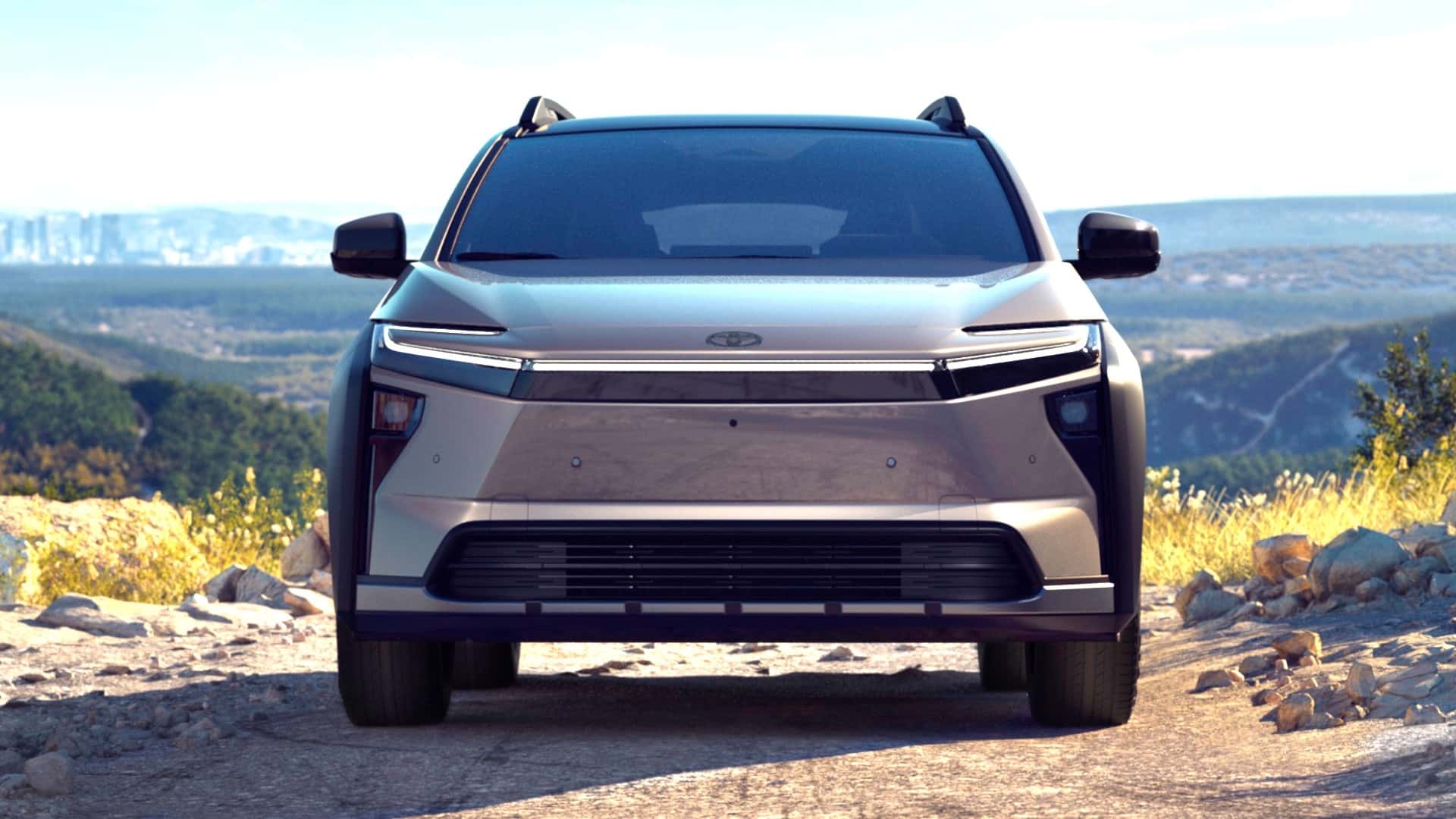
Design changes include black body cladding, skid plates, roof rails, and unique 18-inch aluminum wheels with optional all-terrain tires. Estimated range stands at 260 miles, slightly below the front-wheel-drive bZ’s 314-mile estimate, due to added weight and off-road hardware.
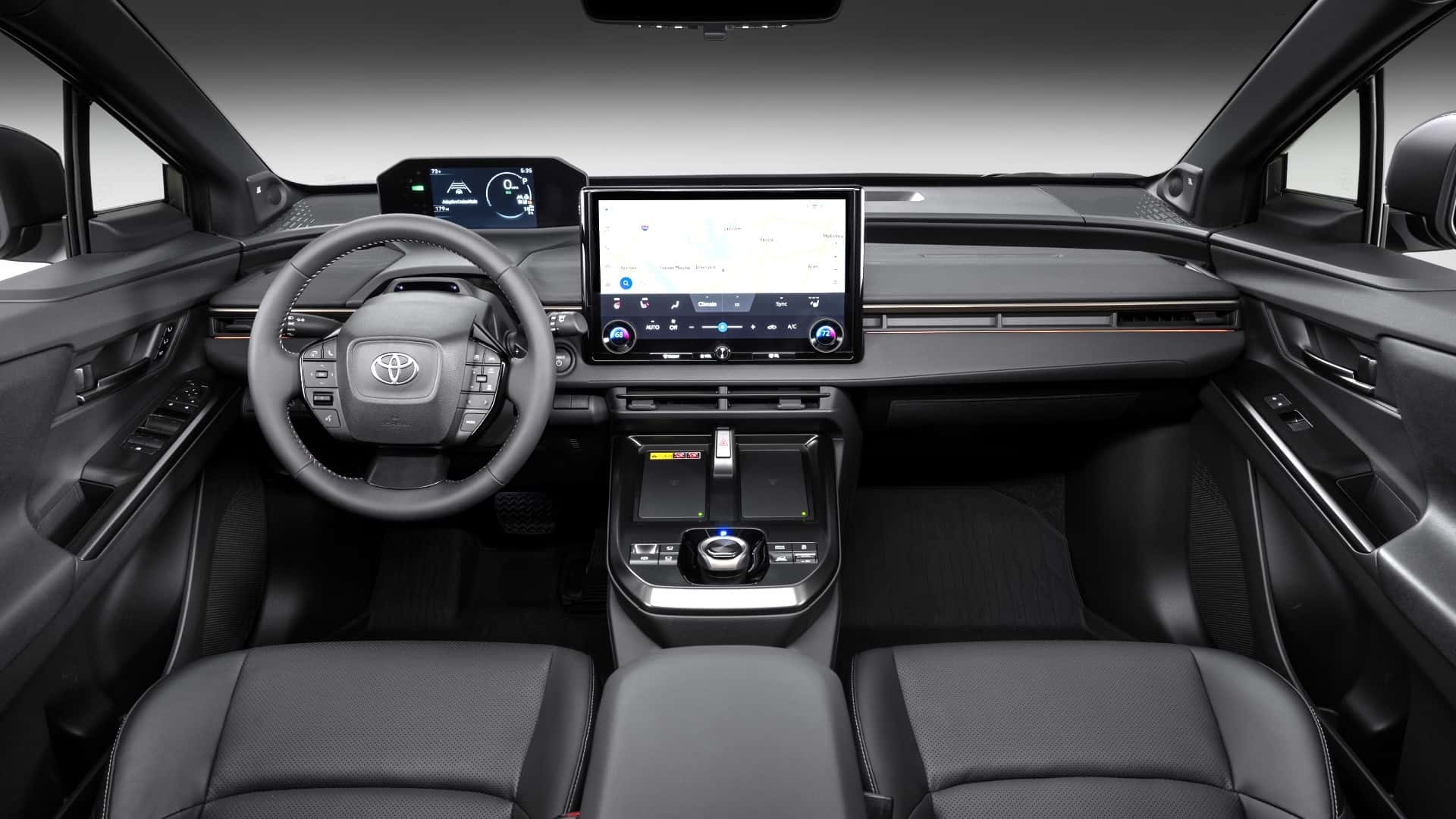
The bZ Woodland also debuts Toyota’s integration of the Tesla-developed NACS charging port, along with features like plug and charge, battery preconditioning, and built-in route planning. Maximum charging speed is 150 kW, allowing a 10–80% top-up in 30 minutes.
The 2026 bZ will be available to order in the U.S. in the second half of this year, while the C-HR and bZ Woodland are expected to go on sale early next year. Pricing details are set to be announced closer to launch.